Eggs play such a big role in our daily routines that entire industries are dedicated to mass-producing them. However, in recent years, concerns have been raised about the health effects of consuming eggs from large-scale producers, especially as their practices come under scrutiny.
While opinions are still mixed, there’s a noticeable shift toward raising chickens at home and producing your own eggs in the backyard.
But the question still remains: are Eggs From Backyard Chickens Healthier? We will break down whether backyard chicken eggs are healthier than store-bought eggs.

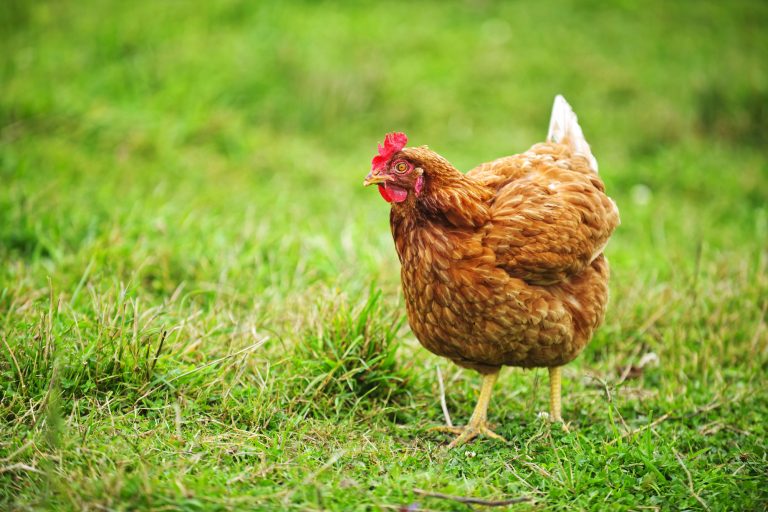
“Backyard chickens” are generally defined as chickens grown in the backyard, able to roam with an ample amount of space, preferably exposed to pasture, and not meant for mass production of eggs or meat. Eggs from backyard chickens are generally healthier compared according to a 2007 Mother Earth News study.
Backyard chicken eggs contain lower levels of cholesterol and fat. They also contain higher levels of Vitamin A, D, E, omega-3 fatty acids, and beta carotene.
The study also revealed that backyard chicken eggs have:
- 25% more
Vitamin E - 75% more Beta Carotene
- 20 times more Omega-3 fatty acids
- 1/2 Cholesterol
- Significantly lesser amounts of saturated fat
The study stipulated that one possible reason for the difference is the diet of backyard chickens. If the opportunity presents itself, chickens will consume a wide variety of food like grains, insects, flowers, and grass. Such a diet is rich in omega-3s and beta carotene while also being low in saturated fat and cholesterol.
Is It Safe To Eat Eggs From Backyard Chickens?

Backyard chicken eggs are generally safe to eat. However, it’s in the handling that potential issues may occur. If an egg is improperly handled, it can be a carrier of diseases. In most cases, Salmonella infection is your biggest concern.
There are different types of Salmonella, and most of them grow in the chicken’s intestinal tract. Humans can get salmonella infection through direct or indirect contact with feces from a chicken with Salmonella. The biggest concern is when the infected chicken feces may come in contact with eggs, which may cause salmonella infection when consumed.
You might be thinking, “I’ll just clean the eggs, and it should be okay.” Well, the answer might be trickier than that.
When chickens lay eggs, the mother wraps the eggs with a gelatinous layer called “bloom.” This layer dries up eventually. The bloom covers the egg pores and prevents bacteria from entering the egg. When you wash the chicken egg, it removes this layer, and that means you could be exposing the eggs to harmful microorganisms.
On the other hand, washing the eggs has advantages, which is why it’s an industry standard. The thing with the bloom is it stops protecting the egg once the shell is cracked.
If you prefer washing the eggs, you should use hot water over 90 degrees Fahrenheit. The hot water will cause the egg to expand, pushing the dirt and other foreign materials away from the pores of the shell. After washing the egg, you must dry it as soon as possible and store it in a refrigerator. It’s not advisable to leave the eggs at room temperature as it can degrade their quality by as much as one grade per 24 hours.
Whether you wash the eggs or not, the best defense is to cook the eggs thoroughly. Salmonella and other harmful microorganisms are unable to survive in high temperatures.
Are Yard Eggs Better For You?

Chickens with the sole purpose of mass-producing eggs are typically housed indoors and rarely get exposed to sunlight as a means of protecting them from diseases. Keep in mind that these chickens are living side-by-side, and that means if one is infected with a disease, it can quickly spread throughout the facility. Thus, keeping them indoors away from possible contaminants is a means of protecting the “investment.”
However, the downside is that it’s normal for chickens to be exposed to sunlight. Without it, it will affect biology in one way or another, and this may affect the quality of the eggs.
Another issue is the cramped spaces. It’s normal business practice for chickens to be packed together as much as possible as a way of saving space. More chickens per square foot mean more profit. The problem with this is that the chickens are living a sedentary lifestyle, and that may also affect the egg’s quality negatively. Keep in mind that it’s normal for chickens to roam around. That’s what they have been doing for thousands of years.
This article does not say that all chicken egg producers practice the conditions mentioned above; nevertheless, it’s still a common practice.
Yard chickens live a different life. Typically, they get to roam around and get their exercise. They are exposed to sunlight and outdoors. Their diet is close to what’s normal rather than being fed with foods with hormones to increase production. Ultimately, yard chickens are closer to what’s “normal,” and it’s safe to assume that yard eggs are safer.
Why Do Fresh Eggs Taste Different?

The answer is simple: fresh eggs haven’t had time to break down. Like any natural food, eggs begin to degrade over time. The longer they sit, the more their texture, flavor, and nutrients change.
Freshly laid eggs are at their peak in terms of taste and quality. As time passes, the proteins and fats inside the egg start to break down, and the egg loses moisture and freshness. Eventually, if left long enough, the egg spoils completely—just like any other perishable food.
So, the reason fresh eggs taste different (and usually better) is because they’ve undergone far less of that natural aging process. You’re getting them closer to their source—and it makes all the difference.