Raspberries are one of the most rewarding fruits to grow at home. Once established, a healthy patch can produce basket after basket of sweet, juicy berries year after year. While sunlight, watering, and pruning all play a role in keeping raspberry plants productive, what you plant nearby matters just as much.
Some plants make good neighbors and can help support healthy growth. Others can create problems by competing for nutrients, attracting unwanted pests, or carrying diseases that spread to raspberry canes. A poor planting choice can lead to weaker plants and smaller harvests.
If you want your raspberry patch to stay healthy and productive, it pays to know which plants should be kept at a distance. Here are some of the worst companions for raspberries and the reasons they don’t belong in the same growing space.
Tomatoes

While tomatoes and raspberries may look like they’d be a great pairing, they’re a terrible match in the garden.
Tomatoes are notorious for harboring fungal diseases like late blight, which can easily spread to raspberries. Once introduced, blight can quickly take hold in the soil and devastate both crops.
Potatoes
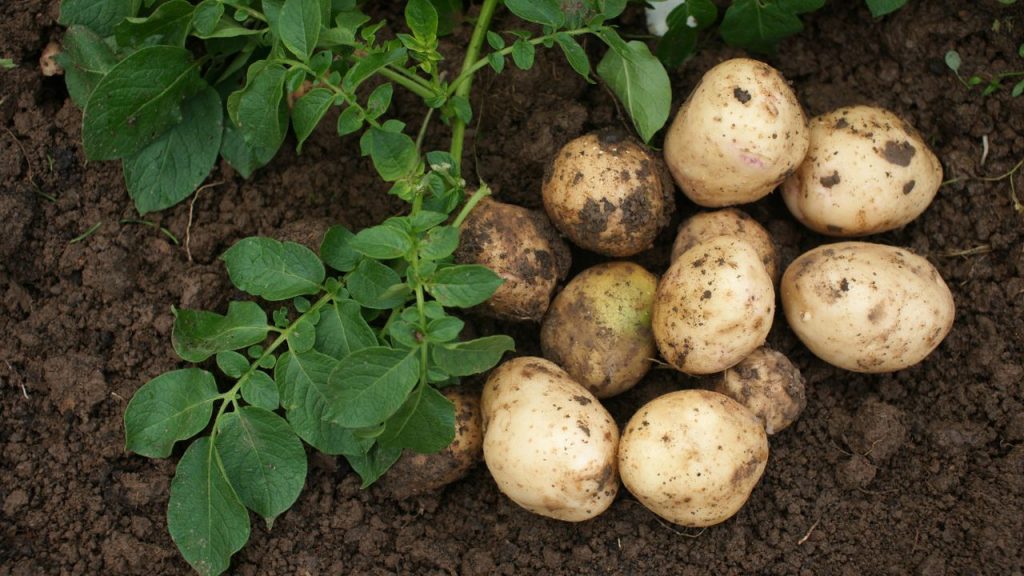
Potatoes share more with raspberries than just a spot in the vegetable patch—they’re also vulnerable to many of the same fungal diseases, especially verticillium wilt. Planting them near each other raises the risk of cross-contamination and creates a hotspot for disease to linger season after season.
Eggplants
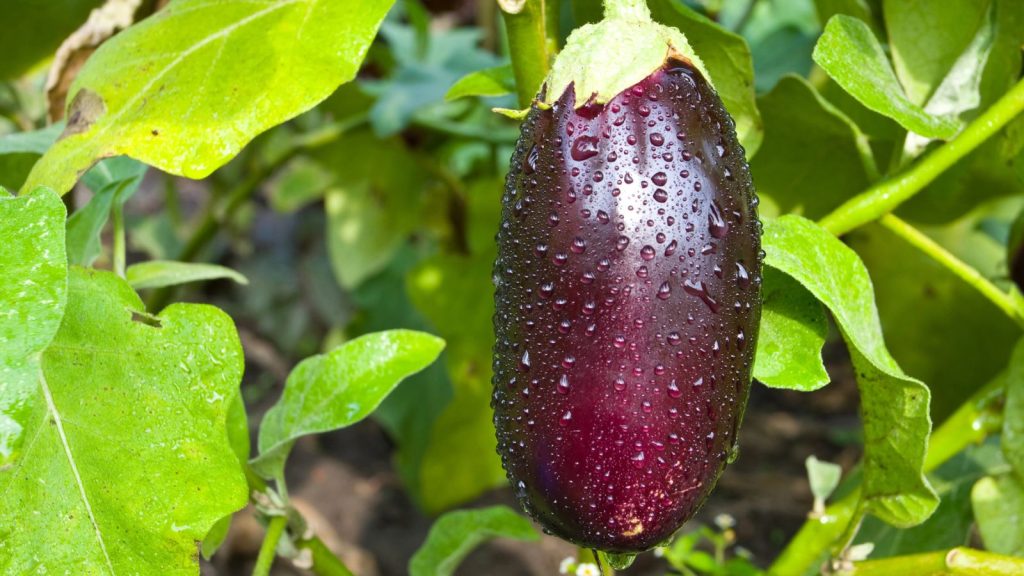
These nightshades carry their own set of problems. Like potatoes and tomatoes, eggplants are susceptible to verticillium wilt, a soil-borne fungus that affects raspberries, too. This disease doesn’t just slow growth—it can wipe out your raspberry crop entirely if the soil becomes infected.
Peppers
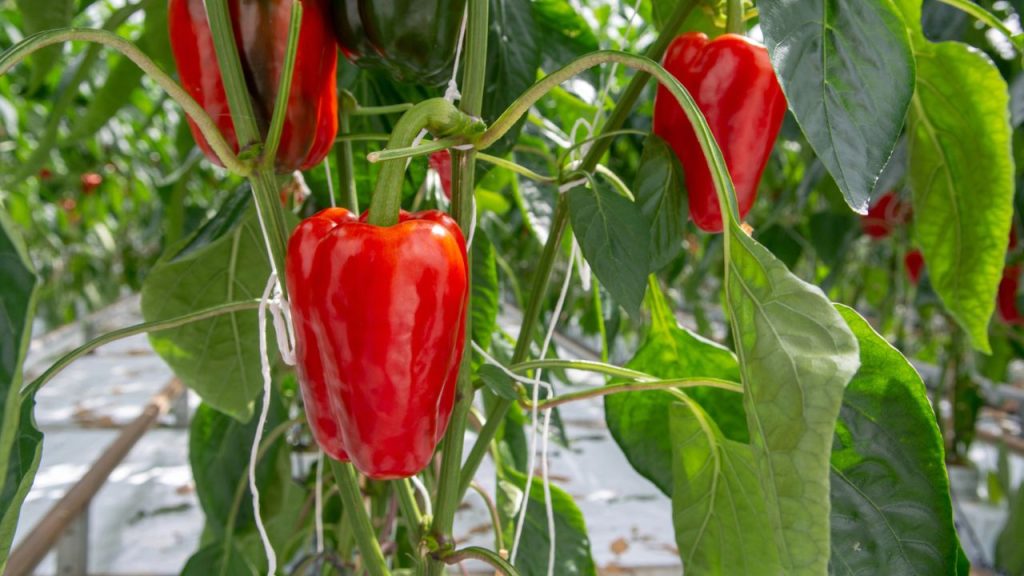
Peppers may seem harmless, but they attract many of the same pests and pathogens as raspberries. Growing them close together makes it easier for insects and diseases to travel from one plant to the other, increasing the chances of infestation or infection on both sides.
Black Walnuts

This tree is an enemy to many in the garden, including raspberries. Black walnuts release a chemical called juglone through their roots and fallen leaves. Juglone is toxic to many plants, including raspberries. If raspberries are grown within range of a black walnut’s root system, they may suffer stunted growth, yellowing leaves, or even die off entirely.
Strawberries
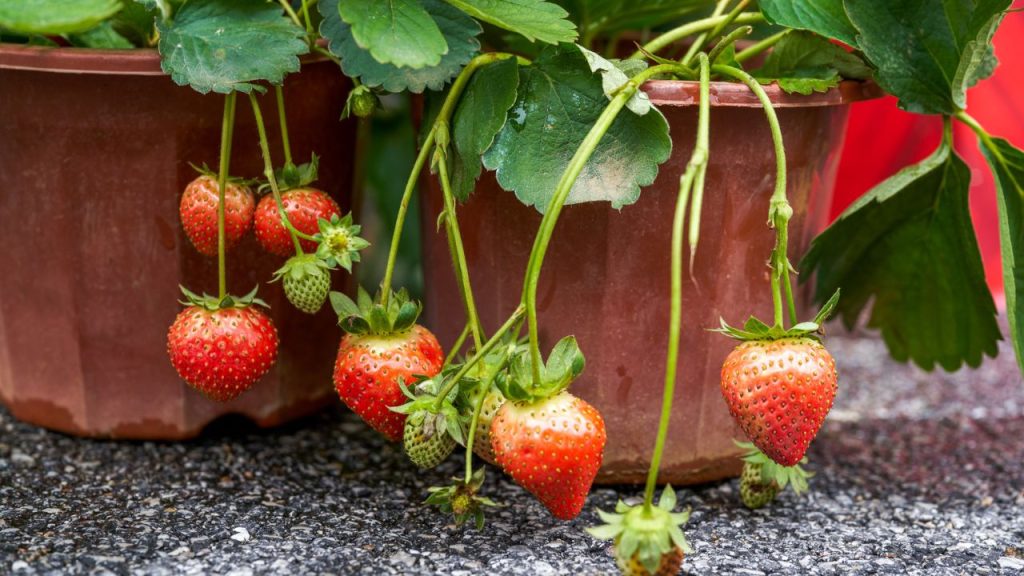
Although they seem like a natural match—both are sweet, red berries—strawberries are actually fierce competitors. They have shallow root systems that aggressively soak up nutrients and water, depriving raspberries.
Strawberries are also prone to fungal issues like verticillium wilt and powdery mildew, which can easily spread to raspberries in close quarters.
Mint
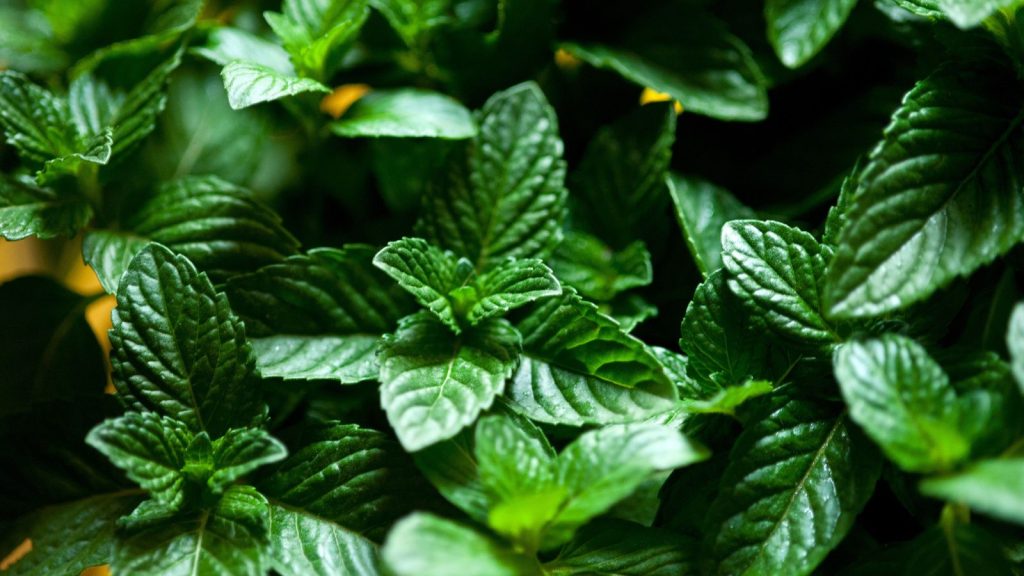
Mint has a reputation for being a strong natural insect repellent, and it can be useful in the garden if contained. Unfortunately, mint is incredibly invasive. It can quickly spread underground and entangle itself with raspberry roots, choking out your canes and stealing vital nutrients. If you’re tempted to use mint as a companion, grow it in a pot and keep it well away from your berry beds.
32 Colorful Perennials That Will Never Leave Your Garden Once Planted

If you want to brighten your garden, consider these 32 colorful varieties that will thrive and bring life to your outdoor area year after year.
32 Colorful Perennials That Will Never Leave Your Garden Once Planted
29 Deer Resistant Flowers with The Most Beautiful Blooms

If you’re looking for beautiful, deer-resistant flowers to add color and charm to your garden, here are 29 stunning options that deer will likely leave alone.
29 Deer Resistant Flowers with The Most Beautiful Blooms
20 Flowering Shrubs That Will Make Your Garden Look Like a Work of Art
If you’re looking to bring a gorgeous touch to your landscape, here are 20 flowering shrubs that will make your garden look like a work of art.
20 Flowering Shrubs That Will Make Your Garden Look Like a Work of Art
14 Native Flowers That Thrive in Dense Clay Soil
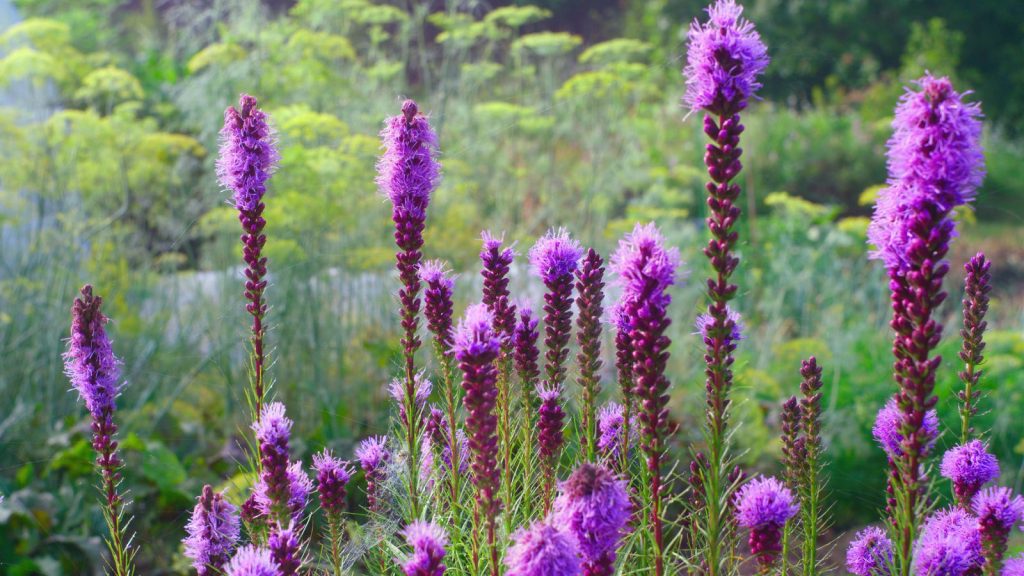
Whether you’re aiming for bursts of color, pollinator-friendly blooms, or hardy perennials that return year after year, these native plants will transform your clay-heavy garden into a thriving, beautiful space.