There was a time when keeping a home running meant knowing how to do a little bit of everything. Our grandmothers grew food, cooked from scratch, repaired clothing, preserved the harvest, and found ways to make the most of what they had. These weren’t special talents. They were everyday skills that helped families save money and become more self-reliant.
Life looks very different today. We have grocery stores, appliances, and convenience products that make many household tasks faster. Still, many of those old skills remain just as useful. They can help you waste less, spend less, and feel more capable in your own home.
Here are 12 homemaking skills our grandmothers relied on that are still worth learning.

Home Gardening
Growing food at home was once part of everyday life. A backyard garden supplied vegetables, herbs, and sometimes fruit that helped feed the family throughout the growing season.
Gardening also taught patience and planning. Knowing when to plant, water, and harvest meant there was always something fresh to bring into the kitchen. Even a small garden today can lower grocery bills and provide better-tasting produce.
Related: 14 Monthly Home Maintenance Tasks Every Homeowner Should Do
Baking Bread From Scratch
Long before grocery stores offered endless choices, homemade bread was a regular part of the weekly routine.
Making bread requires only a handful of basic ingredients, yet it fills a home with the kind of smell that’s hard to beat. Once you learn the process, it becomes surprisingly simple, and you’ll always know how to make a loaf whenever you need one.
Canning and Preserving Food
When gardens produced more than a family could eat, nothing went to waste. Fruits, vegetables, sauces, and jams were canned so they could be enjoyed months later.
Rows of filled jars on pantry shelves meant there was food ready for the seasons ahead. Canning still makes sense for anyone who gardens, shops farmers markets, or simply wants to make food last longer.
Handwashing Clothes
Before washing machines became common, many clothes were washed by hand. Delicate fabrics and special garments received extra care to help them last.
While few people wash every load this way anymore, knowing how to handwash sweaters, lingerie, or other delicate items can help keep them in good condition for years.
Related: 13 Forgotten Home Skills That Deserve More Appreciation
Sewing and Mending
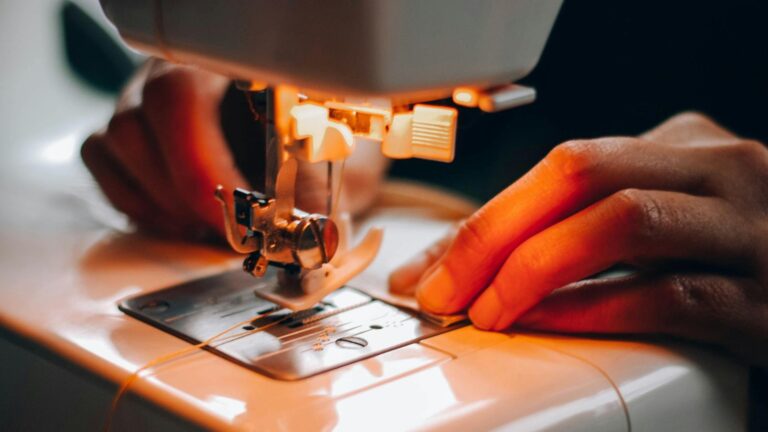
A missing button or small tear wasn’t a reason to throw clothing away. It was something that could be fixed in a few minutes.
Basic sewing skills helped families make clothes last much longer. Today, repairing a seam, replacing a zipper, or hemming a pair of pants can still save a surprising amount of money.
Cooking From Scratch
Most meals were made with simple ingredients already in the pantry. Soups simmered on the stove, sauces were mixed by hand, and family recipes were passed from one generation to the next.
Cooking this way often costs less than buying prepared meals, and it gives you complete control over the ingredients you serve.
Making the Most of Leftovers
Our grandmothers rarely let good food go to waste. Yesterday’s roast became sandwiches, vegetables found their way into soup, and stale bread was turned into stuffing, breadcrumbs, or bread pudding.
Looking at leftovers as ingredients instead of extras stretches grocery budgets and cuts down on food waste.
Related: 21 Self-Sufficiency Skills People Used Before Modern Convenience
Dehydrating Food
Before freezers became common, drying food was one of the easiest ways to preserve it.
Herbs, apples, berries, tomatoes, and other fruits and vegetables could be stored for months without taking up much space. It’s still a practical way to preserve seasonal produce and reduce waste.
Foraging for Edible Plants
Many people once knew which berries, greens, mushrooms, and herbs could safely be gathered close to home.
Foraging takes careful study because some plants have poisonous lookalikes. Still, learning about edible wild plants gives you a better appreciation for the natural resources around you.
Making Dairy Products
Fresh milk was often turned into butter, yogurt, or simple cheeses before it spoiled.
These homemade foods helped families make the most of what they had while reducing waste. They’re still enjoyable projects for anyone interested in traditional food preparation.
Related: 20 Everyday Survival Skills That Become Valuable During Food Shortages
Natural First Aid
Many grandmothers kept a collection of herbs and simple home remedies for everyday cuts, scrapes, coughs, and minor discomforts.
Modern medicine plays an important role, but learning about traditional remedies and basic first aid can still be useful for handling small problems at home.
Crocheting
Crocheting was more than a hobby. It was a practical way to make blankets, scarves, dishcloths, baby clothes, and other household items.
Handmade pieces were built to last and often became treasured family keepsakes. It’s also a relaxing skill that allows you to create something useful with just yarn and a hook.