If you grew up anything like I did, opossums were something you were told to avoid. They were the eerie shapes caught in the headlights at night, the creatures adults warned you about near the garbage cans.
With their sharp teeth, hairless tails, and dramatic hissing displays, they looked more like something out of a Halloween story. It was easy to label them as dirty, dangerous, or destructive without ever really understanding them.
But much of that reputation comes from appearance, not behavior. Once you look past the myths and take a closer look at what opossums actually do, it becomes clear that they’re not villains at all. In fact, they may be one of the most underappreciated animals quietly supporting your yard.
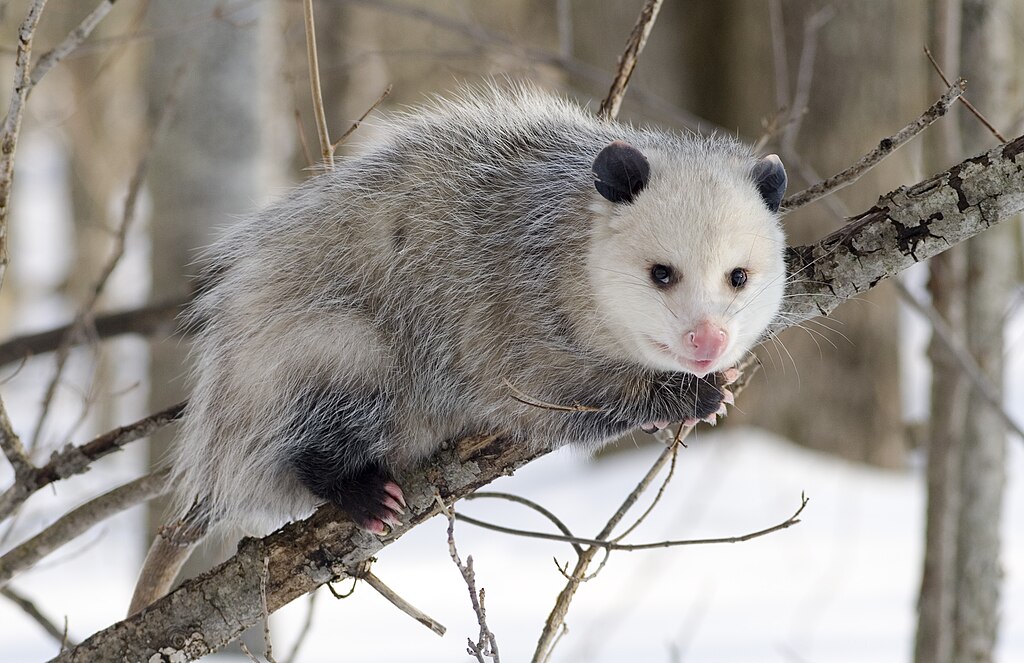
They Help Reduce Tick Populations
One of the strongest arguments for protecting opossums is their relationship with ticks. As they groom themselves, they consume large numbers of ticks that attach to their fur.
Fewer ticks in your yard means lower exposure for pets and people. In a world where tick-borne illnesses are a growing concern, that’s not a small benefit.
18-page quick guide and reference for gardeners dealing with pests that show up the most. From prevention strategies to treatment and remedies, this is the perfect printable for your garden.
They’re Nature’s Cleanup Crew
Opossums are opportunistic scavengers, and that’s actually a good thing. They feed on insects, beetles, fallen fruit, carrion, and even small rodents.
By removing decaying material and pest insects from your yard, you help prevent odor, reduce attractants for other wildlife, and maintain balance. They’re essentially working the night shift, cleaning up what others leave behind.
They’re Not as Destructive as You Think
Unlike animals that dig up lawns or aggressively nest in homes, opossums tend to be temporary visitors. If they take shelter under a porch or shed, it’s usually short-term. They aren’t known for tearing through structures or burrowing large tunnels.
Most of the time, securing trash lids and removing easy food sources is enough to encourage them to move along peacefully.
They’re Less of a Health Threat Than Many Assume
Opossums are often lumped into the “rabies risk” category, but in reality, they are relatively low carriers compared to other mammals. Their body temperature makes it harder for the virus to survive.
Of course, like all wildlife, they shouldn’t be handled, but simply seeing one in your yard isn’t a cause for alarm.
They Play a Role in a Healthy Ecosystem
A thriving backyard isn’t built only on butterflies and songbirds. It depends on a web of species working together. Opossums contribute by managing pests, consuming decaying matter, and helping maintain balance without chemicals or intervention.
Their presence can actually signal biodiversity — a sign that your outdoor space supports a functioning ecosystem.