Most of us go through the day assuming the things around us will keep working. We use GPS to get around, order groceries from our phones, turn on a faucet for clean water, and replace things when they break instead of figuring out how to repair them.
It’s easy to forget that these conveniences are fairly recent.
Previous generations had to know how to find and clean water, start a fire, repair clothing, read a map, grow food, and make household supplies from basic ingredients. Those skills were part of everyday life, so people practiced them often.
Today, many of those abilities have become less common. That doesn’t make them useless, though. Knowing how to handle basic tasks without electricity, internet access, or a nearby store can give you more options during an emergency. They can also save money and reduce waste in ordinary life.
Here are 13 survival skills worth learning and practicing before you actually need them.
Sourcing Water
Water is one of the first things to think about if your usual supply becomes unavailable.
Learning how to spot possible water sources can be useful during an outdoor emergency. Streams, springs, low areas, certain vegetation, and animal activity can sometimes provide clues that water is nearby.
Finding water is only the first step. Natural water may contain bacteria, parasites, chemicals, or other contaminants, so it should never be assumed safe just because it looks clean.
Related: 12 Important Survival Skills Every Child Should Have
Purifying Water
Once you have a potential water source, you need a safe way to treat it.
Boiling, filtering, and chemical disinfection are common methods, but each has its own limits. Learn how each method works and what it can and cannot remove.
It’s also smart to practice using your water filter and keep supplies such as
Master a Knot
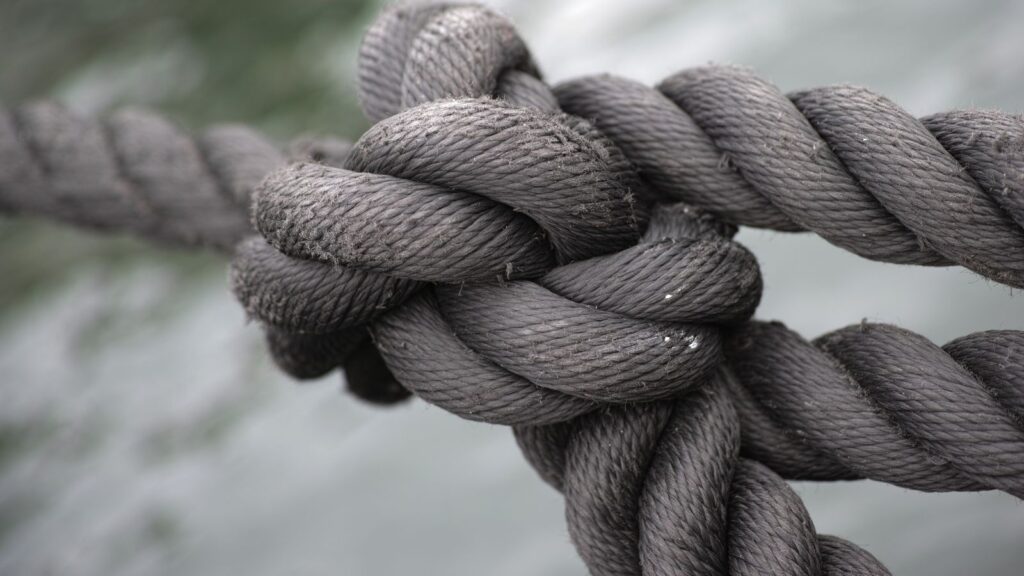
Knot tying is one of those skills that seems almost too basic to bother learning until you actually need it.
A few reliable knots can help with securing loads, putting together a shelter, tying down equipment, fishing, hanging items, or making temporary repairs.
Start with useful knots such as the bowline, clove hitch, square knot, and two half hitches. Practice tying them until your hands can do the motions without much thought.
Related: 12 Simple Homemaking Skills Our Grandmothers Passed Down Through Generations
Navigation
GPS has made getting from one place to another incredibly easy, but it has also made traditional navigation less common.
Learning to read a paper map and use a compass gives you a backup if your phone loses its signal, runs out of battery, or stops working. Pay attention to landmarks, terrain, roads, rivers, and other features so you can keep track of where you are.
You can also learn basic ways to estimate direction using the sun and stars. These methods aren’t as reliable as a compass, but they can help you develop a better sense of direction.
Start a Fire
Starting a fire with a lighter is easy. Starting one when your lighter is gone, your wood is damp, and the wind is blowing is a different story.
Learn how to find dry tinder, prepare small kindling, and arrange firewood so the flames have enough air. Practice with matches, a lighter, and a Ferro rod rather than depending on one method.
Traditional techniques such as the bow drill and hand drill are much harder, but they can teach you a lot about tinder, friction, moisture, and airflow.
Always practice fire-starting in a safe, legal location and keep water or another suitable way to put the fire out nearby.
Sew and Repair Clothes
Clothing used to be repaired over and over because replacing it wasn’t always an option.
A needle, thread, scissors, and a few spare buttons can handle many small repairs. Learn how to sew a torn seam, replace a button, patch a hole, and reinforce worn fabric.
This skill is useful far beyond emergencies. A five-minute repair can sometimes keep a favorite shirt, backpack, jacket, or pair of pants going for years instead of sending it to the trash.
Build a Shelter
If you’re caught outdoors in bad weather, getting out of the wind and rain can become a priority very quickly.
Learn the basics of building simple shelters such as a lean-to or debris shelter. The best design depends on the weather, terrain, and materials available.
A shelter doesn’t have to look impressive. It needs to keep you reasonably protected from the conditions around you. Practice building one during a camping trip so you can learn what works before you’re dealing with cold, rain, or strong wind.
Forage Safely
Foraging can provide another source of food, but it isn’t something to learn by guessing.
Many edible plants have poisonous lookalikes, and some mushrooms can be extremely dangerous. Learn to identify a small number of local species from several characteristics rather than relying on color or shape alone.
A local foraging class and a trusted field guide are good places to start. Don’t eat a wild plant unless you are completely certain of its identity and safety.
Hunt for Food
Hunting is a skill that involves much more than finding an animal.
You’ll need to learn about tracking, local wildlife, legal requirements, safe firearm handling if applicable, field dressing, and meat processing. Trapping has its own rules and techniques too.
If you want to learn, take a reputable hunting or trapping course and practice under experienced supervision. This is one skill where doing things correctly matters for both safety and animal welfare.
Use Herbal and Natural Remedies Carefully
Long before modern pharmacies, people relied on plants and other natural materials for many everyday remedies.
Some traditional plant uses have scientific support, while others are based mostly on folklore. That makes reliable information especially important.
Learn about the plants that grow in your area and how they have traditionally been used. A good reference book or course can help you avoid dangerous mistakes. Natural remedies should never replace professional medical treatment for serious injuries, infections, allergic reactions, or other emergencies.
Wash Clothes by Hand
A washing machine is one of those appliances you don’t appreciate until it stops working.
Hand-washing clothes is relatively simple once you know the process. You can use a bucket, basin, washboard, or sturdy container to agitate clothing, then rinse and hang everything to dry.
It’s useful during power outages, camping trips, travel, or situations where you need to conserve water and electricity. It can also be gentler on certain fabrics.
Learn to Fish
Fishing may look easy from the shoreline, but catching fish consistently takes practice.
Start by learning what species live in nearby waters and what they typically eat. That information can help you choose suitable bait and tackle.
Practice tying fishing knots, setting up a basic rig, casting, and handling your catch safely. Check local fishing regulations before heading out, since seasons, licenses, size limits, and permitted equipment vary by location.
Make Basic Cleaning Products
People once cleaned their homes with simple ingredients rather than a cabinet full of specialized products.
Learning a few basic cleaning recipes can reduce the number of commercial products you rely on. Ingredients such as vinegar, baking soda, soap, and
Be careful with homemade cleaners. Never mix bleach with vinegar, ammonia, or other incompatible chemicals, and don’t assume a natural cleaner is safe for every surface.
These skills aren’t about giving up modern conveniences. They’re about having a backup plan and being more comfortable handling ordinary problems yourself. Learning one skill at a time, practicing it in a safe setting, and keeping a few basic supplies nearby can make a big difference when something doesn’t go according to plan.