Most of us don’t think much about electricity until it’s gone. We flip a switch, charge our phones, keep food cold, and go about our day without giving it a second thought. So the idea of living without electricity can sound overwhelming.
While losing power would certainly change daily life, people have lived without it for most of human history. It takes some adjustment, plenty of patience, and a willingness to do things differently. Along the way, you also learn a few lessons that are easy to overlook in modern life.
1. The Quiet Feels Strange at First
When the electricity goes out, one of the first things you’ll notice is the silence. There are no humming appliances, televisions, fans, or electronics running in the background.
At first, the quiet can feel almost unsettling. After a while, though, it becomes calming. You begin hearing birds, wind through the trees, and other sounds that usually get drowned out.
2. Your Day Revolves Around the Sun
Without electric lights, daylight becomes one of your most valuable resources. Outdoor chores, cooking, gathering water, and repairs all need to happen before the sun goes down.
Once darkness arrives, work slows dramatically. You quickly learn to plan ahead instead of putting things off until later in the evening.
3. Everyday Chores Take More Time
Without electric appliances, simple jobs require more effort. Washing dishes by hand, doing laundry, preparing meals, and cleaning all take longer.
Life moves at a slower pace, and you have to think ahead. A little planning saves a lot of frustration.
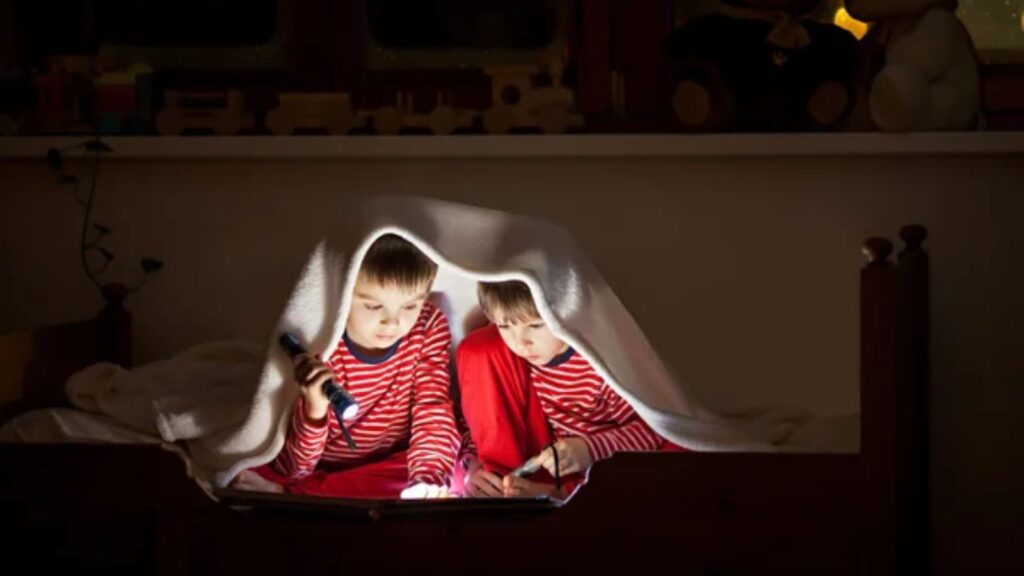
4. Flashlights Become One of Your Most Valuable Supplies
Light is something most people take for granted until they no longer have it. Flashlights, lanterns,
Instead of leaving lights on without thinking, you use them only when needed and look for ways to stretch every battery as long as possible.
5. Refrigeration Becomes a Daily Challenge
Without a refrigerator, meal planning changes completely. Leftovers spoil quickly, cold drinks become a rare treat, and foods like milk, yogurt, and fresh meat have to be eaten right away or kept on ice.
You naturally begin cooking smaller meals and relying more on shelf-stable foods.
6. You Learn to Live With the Weather
Without heating or air conditioning, you pay much closer attention to the temperature.
During summer, you seek shade, open windows at the right time of day, and avoid direct afternoon sun. During winter, extra blankets, warm clothing, and wood heat become part of everyday life.
7. You Find New Ways to Stay Busy
Without televisions, streaming services, and social media, people often rediscover hobbies they’ve neglected.
Reading, woodworking, card games, music, gardening, storytelling, and simple conversations fill the hours. Children often spend more time outdoors and create their own entertainment.
8. You Waste Much Less Food
Without refrigeration or a microwave, leftovers aren’t always practical.
Most people start cooking only what they expect to eat. Meals become more intentional, and food waste naturally decreases because every ingredient matters.
Related: 13 Items to Keep Stored for Unexpected Food Shortages
9. Every Drop of Water Counts
If water isn’t coming from an electric pump, carrying it becomes part of the daily routine.
Once you’ve hauled buckets by hand, you become much more aware of how much water you use. Water gets reused whenever possible, whether for cleaning tools, flushing toilets, or watering plants.
10. You Go to Bed Earlier
Without bright lights and glowing screens, evenings become much shorter.
Many people find themselves getting sleepy soon after sunset and waking naturally with the morning light. After a few days, this schedule often feels surprisingly normal, and many people say they sleep more soundly.
11. Fire Becomes an Essential Skill
Cooking, staying warm, heating water, and even providing light often depend on fire.
With practice, you get better at choosing firewood, collecting dry tinder, starting fires quickly, and keeping them burning efficiently.
12. Your Clothing Does More Than Keep You Dressed
Without climate control, your wardrobe helps regulate body temperature.
Loose, lightweight clothing protects against the summer sun, while layers, wool socks, and warm hats make a huge difference during cold weather. Dressing for the conditions becomes second nature.
13. You Start Separating Needs From Wants
Living without electricity has a way of changing your priorities.
Many of the things that once seemed essential turn out to be conveniences. You begin focusing more on food, water, shelter, and the people around you instead of constant entertainment.
14. Conversations Last Longer
Without phones, computers, and television competing for attention, people naturally spend more time talking.
Meals last longer, stories get shared, and families often become more connected simply because there are fewer distractions pulling everyone in different directions.
15. Cold Showers Become Normal
Unless you have a wood-fired water heater or a solar shower, hot water isn’t guaranteed.
Many people get used to quick cold showers, especially during warmer months. If you can warm water in the sun or over a fire, even a short warm wash starts to feel like a luxury you truly appreciate.