Emergency preparedness is about much more than filling shelves with canned food and storing extra water. The people who are truly prepared also take care of their health because they know their body is one of the most valuable survival tools they have.
Real emergencies can be physically demanding. You may have to carry heavy supplies, collect water, split firewood, hike long distances, or build shelter with limited resources. Even simple jobs become much harder when you’re tired, out of shape, or dealing with health problems.
Lighting a fire without modern tools, hauling gear over rough ground, or working outside in bad weather all require strength, stamina, and patience. That’s why many experienced preppers make healthy living part of their everyday routine instead of waiting until disaster strikes.
Staying Physically Active
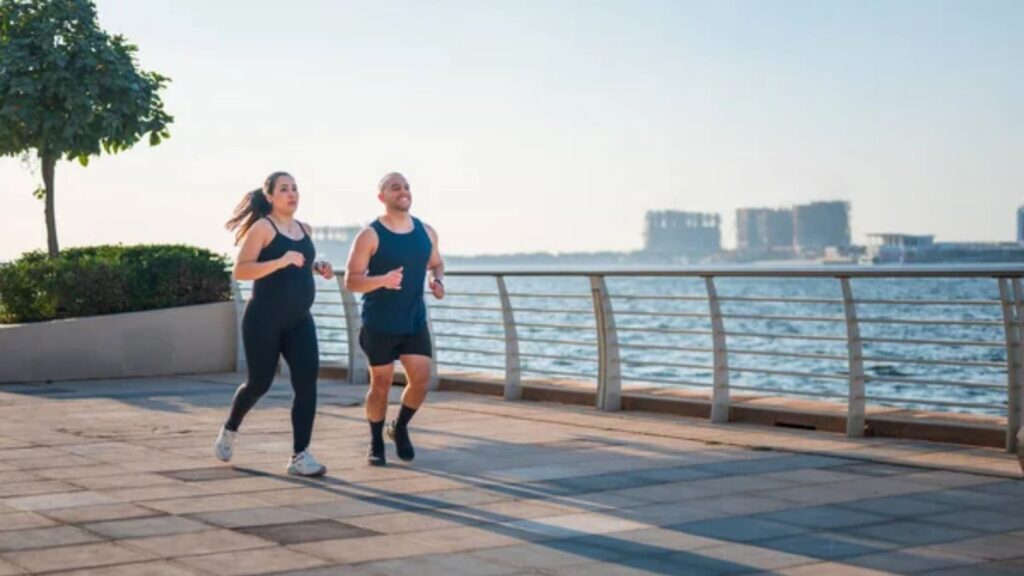
Regular exercise helps build strength, stamina, balance, and flexibility. Those qualities can make everyday tasks easier and become even more valuable during an emergency.
You don’t have to train like an athlete. Walking, cycling, swimming, strength training, or any activity that keeps you moving can improve your overall fitness. The goal is to stay active enough that your body is ready when it needs to work harder than usual.
Practice Functional Fitness
Preparedness is about being able to perform real-world tasks, so your workouts should reflect that whenever possible.
Practice carrying heavy buckets, lifting supplies, climbing hills, chopping wood, or hiking with a loaded backpack. Spending time with your bug-out bag on local trails helps you adjust to the weight and gives you a better idea of what your body can handle before an emergency ever happens.
Maintain a Nutritious Diet
Food is fuel, and eating well gives your body what it needs to stay strong.
Meals built around lean protein, healthy fats, vegetables, fruits, and complex carbohydrates support muscle recovery, strengthen the immune system, and provide steady energy throughout the day. Good nutrition also plays a role in managing many long-term health conditions, including diabetes, making it easier to stay prepared for unexpected situations.
Stay Hydrated
Water is one of the most basic needs for good health, yet many people don’t drink enough of it.
Staying hydrated helps regulate body temperature, supports physical performance, and keeps your mind focused. Along with drinking enough water each day, it’s smart to have reliable ways to filter, purify, and store water so you’re ready if your normal supply is interrupted.
Healthy Sleep Routines
Quality sleep is often overlooked, but it has a direct effect on both physical and mental performance.
A regular sleep schedule helps your body recover from physical activity while improving concentration, mood, and decision-making. Learning how to fall asleep quickly and get quality rest whenever the opportunity arises can be a valuable skill during stressful situations.
Practice Stress Management
Emergencies can be mentally exhausting, which is why learning to manage stress before a crisis is so valuable.
Simple habits like deep breathing, meditation, prayer, journaling, or mindfulness can help you stay calm when situations become difficult. A clear mind makes it easier to solve problems and avoid decisions driven by panic.
Develop Problem-Solving Skills
Supplies alone won’t solve every problem you’ll face.
Challenge yourself with activities that keep your mind sharp, such as puzzles, strategy games, navigation exercises, or planning different emergency scenarios. Thinking through problems before they happen helps you react with more confidence when plans suddenly change.
Build Mental Toughness
Mental strength grows through experience.
Instead of avoiding discomfort, spend time outdoors in different weather conditions. Go hiking when it’s raining, work outside on hot days, or camp during cooler seasons. These experiences teach you how to stay focused when conditions aren’t ideal and build confidence that carries over into real emergencies.
Being comfortable with discomfort doesn’t mean taking unnecessary risks. It means learning that difficult conditions are often manageable with the right mindset and preparation.
Stay Socially Connected
Preparedness doesn’t have to be a solo effort. Strong relationships with family, friends, and trusted neighbors can make a difficult situation much easier to manage.
A dependable support network allows people to share knowledge, divide responsibilities, and help one another when resources are limited. Whether it’s checking on an elderly neighbor, sharing tools, or watching over each other’s property, working together often makes everyone safer.
Related: Why Knowing Your Neighbors Matter If a Disaster Were to Strike
Keep a Positive Mindset
A positive attitude won’t prevent emergencies, but it can change how you respond to them.
People who stay focused on finding solutions are often better equipped to handle setbacks than those who let fear take over. Many experienced preppers use the phrase “embrace the suck” to describe accepting difficult conditions instead of fighting them. The sooner you accept that challenges are part of the situation, the sooner you can start working through them.
Grow and Preserve Your Own Food
Knowing how to produce your own food is one of the most valuable preparedness skills you can develop.
Even a small garden can provide fresh vegetables, herbs, and fruit throughout the growing season. Learning how to preserve that harvest through canning, dehydrating, freezing, or fermenting helps stretch your food supply well beyond harvest time and reduces your dependence on grocery stores.
Related: 28 Ways to Live Sustainably and Reduce Dependence on Retail and Grocery Stores
Practice First Aid Skills
Medical care may not always be immediately available during an emergency, making first aid knowledge extremely valuable.
Take time to refresh basic skills like treating cuts, burns, sprains, and fractures. Learning CPR and earning a first aid certification can also prepare you for situations where every minute matters. Keep your medical supplies organized, replace expired items, and restock anything you’ve used.
Rotate and Maintain Supplies
Preparedness isn’t just about buying supplies. It’s also about making sure they’re still usable when you need them.
Check your food, water, medications,
Related: 15 Healthy Habits of Highly Effective Preppers
Improve Situational Awareness
Paying attention to what’s happening around you can help you avoid problems before they become emergencies.
Stay informed about local weather, road conditions, power outages, and developing events in your area. Make it a habit to notice exits, identify potential hazards, and discuss emergency plans with your family. Being aware of your surroundings gives you more time to react if conditions suddenly change.
Develop Practical Survival Skills
Supplies can run out, but practical skills stay with you.
Spend time learning and practicing fire starting, shelter building, navigation, water purification, knot tying, tool use, and outdoor cooking. The more often you practice these skills, the more confident you’ll become. When a real emergency happens, you’ll rely less on guesswork and more on experience built through regular practice.