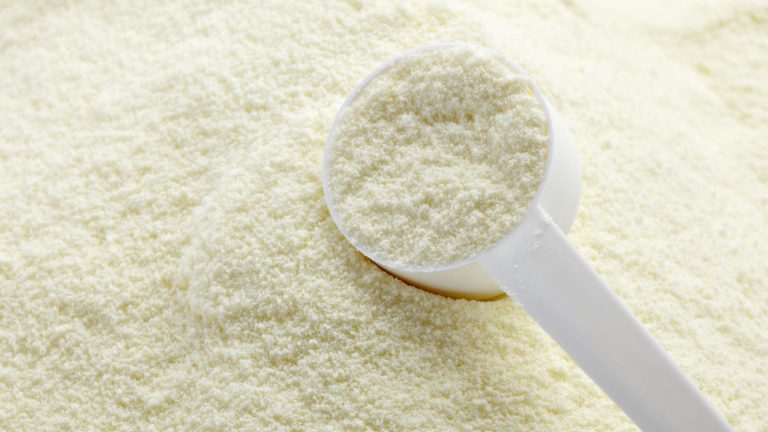
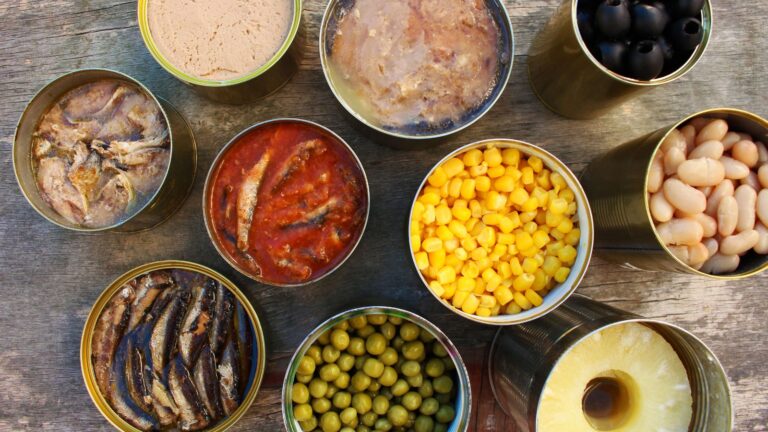
Emergency preparedness goes far beyond simply gathering food, water, and supplies—it’s a lifestyle rooted in health, resilience, and physical readiness. True survival situations demand a level of fitness and stamina that most people underestimate.
It’s not just about opening a can of beans and waiting comfortably by the fire; it’s about the labor involved in sourcing fuel, chopping firewood, hauling it back to camp, and searching for kindling to keep the flames alive.
Even the basic task of starting a fire without modern conveniences becomes a test of strength, patience, and endurance. The reality is, survival scenarios place intense physical demands on your body, and if you’re not actively cultivating healthy habits and staying physically prepared, even the simplest tasks can quickly become overwhelming obstacles.
Staying Physically Active

Regular physical activity strengthens muscles, boosts endurance, and improves flexibility, all of which are essential during emergencies. Staying fit ensures you have the energy and physical resilience needed to face unexpected challenges.
Practice Functional Fitness

Incorporate practical, real-world exercises into your routine, such as lifting heavy objects, carrying weighted packs, and hiking over uneven terrain. Regularly training with your bug-out bag helps your body adapt to the weight and prepares you for realistic survival scenarios.
Maintain a Nutritious Diet

Adopt a balanced diet high in protein, healthy fats, and complex carbohydrates. Proper nutrition helps maintain strength, supports immunity, and even alleviates or reverses chronic conditions like diabetes, significantly enhancing your readiness and resilience.
Stay Hydrated

Consuming enough water daily is crucial for overall health and physical performance. Establishing a reliable system for
Healthy Sleep Routines

Learning to quickly fall asleep and achieve restful sleep is a valuable survival skill. Prioritize regular sleep patterns to improve your physical recovery, mental clarity, and emotional resilience in stressful situations.
Practice Stress Management

Regularly engage in mindfulness practices, meditation, or controlled breathing exercises. Building the ability to manage stress effectively helps you stay calm, make better decisions under pressure, and enhances emotional resilience.
Develop Problem-Solving Skills

Strengthen your cognitive abilities by regularly practicing critical thinking exercises, puzzles, or scenario-based decision-making activities. A sharp, agile mind is essential for quickly adapting to unforeseen challenges.
Build Mental Toughness

Train yourself to handle discomfort by intentionally exposing yourself to varied outdoor conditions. Embrace situations like rain, heat, or cold rather than avoiding them to build resilience and adaptability.
Stay Socially Connected

Foster strong relationships with family, friends, and a community of fellow preppers. Reliable social connections can provide emotional support, enhance teamwork, and multiply your resources and capabilities during a crisis.
Why Knowing Your Neighbors Matter If a Disaster Were to Strike
Keep a Positive Mindset

Cultivate an adaptive, solution-oriented attitude rather than succumbing to fear or negativity. Learning to embrace difficulty (“embrace the suck”) strengthens your mental fortitude, helping you persevere through challenges.
Grow and Preserve Your Own Food
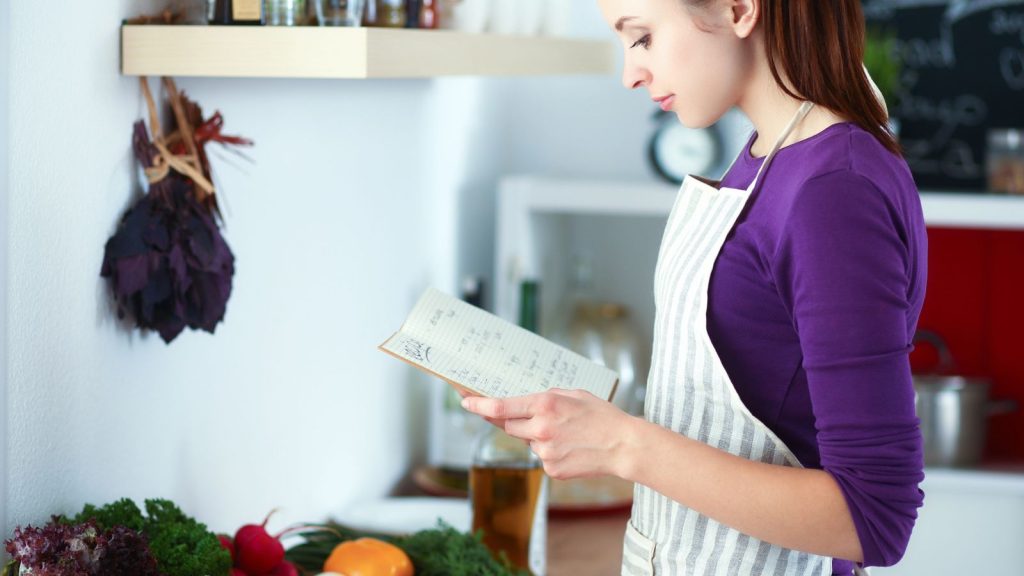
Master gardening, foraging, and preservation techniques such as canning, drying, or fermenting. Producing your own sustainable food supply boosts your long-term independence and enhances your preparedness.
28 Ways to Live Sustainably and Reduce Dependence on Retail and Grocery Stores
Practice First Aid Skills

Regularly refresh your knowledge of basic medical care, CPR, and injury treatment. Ensure your emergency medical supplies are current, and consider advanced first-aid training to confidently manage health emergencies when professional help isn’t available.
Rotate and Maintain Supplies

Maintain a consistent schedule for inspecting, updating, and rotating your emergency food, water, and medical supplies. Keeping your inventory fresh and functional ensures your resources remain reliable when needed most.
15 Essentials Things Preppers Should Stockpile Besides Food And Water
Improve Situational Awareness

Stay informed about local and global events, weather conditions, and possible threats. Integrate situational awareness into your daily routines and educate your family, helping everyone remain vigilant and responsive to potential hazards.
Develop Practical Survival Skills

Continuously refine practical skills like fire-starting, navigation, shelter building, and emergency first aid. Regularly practicing these skills builds confidence, competence, and readiness for real-life emergencies.
24 Foods to Stockpile Now with a Shelf Life of Up to 20 Years

Here are 24 essential foods with impressive shelf lives, perfect for building a stockpile you can count on for years.
24 Foods to Stockpile Now with a Shelf Life of Up to 20 Years
15 Frugal Ways to Build a Food Stockpile on Just $10 a Week
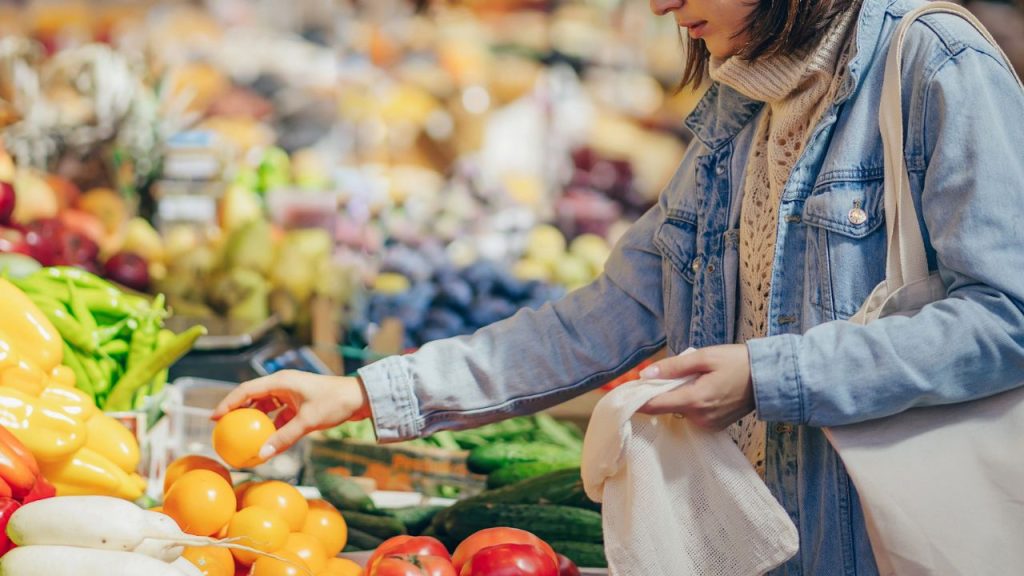
Prepping is about smart planning, not panic buying, and with patience and consistency, you’ll have a solid supply before you know it. Here are some frugal tips to help build your stockpile on just $10 a week.
15 Frugal Ways to Build a Food Stockpile on Just $10 a Week
14 Prepper Items to Buy at the Thrift Store

For preppers, thrift stores can be a real resource. Building up a stockpile of essential supplies to support your family over an extended period can quickly become quite costly. With that in mind, thrift stores are a great place to find some key items preppers often look for. Here are 14 essential prepper finds you can pick up at a thrift store.