Most of us are used to walking into a grocery store and finding whatever we need. There are plenty of choices, fresh produce, and quick meal options available almost every day. But if supplies become limited, that convenience can disappear pretty quickly.
Keeping a small pantry reserve can take some pressure off during a shortage. Foods with a long shelf life give you more options for putting meals together, especially if you focus on ingredients that can be mixed and matched in different ways.
Here are 13 pantry staples worth keeping around if food becomes harder to find.
1. Rice
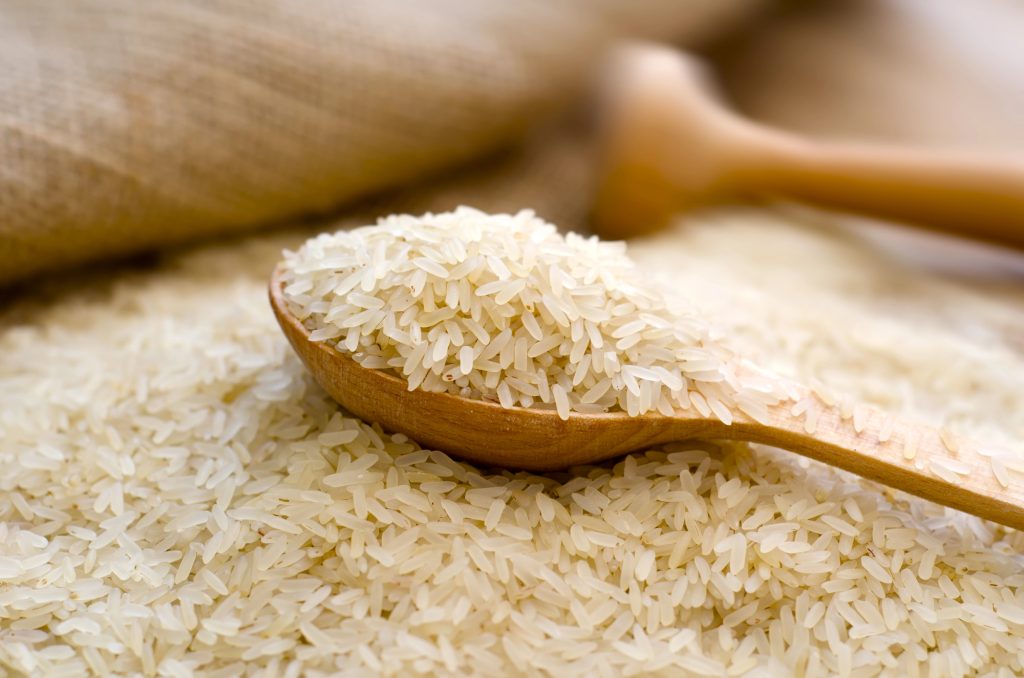
White rice is one of those pantry staples that earns its place simply because it can be used in so many meals. When stored properly in an airtight container in a cool, dry spot, white rice can last for decades.
It works as a side dish, a base for stir-fries, a filling for soups, or part of a simple one-pot meal. Brown rice has a shorter storage life because of its higher oil content, so white rice is usually the better choice for long-term storage.
Related: 22 Flavorful Rice Recipes That Outshine Plain White Rice
2. Canned Meats
Canned meat might not be the first thing you reach for at dinner, but it can be very handy when fresh meat is unavailable. Canned chicken, beef, turkey, ham, and similar products provide protein without needing freezer space.
Keep cans in a cool, dry pantry and check their dates from time to time. They can be added to pasta, rice, casseroles, sandwiches, soups, and other simple meals.
3. Shelf-Stable Milk
Fresh milk doesn’t last long, which can make it difficult to keep around during an extended shortage. Shelf-stable UHT milk is a useful alternative because it can sit unopened at room temperature until its expiration date.
Powdered milk is another option. Once mixed with water, it can be used for drinking, baking, sauces, and other recipes. Store
4. Canned Vegetables
Canned vegetables are an easy way to keep some variety in your meals.
They can be added to soups, stews, casseroles, rice dishes, and pasta. Choose vegetables your household already eats so your pantry doesn’t fill up with cans that nobody wants.
5. Pasta
Dried pasta is inexpensive, easy to cook, and works with countless ingredients. A box of spaghetti can become a completely different meal depending on whether you pair it with tomato sauce, canned meat, vegetables, cheese, or herbs.
Most dried pasta keeps for a long time when stored in a cool, dry place. Keep it sealed well after opening to protect it from moisture and pantry pests.
6. Flour
Flour is useful for much more than making bread. It can be used for pancakes, waffles, biscuits, muffins, pizza dough, cakes, and plenty of other homemade foods.
If you’re storing flour for a shortage, think about how quickly your household uses it. Whole-grain flours tend to spoil sooner than refined white flour, so storing smaller amounts and rotating them regularly can make sense.
7. Sugar & Honey
Sugar is inexpensive, useful in cooking and baking, and can be stored for a very long time if kept dry.
Keep sugar in an airtight container to prevent moisture and insects from getting to it.
8. Canned Fish
Tuna, salmon, sardines, and other canned fish are convenient sources of protein and fats. They require no refrigeration before opening and can turn a basic pantry meal into something much more filling.
Try mixing canned fish with pasta, rice, beans, crackers, or canned vegetables. Keeping a few different varieties on hand also gives you some choice instead of eating the same meal every day.
9. Cooking Oils
Cooking oil is easy to overlook until you run out. It’s needed for frying, sautéing, baking, dressings, and plenty of everyday recipes.
Olive, canola, vegetable, and coconut oils all have different storage lives. Keep them away from heat and direct sunlight, and check for changes in smell or flavor before using an older bottle.
10. Tomato Products
Canned tomatoes, tomato sauce, crushed tomatoes, and tomato paste can turn a handful of basic ingredients into a satisfying meal.
They’re useful for pasta sauces, soups, stews, chili, rice dishes, and casseroles. Tomato paste is especially handy because a small amount can add plenty of flavor without taking up much pantry space.
11. Salt
Salt is one of the simplest pantry staples, but it has many uses beyond seasoning food. It’s also used in several traditional food-preservation methods.
Salt itself doesn’t spoil under normal storage conditions. Keep it somewhere dry and sealed so moisture doesn’t cause it to harden or clump.
12. Powdered Eggs
Powdered eggs can be useful if fresh eggs become difficult to find. Depending on the product, they can be rehydrated for cooking or used in baked goods.
They take up little pantry space and can have a long shelf life when stored according to the manufacturer’s instructions. Check the label before buying, since different powdered egg products can have different preparation and storage requirements.
13. Dried Beans
Dried beans are inexpensive, filling, and a good source of protein and fiber. Black beans, kidney beans, pinto beans, chickpeas, navy beans, and lentils can all be used in different types of meals.
Store them in airtight containers in a cool, dry place. Older beans may take longer to cook, so rotating your supply and using the oldest packages first is a good habit.
A pantry doesn’t have to be packed from floor to ceiling to be useful during a food shortage. A handful of foods you already know how to cook can give you plenty of meal options. Rice, beans, pasta, canned vegetables, flour, and a few other staples can be combined in countless ways, making your supply much more useful than a pile of foods your family never eats.