Prepping isn’t a new trend; it’s a way of life that’s been practiced for generations. But with modern conveniences taking over in the last century, many people have drifted away from the skills that once kept households running strong. Now, more than ever, there’s a growing push to return to those practical, self-reliant habits.
Whether you’re just starting out or have been prepping for years, these 15 life hacks offer simple, effective ways to strengthen your preparedness and make everyday tasks easier.
Store Food Long-Term in Mylar Bags

Mylar bags are one of the most effective tools for long-term food storage. They block out light, air, moisture, and pests—extending shelf life for decades. Choose thicker bags, buy in bulk, and heat-seal everything from beans and rice to flour and jerky.
Vacuum-Seal Everything

Vacuum sealing keeps air and moisture out of your supplies, which means less spoilage and more storage space. Use it for dried goods, seeds, dehydrated meals, or meat headed to the freezer. It’s a must-have method for preserving your prepper stockpile
Repurpose 2-Liter Bottles for Water Storage

Don’t toss those empty soda bottles; instead, turn them into emergency water containers. After cleaning and sanitizing, fill them with water and store them in a cool, dark place. They’re stronger and longer-lasting than milk jugs, making them perfect for non-drinking water needs, such as flushing toilets or watering livestock.
Go Solar with Everyday Essentials

Solar-powered lights, chargers, and radios are smart additions to any prepper’s setup. In a power outage, dollar-store solar pathway lights can light up your home at night. Use them indoors or place them around your property for added security and visibility.
Build or Buy a DIY Rocket Stove

Rocket stoves are simple, fuel-efficient, and ideal for outdoor cooking when the grid goes down. They’re easy to build from bricks or metal cans and work great with twigs or scrap wood. Learn how to use one before an emergency hits.
Use a Root Cellar for Natural Food Storage

A root cellar—whether a full underground room or a buried fridge—keeps produce fresh for months without electricity. Store root crops like potatoes, onions, apples, and
Raise Chickens for Eggs, Meat, and More

Chickens are one of the most valuable animals on a homestead. They provide a steady supply of eggs, meat, and natural pest control. Their manure is rich in nitrogen and makes excellent compost. Start with just a few hens, and you’ll soon have a sustainable flock.
Make Your Own Vinegar

Vinegar is a multi-purpose powerhouse. It cleans, disinfects, preserves food, and repels garden pests, such as ants and slugs. Save money and reduce waste by making it at home using fruit scraps, wine, or apple cider.
Collect 5-Gallon Buckets for Everything

Five-gallon buckets are endlessly useful on a homestead. Use them for water storage, food storage (with gamma lids), hauling supplies, washing clothes, or even as an emergency toilet. Many bakeries or restaurants give them away—grab them when you can.
Create a Seed Bank

Seeds are food security. Stock up on heirloom seeds to save and replant year after year. Harvest seeds from your current garden, dry them properly, and store them in labeled envelopes or jars in a cool, dark place. Trade extras with neighbors to expand your variety.
Use Coffee Filters for More Than Just Coffee
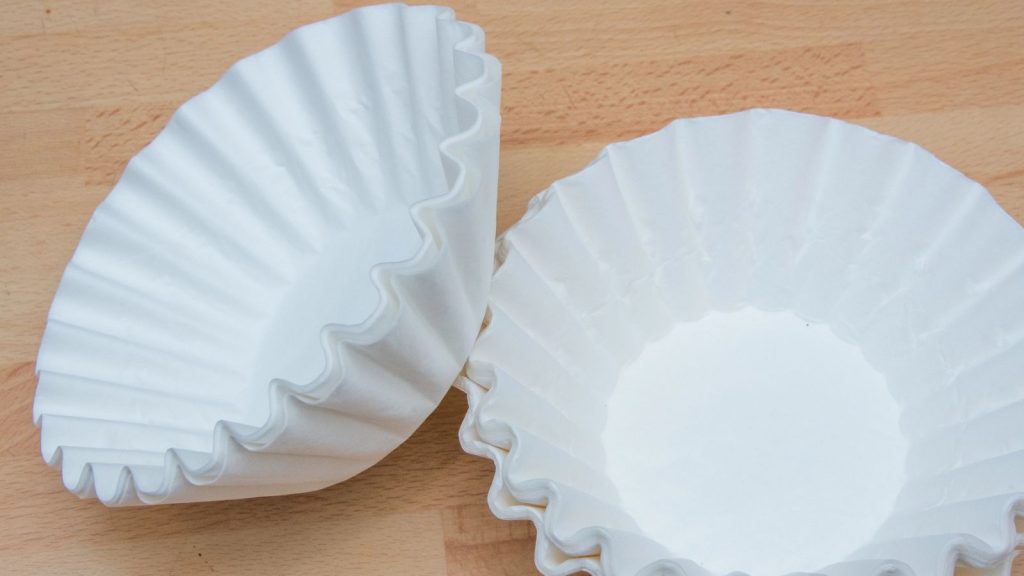
Coffee filters are inexpensive and incredibly versatile. Use them to filter water, start seeds, clean windows, hold snacks, or even start fires. They’re lightweight, compact, and worth adding to your prepping kit.
Set Up a Rainwater Collection System

Rainwater is a free and underused resource. With a simple barrel and gutter setup, you can collect water for your garden, livestock, or flushing toilets. It’s not drinkable straight from the barrel, but a little bleach or filtration makes it usable in emergencies.
Keep Canning Supplies Ready

Preserving food is key to long-term self-reliance. Stock up on canning jars, lids, bands, and both water bath and pressure canners. When a neighbor drops off a basket of apples or your garden overflows, you’ll be ready to store it safely for winter.
Hang a Clothesline
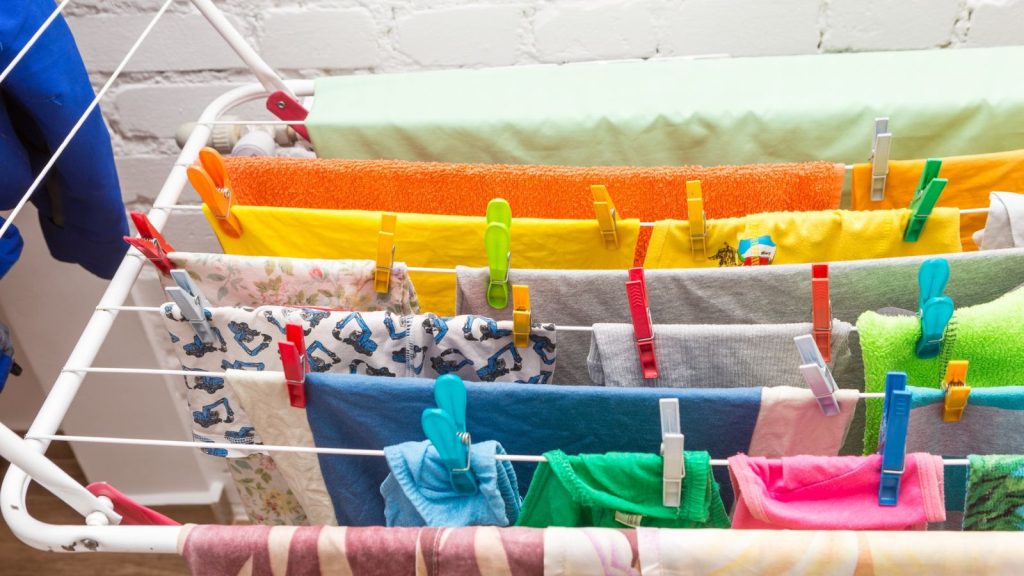
A clothesline saves energy and continues to work even when the grid goes down. Use it to dry laundry, herbs, jerky, or even flowers. Clotheslines and clothespins are cheap, space-saving, and make everyday chores simpler when machines aren’t an option.
Learn to Make Your Own Soap

Soapmaking is easier than it looks, and homemade soap can replace many store-bought cleaning products. With just a few ingredients, you can make laundry soap, dish soap, and shampoo without relying on harsh chemicals or store shelves.
24 Foods to Stockpile Now with a Shelf Life of Up to 20 Years

Here are 24 essential foods with impressive shelf lives, perfect for building a stockpile you can count on for years.
24 Foods to Stockpile Now with a Shelf Life of Up to 20 Years
How to Start an Emergency Stockpile When You Can Barely Afford Groceries
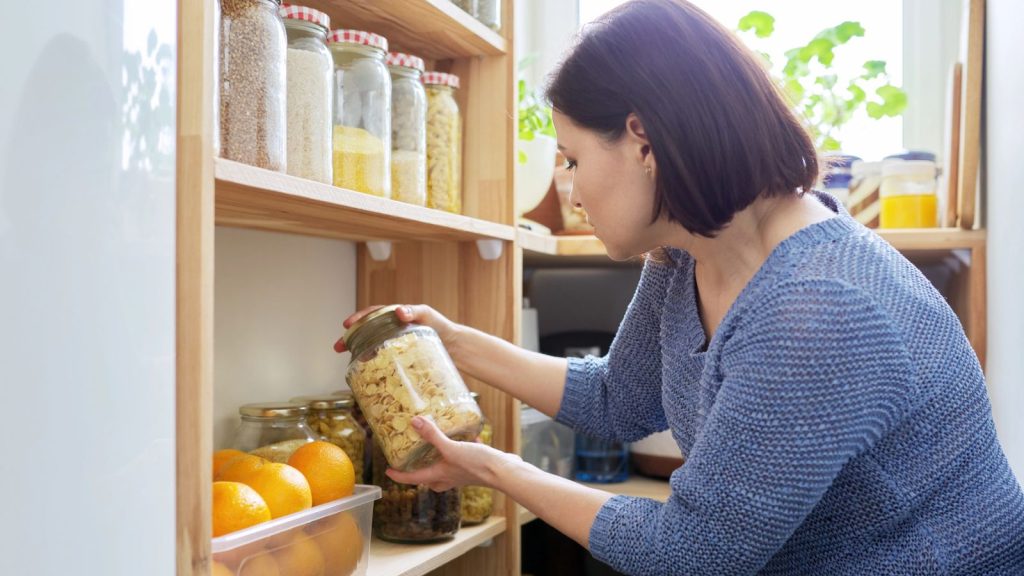
Creating an emergency stockpile on a tight budget is challenging but achievable. By prioritizing essentials, setting a budget, starting small, and using available resources wisely, you can gradually build a stockpile that provides security and peace of mind.
How to Start an Emergency Stockpile When You Can Barely Afford Groceries
15 Frugal Ways to Build a Food Stockpile on Just $10 a Week
Prepping is about smart planning, not panic buying, and with patience and consistency, you’ll have a solid supply before you know it. Here are some frugal tips to help build your stockpile on just $10 a week.