
If you’re staying close to home this weekend, it’s the perfect time to tackle a few important prep tasks without spending a single dime. Prepping doesn’t always require a shopping trip or a big investment. In fact, many of the most valuable steps you can take involve organizing, cleaning, and reassessing what you already have.
Here are 15 tasks you can try out this week.
Take Inventory of What You Already Have

Print out some inventory sheets or create your own to get a clear picture of what you already have in your pantry. Take time to sort, organize, and count your supplies. If you’re unsure what to aim for, look for printable checklists that provide guidelines tailored to your family size and the number of months you’d like to be prepared for.
Create a Family Emergency Plan

Create a family emergency plan that involves the whole family. It may only take thirty minutes or an hour at most. Walk through the house and point out what everyone should do. If you’re bugging out, have a bug-out plan and map out what to do in case of fire, flood, or other emergency.
Gather Important Documents

Search for social security cards, birth certificates, and other relevant documents. Make copies for each family member. Store the copies in a waterproof bag. Other things to include would be insurance papers, medical info, and a list of important phone numbers in case your cell phone is damaged or lost.
19 Important Documents You Should Never Throw Out
Make a “Go Binder”
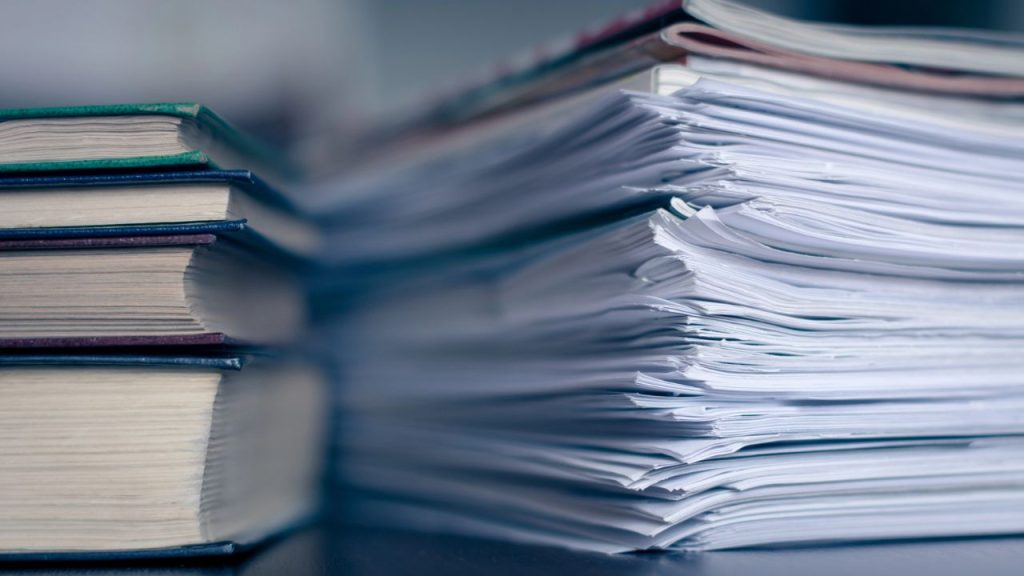
Create a binder filled with lists of what to do in various scenarios. If there is a wildfire, have a list of what you’re going to grab and where you’re going to meet the family. Have lists of contacts and addresses, along with maps and other critical information you can grab and go with.
Practice a Power Outage Drill

Power outages can disrupt your life. You never realize how much you depend on power until it’s gone. Flip the breakers and do a trial run. Show the kids what it would be like without power. Show them how to use flashlights, and if they are old enough, teach them how to use candles. It’s a good time to go over what to do if it’s a cold weather situation.
Related: 16 Essential Items to Stock Before the Next Power Outage Hits
Organize Your Pantry and Rotate Stock
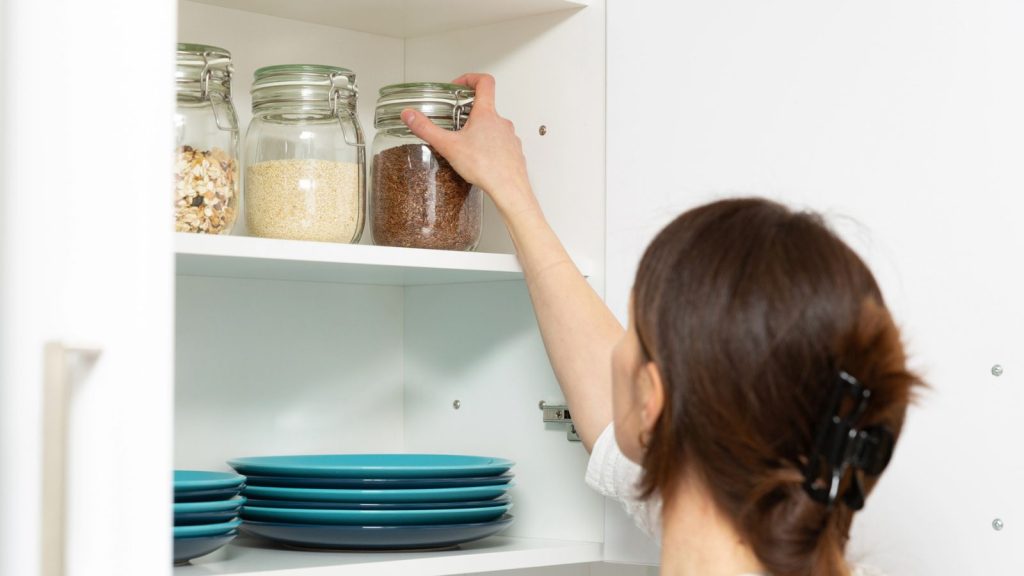
Take the time to pull out everything from the pantry. Wipe down the shelves and toss out anything questionable. This is a good time to inventory what you have. Check the dates on what’s in the pantry and use the oldest items first.
Collect and Clean Empty Jars

If you’re one of those people who can’t throw away pasta, jam, or pickle jars, that’s a good thing. Those jars are great for storing water, rice, and other dried goods. Jars also make good candleholders.
Fill Up Empty Soda Bottles with Water

If you have empty soda or juice bottles, don’t toss them. Clean them thoroughly and repurpose them for water storage. Start by rinsing the bottles well, then wash them with soap and water. After that, sanitize them with a few drops of bleach and rinse again. These sturdier plastic bottles are ideal for storing water. Avoid using milk jugs, as their thinner plastic can break down over time.
Once the bottles are clean, fill them with fresh water and add a couple of drops of unscented liquid bleach to help prevent bacterial growth. Label each bottle with the date you stored the water. It’s best to rotate and refresh your water supply every six months.
Make a Fire Starter Kit
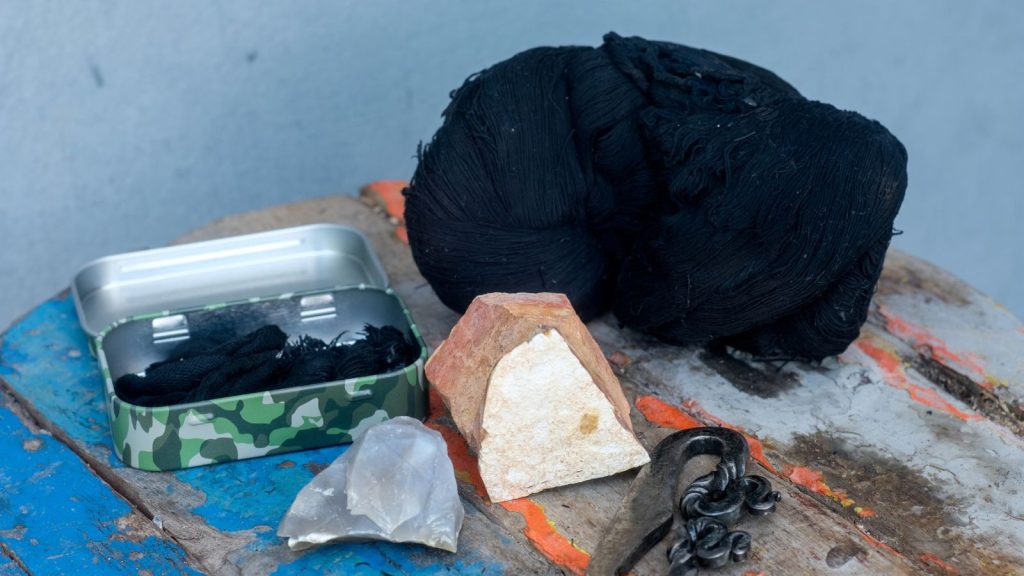
This is a great hands-on project that involves the kids. You can create simple fire-starting kits using small containers, such as Ziplock bags, mint tins, or even empty pill bottles. Start by gathering dry, flammable materials such as dryer lint, shredded paper, or dry moss—these make excellent tinder. Place the tinder into your chosen container along with a couple of waterproof matches.
Be sure to store a flint striker in a separate bag from your tinder to avoid accidental sparks. Make several kits so you can keep one in your car, your bug-out bag, and even your purse.
Check Your First Aid Kit

Just like with the fire-starting kit, make a
Print Out Offline Resources
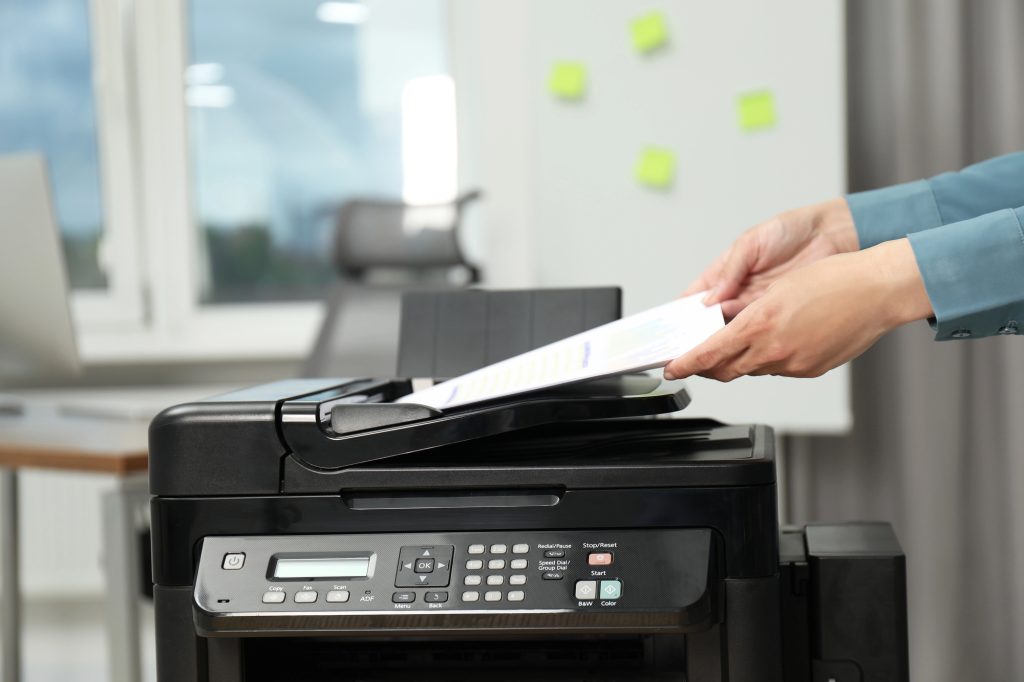
Imagine the world gets turned upside down, and you don’t have access to all those eBooks and bookmarked pages. Buy some ink and start printing how-tos for everything from starting a fire to building a shelter. Print recipes and any other information you think you might need.
Sharpen Your Knives and Tools

Take some time to sharpen your hunting knives, axes, and chainsaw blades. Keeping your tools sharp isn’t just about performance—it’s also about safety. A dull blade requires more force to use and is more likely to slip, making it more dangerous than a properly sharpened one.
After sharpening, apply a light coat of oil to the blades to prevent rust and extend their lifespan.
Start a Prepper Journal

Make a list of the skills you want to learn that will aid in your survival. Ask the family what they think they should learn as well. Prioritize tasks such as building a fire and shelter. Use the internet now to research skills you might need to survive off the grid. You may not even realize all the things you need to know. Set a goal to learn at least one new skill every month.
Declutter and Repurpose

Start the often-overdue task of cleaning out closets and drawers—but don’t be too quick to toss everything. That basket of mismatched socks still has value; single socks can be repurposed in all kinds of ways, from dusting rags to makeshift cold packs.
Take time to organize the junk drawer, and set aside old T-shirts to cut up for reusable cleaning cloths. Use storage bins or totes to help sort the clutter.
Hike
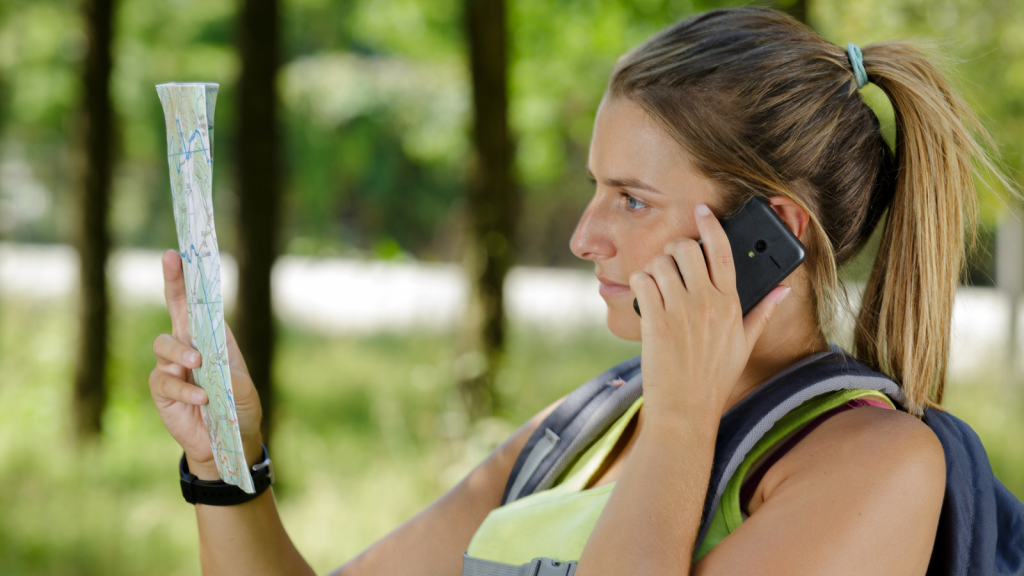
Yes—go for a hike. If you already have a bug-out bag, load it up and take the family on a hike to get used to carrying the weight. Make it an adventure by looking for potential shelter spots, water sources, and places that offer shade or cover.
If you have a specific bug-out route planned, use this time to practice it. Familiarize yourself with the terrain, note important landmarks, and identify any potential challenges. The more you know about your route, the better prepared you’ll be in a real emergency.
18 Useless Items to Purge from Your Living Room

The living room is a place where friends and family come together, perfect for unwinding, watching movies, or having conversations. Yet, with everyday use, it can easily become cluttered. To help you keep your space neat and inviting, here are 18 items you might want to clear out to declutter and refresh your living room.
18 Useless Items to Purge from Your Living Room
14 Prepper Items to Buy at the Thrift Store

For preppers, thrift stores can be a real resource. Building up a stockpile of essential supplies to support your family over an extended period can quickly become quite costly. With that in mind, thrift stores are a great place to find some key items preppers often look for. Here are 14 essential prepper finds you can pick up at a thrift store.
14 Prepper Items to Buy at the Thrift Store
24 Foods to Stockpile Now with a Shelf Life of Up to 20 Years

Here are 24 essential foods with impressive shelf lives, perfect for building a stockpile you can count on for years.
24 Foods to Stockpile Now with a Shelf Life of Up to 20 Years