Bees and butterflies are essential to a thriving garden, quietly doing the work of pollination while adding movement and beauty to the landscape. Supporting them isn’t just good for the environment—it also leads to healthier flowers, fruits, and vegetables.
After planting with pollinators in mind, I started noticing clear favorites. Some flowers consistently drew in bees and butterflies, while others were largely ignored. The key was choosing perennials that bloom reliably and offer rich sources of nectar and pollen.
If you’re hoping to create a garden that truly attracts pollinators, these are the plants that made the biggest difference in mine.
Goldenrod
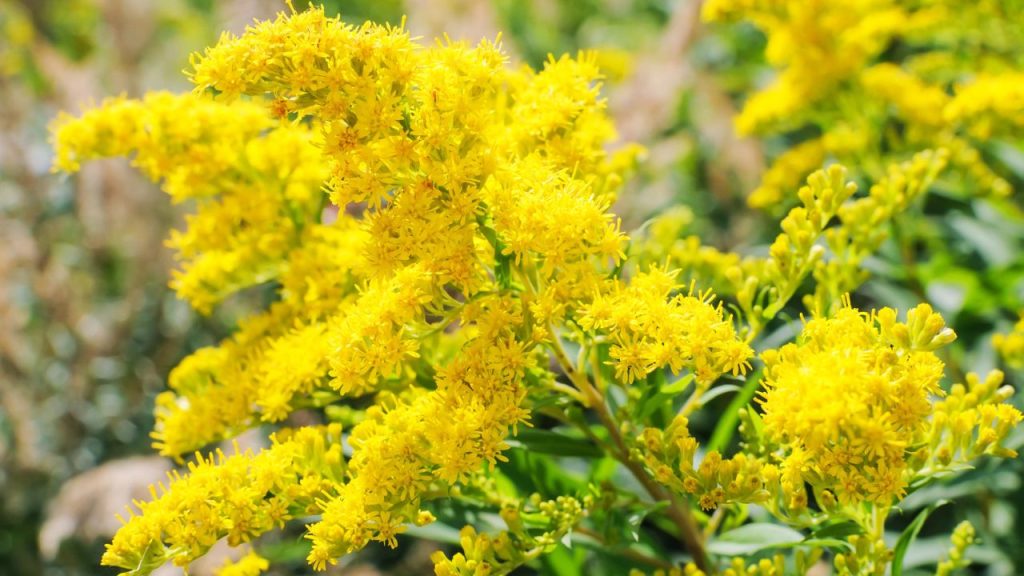
Goldenrod’s bright yellow blooms light up the garden in late summer and fall, and the bees definitely take notice.
Black Eye Susan

Black-Eyed Susans bring color and energy to the garden and they’re absolutely loved by bees. I’ve planted them in clusters, and every season they come back strong and full of life.
Butterfly Bush
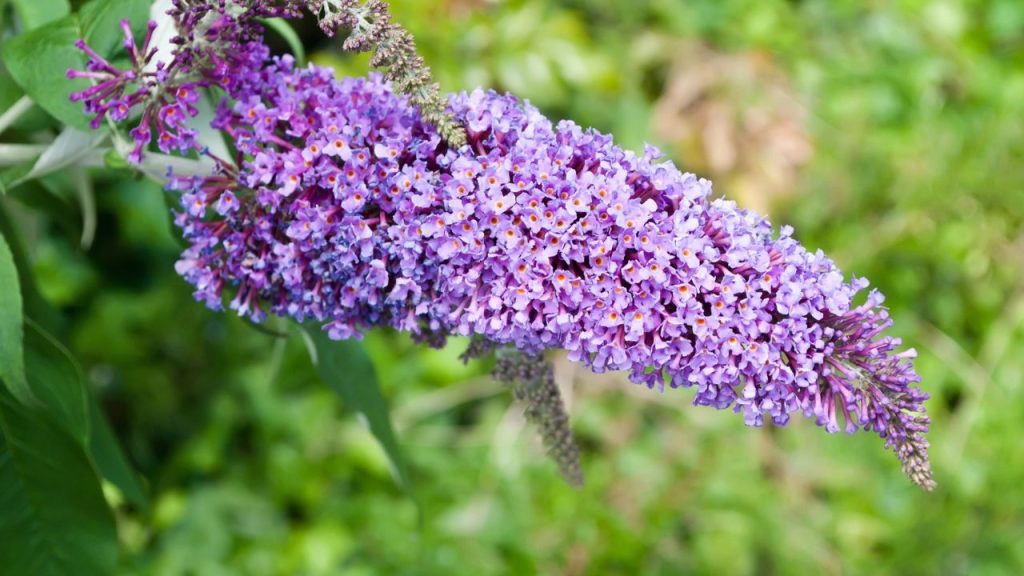
This plant lives up to its name—every time it blooms, butterflies flock to it. But bees love it too. The long, fragrant flower spikes bloom for weeks, offering a generous nectar supply to all kinds of pollinators.
Phlox

Phlox has a way of filling a garden bed with bold color and a sweet scent. It blooms in long-lasting clusters, and I’ve noticed bees are constantly visiting, especially during warm summer afternoons.
Anise hyssop (Agastache foeniculum)

This one is always busy with pollinators. With fragrant flower spikes in shades of purple, pink, or orange,
Blazing Star
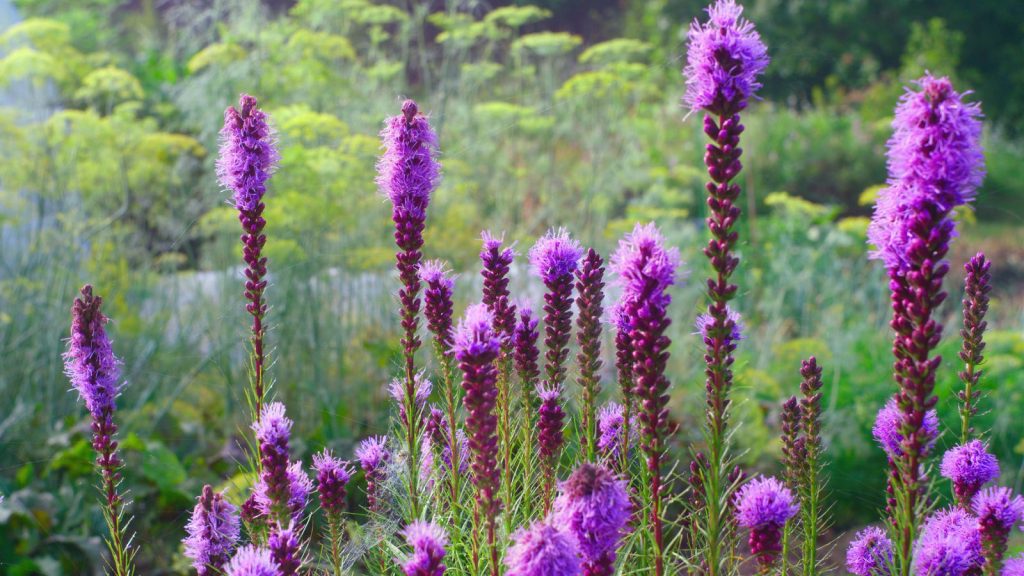
The tall, feathery spikes of Blazing Star add height to the garden, and butterflies love them. Plant them in well-drained soil where they receive full sun, and they never disappoint when it comes to attracting pollinators.
Shasta Daisy
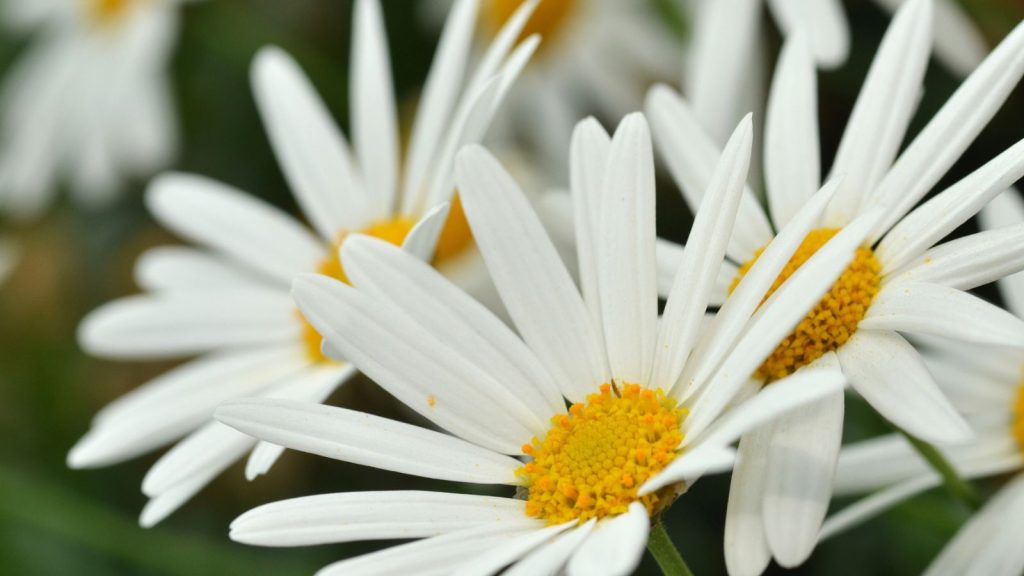
Simple and cheerful, Shasta Daisies brighten up the garden and reliably attract butterflies. I find them low-maintenance and long-blooming, which makes them a dependable choice for summer color.
Echinacea (Purple Coneflower )
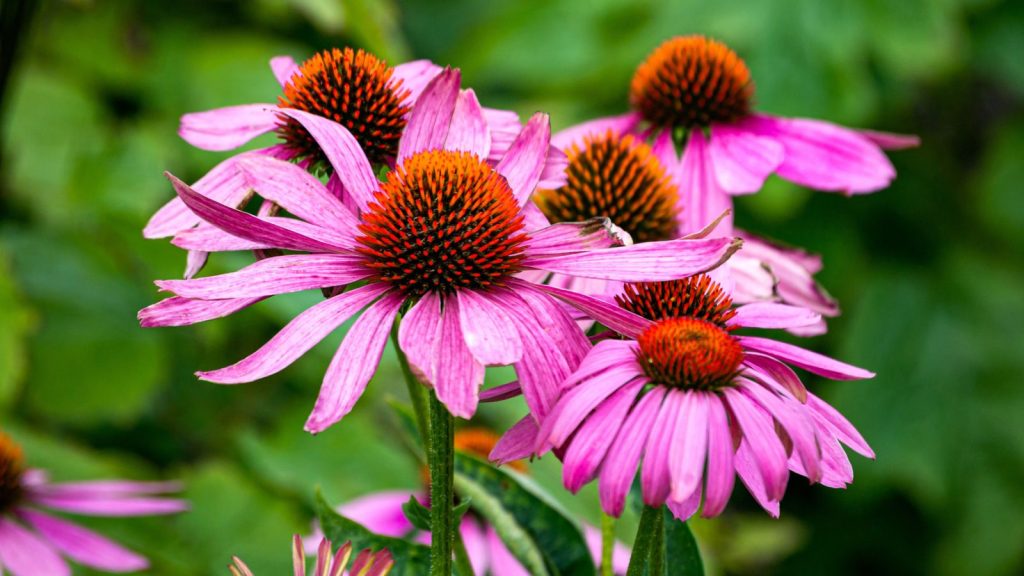
This tough, sun-loving perennial is one of the most popular with bees in my garden. It blooms from early summer to frost, needs little care, and brings color and movement to the landscape year after year.
Bee Balm

Bee Balm lives up to its name—it attracts bees, butterflies, and even hummingbirds. I love the wild, spiky blooms and how they fill the air with a soft minty scent. Once you plant it, it spreads easily and attracts pollinators.
Aster
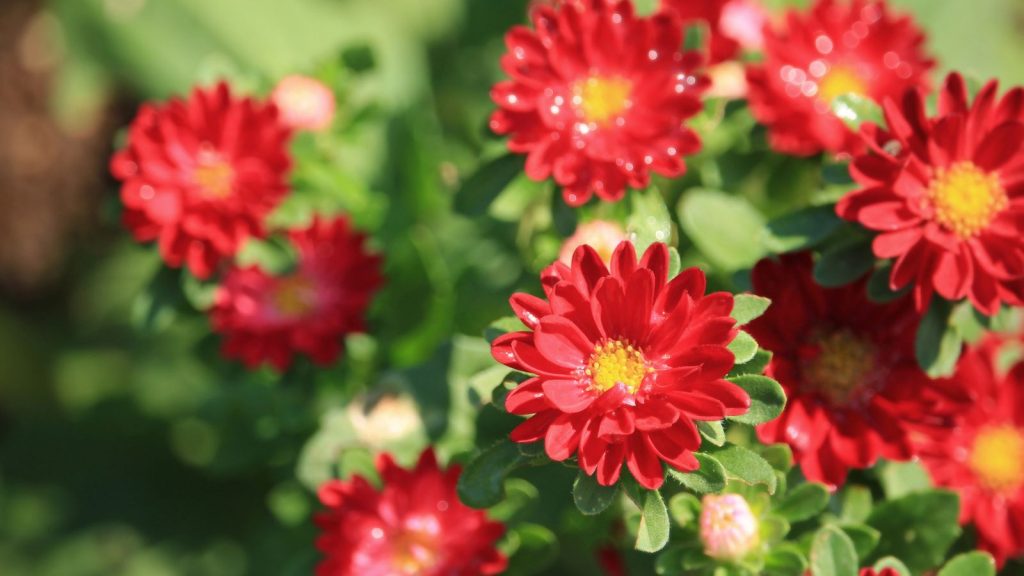
Asters bloom in late summer to fall, providing bees with a critical nectar source when many other flowers have faded. Their colorful, daisy-like flowers are beautiful and a vital source of food for bees preparing for winter.
Salvia
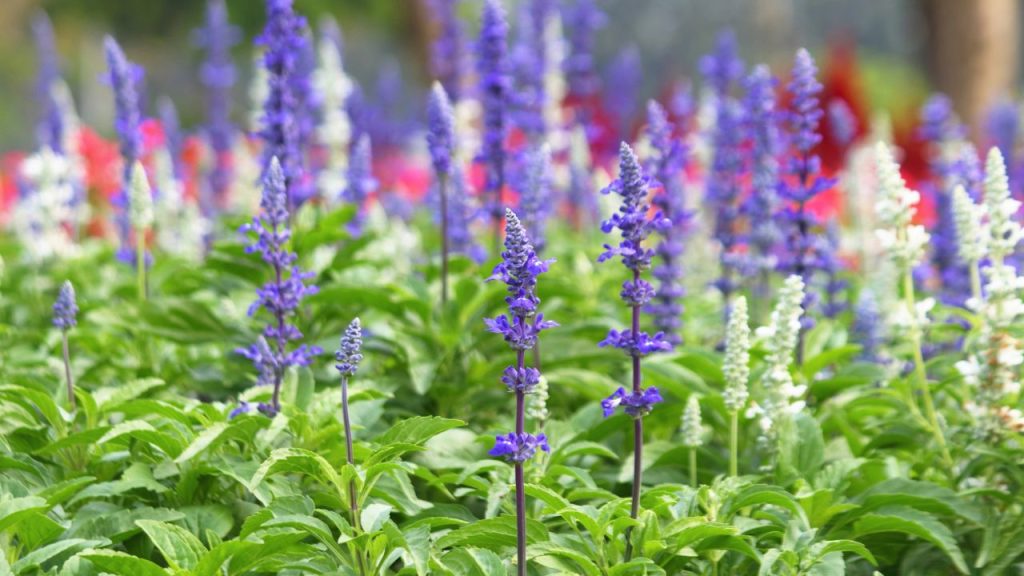
Salvia adds a wonderful aroma and texture to the garden. This herb thrives in well-drained soil and sunny locations, making it a low-maintenance option for attracting pollinators.
Lavender
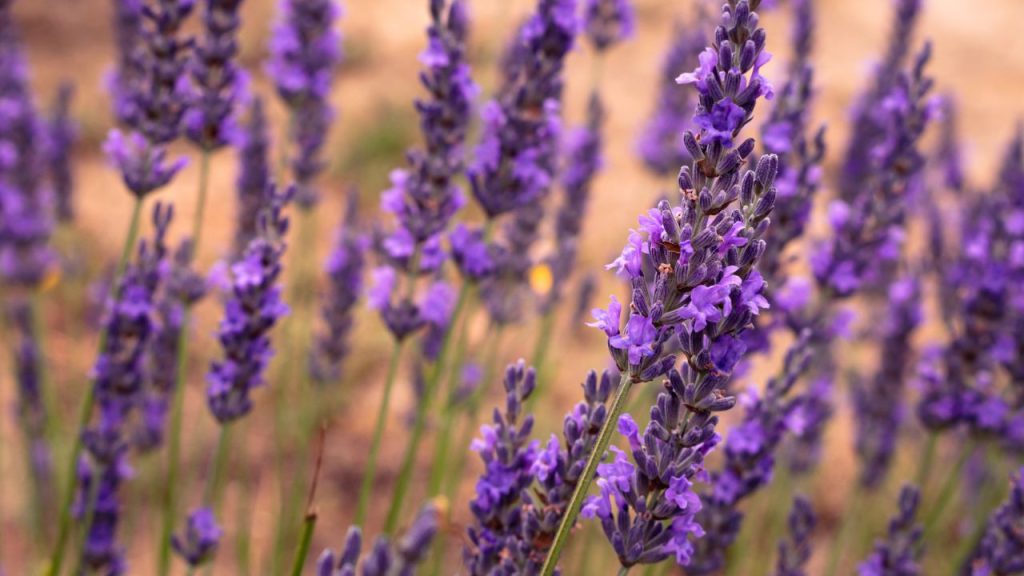
Lavender has a beautiful, rich purple color with a comforting scent. Lavender adds beauty and fragrance to your garden, and bees are also very attracted to it. It’s easy to grow, loves the sun, and doesn’t need much water, making it perfect for a low-maintenance garden.