At the start of a new year, people often reach for the same things: goals, lists, plans to “do better.” Gym memberships spike, budgets get rewritten, and promises are made with the best intentions. But somewhere between February and real life, many of those resolutions fade. Sustainable hobbies offer a different way to begin, one that’s slower, more flexible, and easier to return to.
Instead of focusing on outcomes, these hobbies focus on habits. What makes them sustainable is not just that they’re better for the environment, but that they fit into everyday routines. They reduce waste, rely less on constant buying, and help create a lifestyle that feels steady rather than overwhelming.
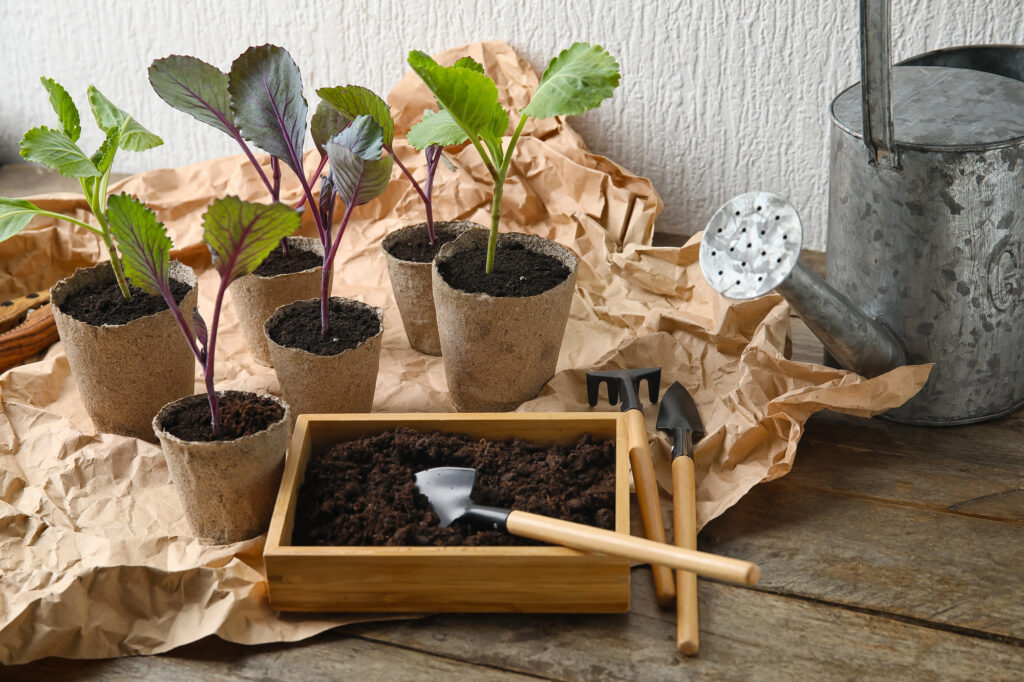
Gardening and Growing Food
Gardening is one of the most common ways people begin living more sustainably. Growing herbs, vegetables, or flowers lowers reliance on packaged food and reconnects daily life to natural cycles. Methods like companion planting and permaculture gardening improve soil over time, making gardens easier to maintain as they mature.
Why it’s sustainable: it lowers food miles, builds soil, and encourages long-term self-reliance.
Composting at Home
Composting is a practical habit that turns everyday waste into a resource. Whether you compost outdoors or use an apartment-friendly system, food scraps become soil instead of trash, reducing landfill use and supporting healthier gardens.
Why it’s sustainable: it reduces landfill waste and improves soil health.
Thrifting and Secondhand Living
Thrifting is less about shopping and more about reuse. Choosing secondhand clothing, furniture, or tools keeps usable items in circulation and reduces demand for new production. It also encourages creativity and patience rather than impulse buying.
Clothing Mending and Repair
Mending clothes helps slow down the cycle of replacement. Small repairs like patching, sewing, stitching, or reinforcing seams keep garments wearable longer and reduce textile waste.
Furniture Upcycling
Upcycling furniture allows worn items to be reused instead of discarded. With simple updates, older pieces can stay functional without the environmental cost of buying new furniture.
DIY Projects Using Waste Materials
Using jars, scrap fabric, or leftover wood for DIY projects reduces waste and encourages making rather than buying. These projects rely on materials already at home, keeping consumption low.
Natural Dyeing and Eco-Printing
Natural dyeing and eco-printing use plants and food scraps instead of synthetic dyes. These methods produce unique results while avoiding harsh chemicals and excess waste.
Knitting, Crochet, and Fiber Crafts
When fiber crafts use recycled or reclaimed yarn, they become a sustainable way to create useful items. The focus shifts from fast production to long-lasting pieces made with intention.
Pottery and Working With Local Materials
Pottery encourages slow creation using natural resources. Working with local clay reduces transportation-related impacts and yields durable, functional objects.
Birdwatching and Nature Observation
Birdwatching is a quiet, low-impact way to connect with local ecosystems. It builds awareness without disturbing wildlife and can be done almost anywhere.
Foraging With Care
Responsible foraging connects people to native plants and seasonal changes. When done ethically and with proper education, it encourages respect for local environments rather than overuse.
Beekeeping and Pollinator Support
Supporting pollinators through beekeeping or planting pollinator-friendly gardens strengthens ecosystems. Pollinators play an essential role in food production and biodiversity.
Community Gardens and Shared Resources
Community gardens and tool libraries reduce individual consumption by sharing space and supplies. These systems save money, lower waste, and build stronger local networks.
Ethical Investing and Sustainability Groups
Sustainable living also includes financial choices. Learning about ethical investing or joining sustainability-focused groups helps align long-term goals with environmental responsibility.
Writing, Teaching, and Sharing Sustainable Practices
Sharing knowledge through blogging, workshops, or local events extends the impact of sustainable habits beyond personal use. Teaching encourages consistency and community engagement.
Starting the year with sustainable hobbies isn’t about setting strict rules or aiming for perfection. It’s about choosing habits that quietly support the life you’re already living—and still feel worth keeping once the new year no longer feels new.
Cooking From Scratch
Cooking meals from whole ingredients reduces packaging waste and processed food consumption. It also helps people better understand what they’re using and consuming, which often leads to less food waste.
Food Preservation
Learning how to freeze, dehydrate, ferment, or can food extends its shelf life and reduces spoilage. These techniques support seasonal eating and make better use of what’s already available.