

Gardening can feel like an overwhelming hobby to get started with, especially if you’re just beginning. With so many plants to choose from, tools to figure out, and techniques to learn, it’s easy to feel overwhelmed before you’ve even planted your first seed. But the beauty of gardening lies in its simplicity—starting small and learning as you go is all you need to begin.
So, to set you on the right path, we’ve put together a simple guide to create a solid foundation for gardening success. Whether you’re growing vegetables, flowers, or simply enhancing your yard’s beauty, our method will ensure that gardening quickly becomes a source of joy and relaxation.
1. Start Small
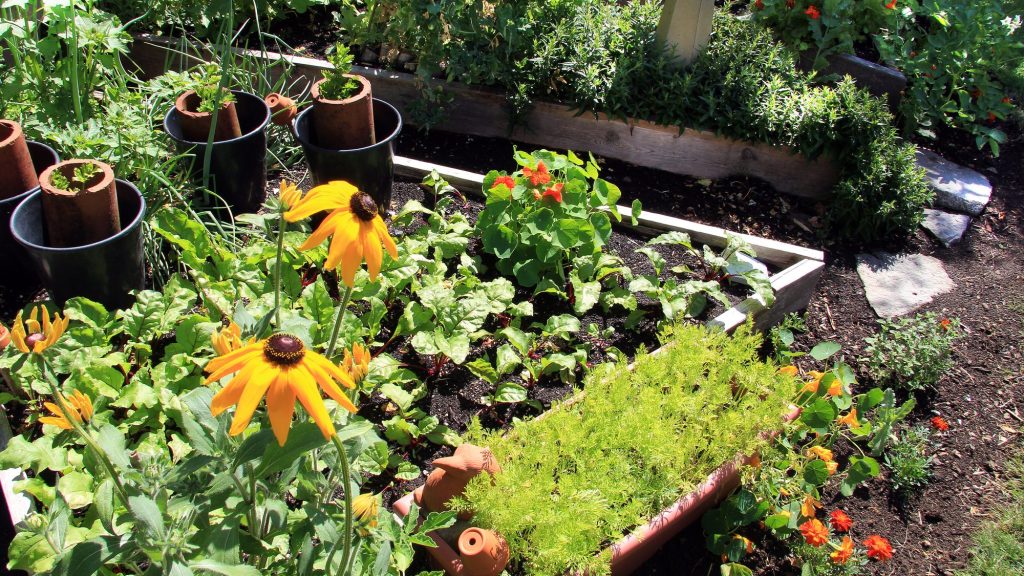
Starting small allows you to focus on learning the basics without feeling overwhelmed. A smaller garden is easier to maintain and helps you build confidence as you see your efforts paying off. This allows you to experiment with different plants and techniques without committing to a large, demanding space.
Handy Tip: For your first gardening attempts, use containers or small raised beds to grow some low-maintenance food crops. Herbs like basil and mint are excellent choices because they’re easy to grow and rewarding to harvest.
14 Perfect Herb Plants to Grow in Your Herbal Tea Garden
2. Get to Know Your Garden

Before planting anything, sit back and observe your garden’s unique characteristics. Watch how sunlight moves across the space throughout the day and identify shady, sunny, and partially shaded areas. This step is essential because it allows you to work with your environment rather than against it, increasing your chances of success.
Handy Tip: Keep a notebook to record observations about sunlight, rainfall, and soil conditions.
3. Plan Your Layout

Decide where pathways, beds, and any structures like trellises or raised beds will go, making sure you can tend to all areas without stepping on plants. This is a good time to start thinking about what to grow where, based on each plant’s light, water, and soil requirements.
Handy Tip: Sketch out your garden on paper or use a digital garden planner to visualize your design.
4. Consider What to Grow

For a beginner, I would suggest focusing on native plants that are well-adapted to your climate and soil type. These will grow quickly with minimal care, setting you up for the best chance of success. If you’re interested in vegetables, select low-maintenance varieties you enjoy eating such as radishes, lettuces, peas, or beans.
Handy Tip: Seed packets and plant labels are a good source of information about light, water, and soil requirements for different plants.
5. Prepare the Ground

Remove weeds, grass, and debris from your growing areas to prepare the ground for planting. Traditionally, gardeners would dig or till the ground to break up the soil, but studies have shown that minimal disturbance helps promote healthy microbial activity and improves moisture retention and soil fertility.
Handy Tip: The no-till method, where the soil is covered with cardboard and compost to suppress weeds, is a quick and easy way to prepare the ground for planting.
12 Natural Ways to Get Rid of Weeds in Your Garden
6. Test and Improve the Soil

Simple soil test kits are widely available and easy to use, so take a moment to test your soil to determine its pH and nutrient levels. Based on the results, you can adjust the soil by adding amendments such as lime to raise pH, sulfur to lower it, or organic matter to improve fertility.
Handy Tip: A soil pH between 6.2 and 6.8 is ideal for most vegetables and flowers.
Related: How to Test Your Garden Soil
7. Learn How to Plant

Now it’s time to get planting! For young plants and seedlings, dig a hole slightly larger than the root ball, place the plant gently in the hole, and backfill with soil. If sowing seeds, read the instructions carefully to determine the correct depth and spacing.
Handy Tip: Water seedlings thoroughly after planting to help settle the soil around the roots.
8. Mulch Garden Beds
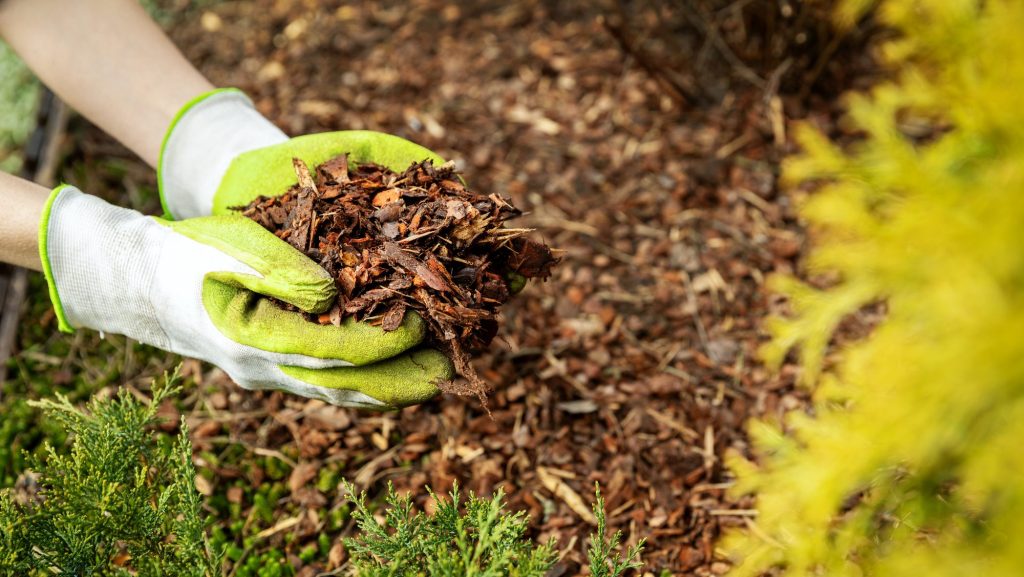
If your soil is poor quality, apply a 2-3 inch layer of mulch, such as wood chips, straw, or organic compost, around your plants. This helps retain soil moisture, regulate temperature, and suppress weeds.
Handy Tip: Keep mulch a few inches away from plant stems to prevent rot.
9. Water Plants Regularly
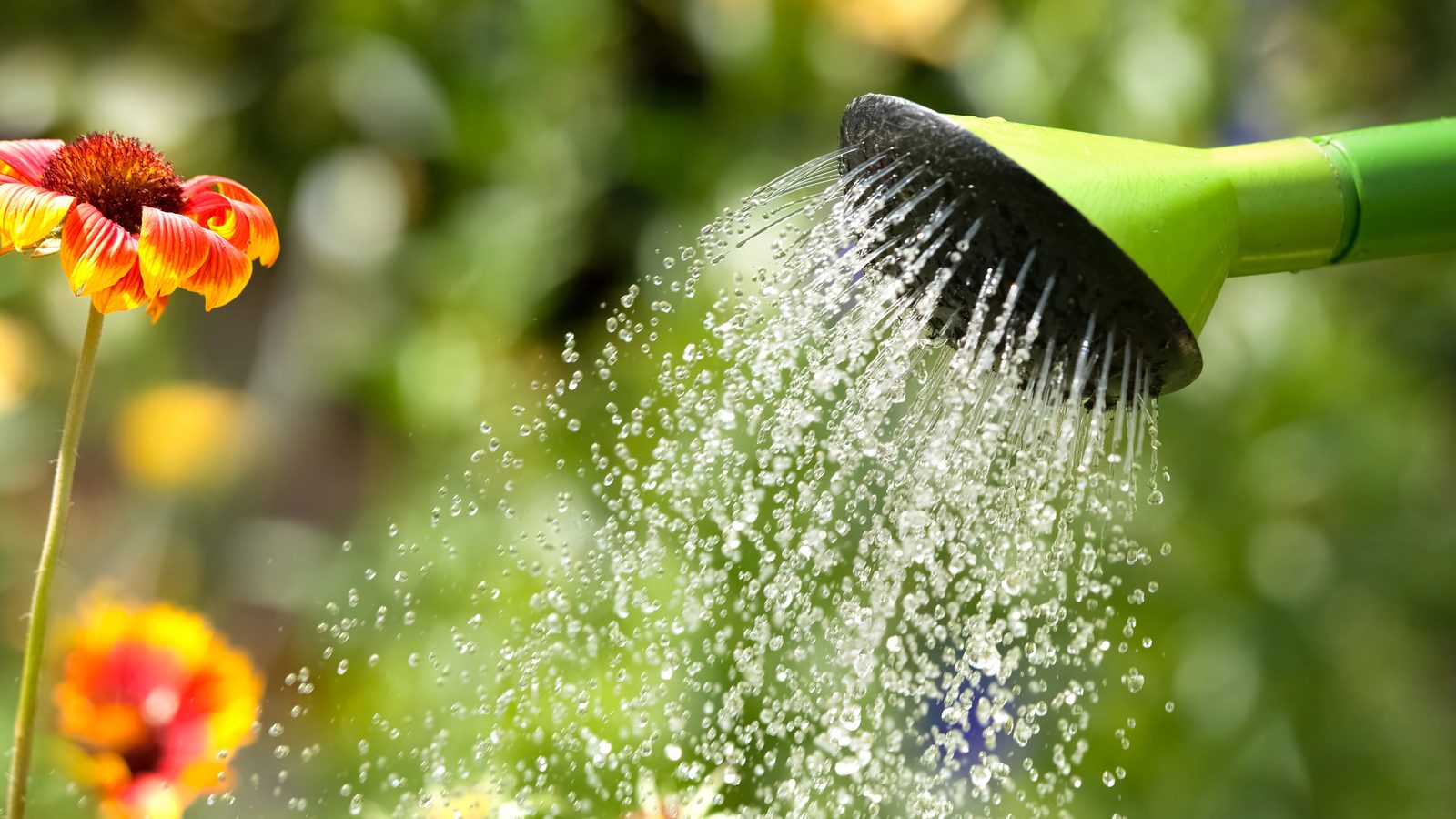
Watering can be tricky to get exactly right, so don’t panic if you make a few mistakes at the beginning! Seeds need soil that is consistently damp to germinate, while young plants benefit from infrequent yet deep watering to encourage strong root growth.
Handy Tip: To check when to water, scrape back the top ½” of soil – if it is dry below, it is time to water.
AdTop Rated Hotels & Resorts
Discover luxury and budget-friendly stays for your next trip.
Related: How to Water Your Garden The Right Way
10. Fertilize Plants When Necessary

Some plants benefit from additional fertilization during their growing season, particularly if your soil is not of great quality. Organic fertilizers like compost tea or slow-release granules are a great way to give plants the nutrient boost they need.
Handy Tip: Over-fertilizing can harm plants, so less is more here!
11. Keep on Top of Weeds

Fast-growing weeds will compete will your carefully nurtured plants for nutrients, water, and sunlight. Carefully remove weed seedlings with a hoe, and pull larger weeds up by hand.
Handy Tip: Weeding is much easier after rain when the soil is soft.
12. Set Up a Composting System

No matter how small your garden or yard is, a composting system is simple to set up and a great source of free nutrient-rich compost. All garden waste can be composted along with fruit peels, vegetable scraps, grass clippings, and leaves.
Handy Tip: Turn the compost pile regularly to speed up decomposition.
13. Create Wildlife Zones

Insects, birds, and small mammals are part of your garden ecosystem and can help keep pests at bay. Plant native flowers to attract pollinators, provide shallow water sources for birds and insects and leave some areas undisturbed to create wildlife habit.
Handy Tip: Plants with seeds or berries will feed birds and other animals through the winter months.
14. Learn How to Prune

Don’t be scared of the pruning shears! Careful pruning keeps your plants healthy, encourages growth, and boosts fruit yields.
Handy Tip: At the start of each year, record the best pruning times for the bushes and trees in your garden as a reminder.
15. Enjoy Your Garden

Finally, don’t forget to take some time to enjoy the fruits of your labor! Gardening is about creating a space to relax, unwind, and connect with nature, so sit back and appreciate the colors, scents, and life in your garden.
Handy Tip: Take weekly or monthly photos to track progress and celebrate your achievements!
19 Stunning Red Flowers to Add Bold Color to Your Garden

Adding red flowers to your garden introduces vibrant pops of color, creating a warm and lively atmosphere. Here’s a list of 19 varieties to brighten your garden, bringing in the perfect touch of spring and summer cheer.
19 Stunning Red Flowers to Add Bold Color to Your Garden
How to Attract Hummingbirds to Your Garden

If you’re eager to see more hummingbirds in your garden, here are nine practical ways to make it a welcoming place for them.
How to Attract Hummingbirds to Your Garden
20 Best Plants for Container Gardening

Container gardening can be as fulfilling as large-scale farming in growing and harvesting food. Whether planting in your backyard, on a balcony, patio, or urban homestead, here are some of the best plants for growing in containers.
20 Best Plants for Container Gardening
16 Easy DIY Raised Beds

While pre-made raised beds can be expensive, building your own is a cost-effective alternative. With some basic materials and a bit of effort, you can construct your own raised beds at a fraction of the cost. Here are 16 DIY Raised garden bed projects to help you get started.
Build Your Dream Garden with These 16 Easy DIY Raised Beds
TrendingFast Track Schengen Visa
Learn how to secure your European visa quickly and easily.