The New Year always arrives with a strange mix of optimism and pressure. Everyone’s talking about becoming a better version of themselves overnight. But the truth is, the changes that last usually don’t come from grand declarations. They come from small decisions you keep choosing, even when no one is watching.
Living more sustainably doesn’t mean reinventing your life. It means paying attention to where your habits land and deciding, gently but intentionally, to do a little better. These resolutions aren’t about perfection. They’re about progress that actually fits into real life.

Grow Something You Can Eat
Even a single pot of herbs on a windowsill changes the way you think about food. Growing your own vegetables, fruits, or herbs reduces packaging waste, cuts down on transportation emissions, and reconnects you to what it takes to put food on the table.
Start small. A few herbs, a raised bed, or one tomato plant is enough to begin shifting habits.
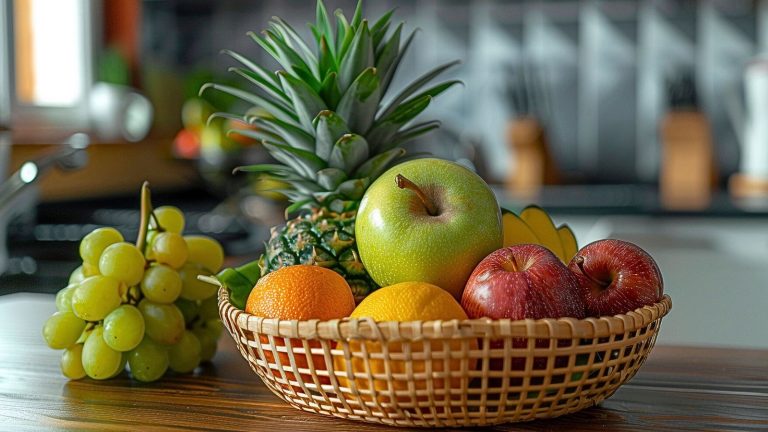
Eat With the Seasons
Eating seasonally isn’t restrictive; it’s grounding. When you choose naturally available foods, you’re supporting local farmers and reducing the environmental cost of long-distance shipping.
Seasonal eating also encourages variety. It’s a quiet reminder that food doesn’t need to be available all the time to be enjoyable.
Make One Thing Instead of Buying It
This could be a cleaning spray, candles, or even a simple repair instead of a replacement. Choosing one item to make yourself cuts down on packaging, saves money, and builds confidence.
It doesn’t have to become a personality trait. One homemade thing is enough to change perspective.
Bake One Staple Food at Home
Choose one thing you buy often, bread, snacks, yogurt, or treats, and try making it yourself. Homemade staples reduce packaging waste and build confidence in the kitchen.
It doesn’t have to be every week. Even an occasional effort changes how you shop and consume.
Start Composting What You Can
Composting turns waste into a resource and reduces what ends up in landfills. Whether it’s a backyard pile, a countertop bin, or community compost, returning food scraps to the soil closes a loop that modern life usually leaves open.
It’s not glamorous, but it works quietly in the background—much like sustainability itself.
Reduce Single-Use Plastics in One Area of Your Life
Trying to eliminate all plastic at once can feel overwhelming. Instead, pick one place to start: grocery shopping, kitchen storage, personal care, or cleaning supplies.
Small swaps like reusable bags or refillable bottles add up faster than you think.
Switch to Paper Over Plastic When Possible
Choosing paper-based products instead of plastic helps reduce long-term environmental damage. Paper breaks down more easily and is often recyclable or compostable.
This works best when applied gradually, not all at once.
Learn to Fix or Mend Before Replacing
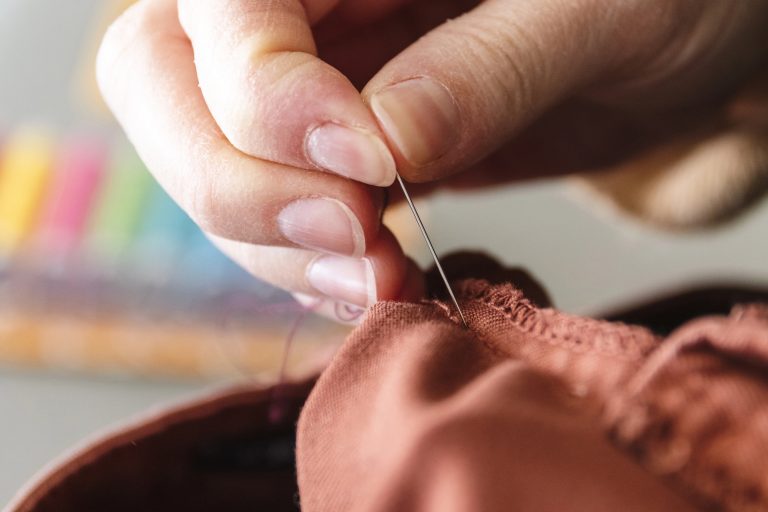
Mending clothes, fixing a loose handle, or repairing something small keeps items in use longer and out of landfills. It also shifts the mindset from “replace” to “maintain.”
You don’t need to master every skill. Knowing a few basics is enough to make a difference.
Declutter With Intention, Not Guilt
Sustainability isn’t about owning nothing; it’s about owning what you use. Decluttering thoughtfully helps reduce overconsumption and makes you more mindful of what you bring into your space next.
Donate, sell, recycle, or repurpose when possible. Letting go responsibly matters.
Learn One Skill That Makes You More Self-Reliant
Cooking from scratch, basic first aid, sewing a button, preserving food, or gardening all reduce dependence on disposable systems. Each skill adds resilience, which is a quiet form of sustainability.
Learning something practical builds confidence as much as it helps the planet.
Use Natural Remedies When Appropriate
Homemade remedies like elderberry syrup, herbal teas, or fire cider can reduce reliance on disposable packaging and unnecessary products. This isn’t about replacing modern medicine; it’s about learning options.
Involve Kids in Sustainable Habits
Gardening, cooking, composting, repairing—when kids are involved, sustainability becomes normal instead of forced. Shared responsibility creates awareness without pressure.
Small lessons stick longer than lectures.
Involve Kids in Sustainable Habits
Gardening, cooking, composting, repairing—when kids are involved, sustainability becomes normal instead of forced. Shared responsibility creates awareness without pressure. Small lessons stick longer than lectures.
Support Local When It Makes Sense
Buying from local farmers, makers, and businesses strengthens your community and reduces the environmental cost of shipping. Even choosing local food once a week makes an impact over time.
Let Sustainability Be a Practice, Not a Performance
A sustainable lifestyle isn’t about doing everything right. It’s about noticing where you can do better and choosing that option more often.
The resolutions that last aren’t loud. They show up slowly, shape habits quietly, and become part of the life you’re already living. And by the end of the year, those small choices add up to something meaningful—without ever needing a big announcement.