Plastic is so normal in daily life that most of us don’t notice it anymore. It shows up in what we wear, what we cook with, what we store food in, and what we use to clean our homes. But a growing body of research is making one thing harder to ignore: plastic doesn’t disappear, it breaks down.
Stanford Medicine reports that microplastics have now been detected in air, water, food, and throughout the human body, including in blood, organs, and early-life biological samples. Public concern has increased as studies document how widespread exposure has become, even as scientists work to understand better what that exposure means for long-term health.
At the same time, major health and regulatory organizations urge balance. The U.S. Food and Drug Administration notes that current scientific evidence has not demonstrated that the levels of microplastics or nanoplastics detected in foods pose a direct risk to human health. However, the agency also acknowledges that limited data and inconsistent measurement methods make it difficult to draw firm conclusions.
This uncertainty leaves many households navigating a middle ground: staying informed without panic, and making practical choices where exposure is most likely to occur, particularly in areas involving heat, friction, and frequent use.
What Are Microplastics?
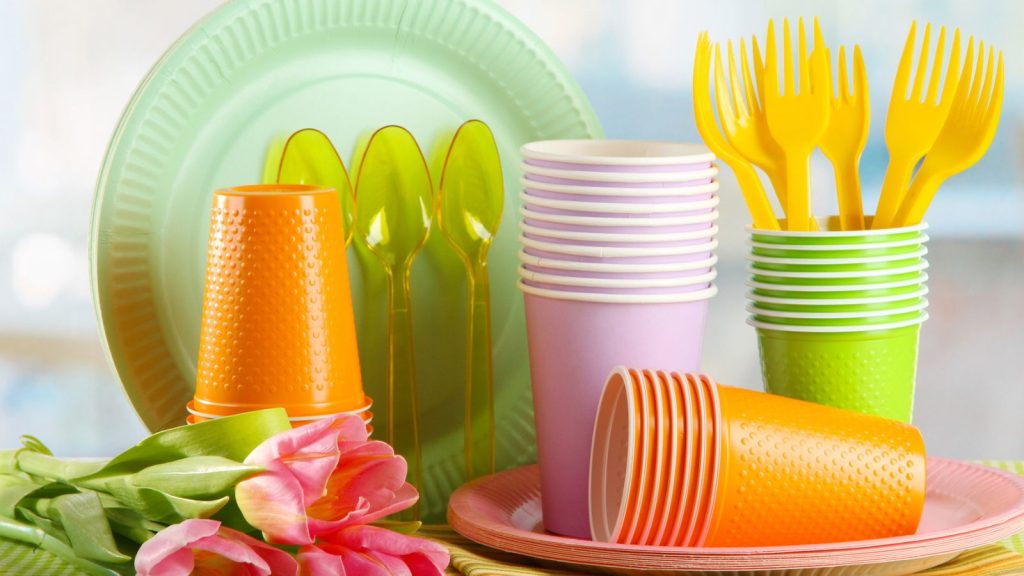
Microplastics are small plastic particles, typically defined as fragments less than 5 millimeters in length. They originate either from the breakdown of larger plastic products, such as packaging, textiles, and household items, or from plastics intentionally manufactured in small sizes for use in consumer goods.
Stanford Medicine explains that plastic never fully biodegrades; instead, it fragments into smaller particles that can persist indefinitely in the environment. As a result, microplastics have been found across ecosystems worldwide and throughout the human body.
Microplastics are now present in everyday exposure pathways, including dust, food, water, clothing fibers, cosmetics, cleaning products, and even the air we breathe. Researchers are particularly concerned about nanoplastic particles smaller than 1 micrometer, which may enter cells and interact with biological processes.
The reality is that microplastics are now part of everyday life. While scientists continue to study what long-term exposure means, understanding where these particles come from is an important first step for households looking to reduce unnecessary contact where possible.
Common Household Items That Can Shed Microplastics
Clothing Made From Synthetic Fabrics
Synthetic fibers like polyester, nylon, and acrylic are now common in everything from athletic wear to everyday basics. During washing and drying, these materials shed microscopic fibers that can enter wastewater systems and settle into household dust. Over time, this makes textiles one of the most consistent sources of microplastics inside the home.
While replacing an entire wardrobe isn’t realistic, being more selective when buying new clothing can make a difference. Choosing natural fibers when possible and avoiding fabrics that visibly shed or rely heavily on decorative elements like glitter or sequins can help limit fiber release over time.
Bedding and Soft Furnishings
Sheets, comforters, pillows, and upholstered furniture made with synthetic materials can also contribute to microplastic buildup indoors. These items shed fibers gradually through daily use and laundering, adding to airborne dust and lint.
Opting for bedding made from cotton, linen, wool, or other natural fibers when it’s time to replace worn-out items can reduce ongoing shedding. Regular cleaning, especially in bedrooms, also helps limit dust accumulation in living spaces.
Dryer Lint and Dryer Sheets
Much of the microplastic shed during laundry ends up trapped in dryer lint. While it’s difficult to eliminate this exposure, keeping lint traps clean helps prevent fibers from circulating back into the air.
Single-use dryer sheets, which are often made from synthetic materials, can add to the problem. Reusable alternatives like wool dryer balls reduce friction during drying and can help limit how many fibers break free.
Household Dust
Microplastics don’t just come from one source; they accumulate from clothing, furniture, carpets, and bedding, eventually settling into household dust. Because these particles can be inhaled, dust becomes one of the most common pathways for everyday exposure.
Simple habits like vacuuming regularly, wet-dusting surfaces instead of dry dusting, and improving indoor air circulation can help reduce how much dust and the microplastics it contains linger in the home.
Plastic Food Storage and Reheating Containers
Plastic food-storage containers can release particles over time, especially when scratched, aged, or heated. Microwaving food in plastic increases the likelihood that plastic and its chemical additives will migrate into the food.
Many households are reducing exposure by reserving plastic containers for cold storage only and switching to glass or stainless steel for reheating and long-term storage, particularly for oily or acidic foods.
Plastic Cooking Tools and Cutting Boards
Plastic spatulas, spoons, and cutting boards are repeatedly heated and subjected to friction, which can cause small fragments to wear away. The grooves left behind on plastic cutting boards are physical signs of material loss, and those particles can end up in food.
Using wooden, bamboo, or stainless-steel tools and replacing heavily worn plastic items helps reduce the amount of plastic introduced during food preparation.
Personal Care Products and Cosmetics
Some cosmetics and toiletries contain plastic-based ingredients that function as binders, thickeners, or smoothers. These ingredients aren’t always easy to identify, but products designed for long wear or high durability often rely on synthetic polymers.
Choosing products with simpler ingredient lists and being cautious with items that promise extended wear can help reduce exposure, especially for products applied daily.
Cleaning Products
Certain cleaning supplies contain plastic-based abrasives that contribute to microplastic pollution when washed down the drain. These particles don’t break down and can persist in waterways and ecosystems.
When possible, opting for non-abrasive cleaners and brands that clearly disclose their ingredients helps limit unnecessary plastic use during routine cleaning.
Tea Bags and Single-Use Beverage Containers
Some tea bags and disposable “paper” cups are reinforced or sealed with plastic, which can release microplastics when heated to boiling. For people who drink tea or hot beverages daily, this can become a repeated source of exposure.
Loose-leaf tea brewed with a stainless-steel infuser or verifying that tea bags are plastic-free are small adjustments that can significantly reduce contact with plastics and heat.
Dental Floss and Toothbrushes
Many flosses are made from nylon or PTFE-based materials, and toothbrush bristles are typically nylon as well. Over time, especially with aggressive brushing or worn bristles, these items can shed tiny fibers.
Switching to plant-based or biodegradable floss options and replacing toothbrushes regularly helps reduce shedding while maintaining oral hygiene.
How Worried Should You Be?
It’s reasonable to feel unsettled by the widespread presence of microplastics. But it’s also important to stay grounded. The FDA says the current evidence does not demonstrate a proven health risk from the levels detected in foods, and also emphasizes how measurement limitations complicate conclusions.
A practical middle path is to focus on high-impact, low-effort changes—especially around heat + plastic, and fiber shedding + dust—without trying to eliminate plastic overnight.
The Small Swaps That Add Up
If you want the simplest starting point, guidance boils down to: reduce plastic use when you can, especially single-use plastics; avoid plastic cookware and reheating in plastic; and be mindful that heat and wear increase exposure.
That’s a plan you can actually live with, one swap at a time.