
Early spring is the perfect time to take advantage of nature’s freshest offerings. As the seasons shift, a variety of fruits and vegetables start to reach their peak before the summer heat settles in.
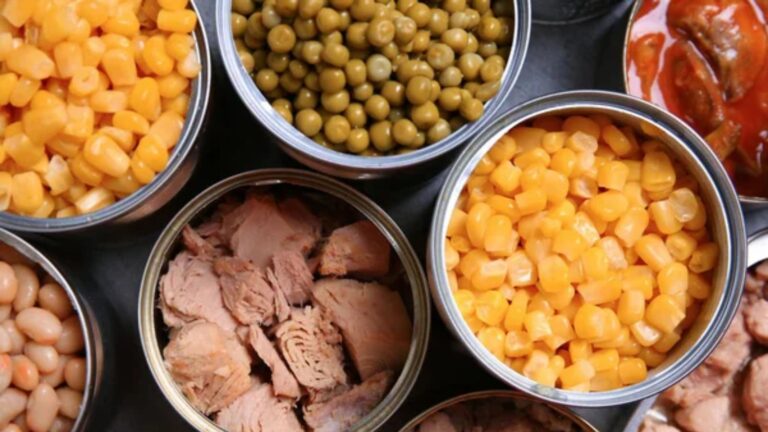
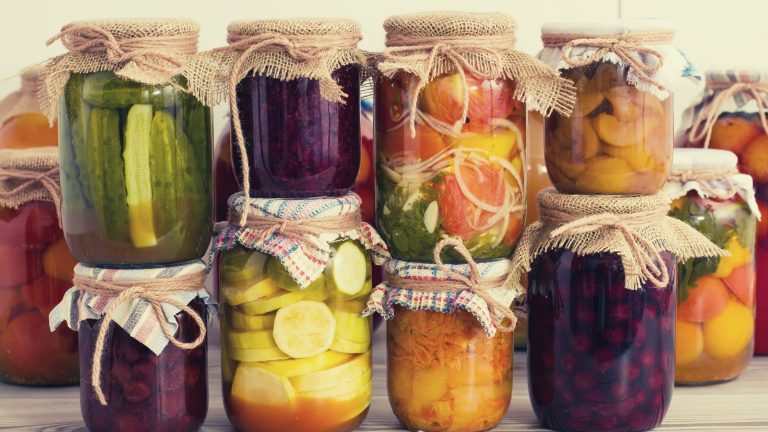
This is the ideal time to enjoy these seasonal fruits and veggies and stock up while they are at their best. Whether you prefer freezing, drying, or canning, preserving spring’s bounty ensures you have access to delicious, nutrient-rich produce long after the season passes.
If you’re looking to fill your kitchen with the best seasonal produce, here are the top picks to grab while they’re fresh.
Asparagus

Asparagus is a great source of fiber, folate, and vitamins A, C, E, and K. It supports healthy digestion and skin. Freezing asparagus is the best way to maintain the most nutritional value. Blanch and then freeze.
Spinach

Spinach is rich in iron, calcium, vitamins A and C, and antioxidants. It promotes eye health and strengthens bones. Freezing
Radishes

Radishes are low in calories and high in vitamin C and fiber. They support immune function and digestive health. Unfortunately,
Leeks

Leeks are packed with vitamins A, C, and K, and a good source of manganese. They promote heart health and have anti-inflammatory properties. Freezing leeks is your best option.
Brussels Sprouts

Brussel Sprouts are high in fiber, vitamins C and K, and antioxidants. They aid in digestion and help boost the immune system. These are pretty versatile for preserving. Freezing and canning are good options and some people choose to pickle them.
Arugula

Arugula is a leafy green rich in calcium, potassium, and vitamins A and K. It’s great for bone health and maintaining healthy blood pressure. Leafy greens don’t store well. In fact, once harvested, they’ll only last a week or two, but enjoy them fresh.
Cauliflower

Cauliflower offers high levels of vitamin C and fiber. It supports immunity and digestive health. Freezing cauliflower is an excellent option. It maintains much of the flavor and works great for stir-fry or steamed.
Carrots

Carrots are loaded with beta-carotene, fiber, and vitamin A. They are essential for eye health and skin. If you have a root cellar, this root crop will last for months in a cool spot. Freezing, canning, or dehydrating are also options.
Chard

Chard is high in vitamins A, C, and K, as well as magnesium and potassium. It supports muscle and bone health. With it being another leafy veggie, it doesn’t preserve well. You can, but it is often mushy and just lacks flavor.
Strawberries
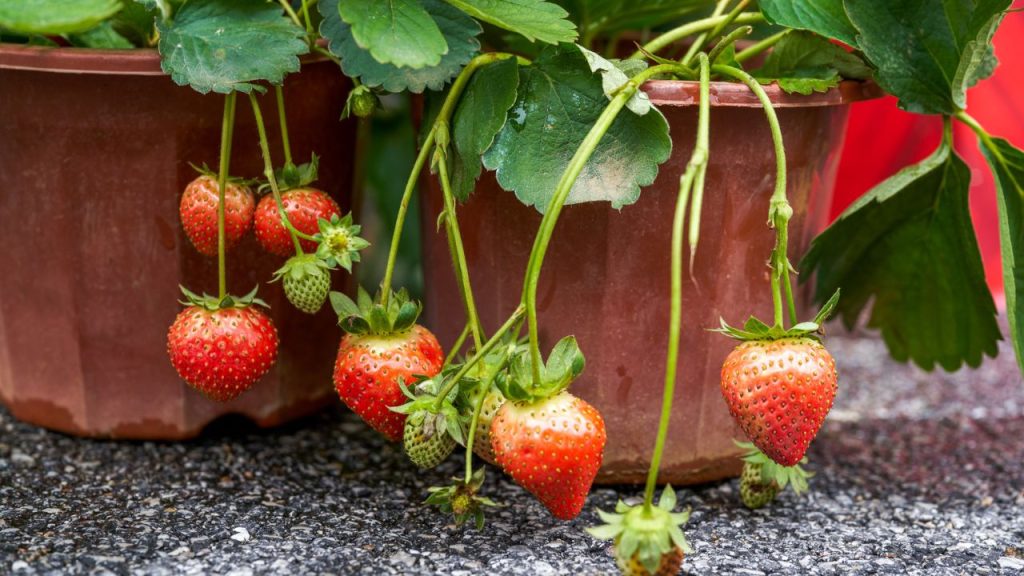
A rich source of vitamin C, manganese, and antioxidants. They help improve skin health and reduce inflammation. Strawberries can be preserved in every way, and they maintain flavor.
Sweet Potatoes

Sweet potatoes are packed with vitamins A and C, potassium, and fiber. They promote digestive health and immune function. They are excellent frozen or canned. Although they won’t last as long as a Russett potato, they can last in a cool, dry place for months.
Peas
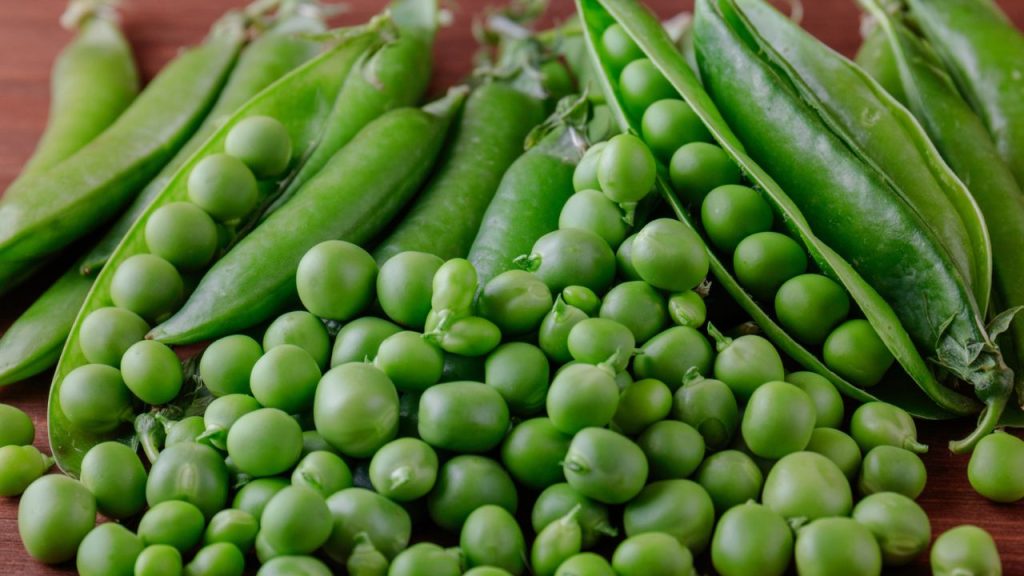
Peas are rich in protein, fiber, and vitamins A and K. They help build muscle and support digestive health.
Rhubarb

Rhubarb is high in vitamin K and fiber. It supports bone health and aids digestion. This can be made into jams, jellies or frozen.
Cabbage

Cabbage is full of vitamin C and fiber, which help improve digestive health and immune function. Typical methods are not a great option because it is a leafy green. But it makes great sauerkraut.
Fennel

Fennel contains fiber, vitamin C, and potassium. It supports digestion and can help reduce bloating. While everything is fresh, you can preserve fennel using traditional methods. However, it doesn’t hold up well in the canning process.
28 Pantry Staples You’ll Be Surprised to Learn Are This Easy to Make at Home

What if you could make your favorite pantry staples at home instead of buying them at the store? Making things from scratch is a simple way to rely less on grocery stores and have more control over what’s in your food.
28 Pantry Staples You’ll Be Surprised to Learn Are This Easy to Make at Home
12 Clever Ways to Use Up Leftover Orange Peels

The next time you peel an orange, think twice before tossing the peel. While many people see the peel just as something to throw away, it can actually be useful for things like skincare, cleaning, and cooking- proving that the outer layer of this popular fruit is as beneficial as its nutritious interior.
12 Clever Ways to Use Up Leftover Orange Peels
20 Tasty Bruschetta Recipes That Are Super Easy to Make

With 20 recipes, you’ll find plenty of inspiration to impress your guests without requiring much time in the kitchen.
20 Tasty Bruschetta Recipes That Are Super Easy to Make
23 Bell Pepper Dishes That Taste Incredible

From easy to healthy, these dishes highlight the beautiful colors and flavors of yellow, green, and red peppers, proving that nothing beats the sweetness and crispness of a freshly picked pepper. Here are 23 recipes to try.