Hydroponic systems provide an innovative and efficient way to grow plants without soil, using a nutrient-rich water solution instead. While soil is not needed, a growing medium often plays a vital role by supporting plant roots and helping regulate moisture, oxygen, and nutrient availability.
With a wide range of growing media available, choosing the right one for your hydroponic setup can be challenging. Each medium has unique properties that impact plant growth and system performance.
This guide will explore the most commonly used hydroponic growing media, outlining their benefits and drawbacks to help you select the best option for your plants and system.

The Role of Growing Media in Hydroponics
In hydroponic systems, the growing medium serves several essential functions, even though plants are primarily nourished through a nutrient-rich water solution. Its key roles include:
- Providing Structural Support: The medium helps anchor plants in place, preventing them from tipping over—especially those with fragile stems.
- Retaining Water and Nutrients: It holds moisture and nutrients, allowing plant roots to absorb what they need for healthy growth.
- Ensuring Proper Aeration: A well-chosen growing medium allows oxygen to reach the roots, preventing waterlogging and promoting strong root development.
- Reducing Disease Risk: The Role of Growing Media in Hydroponics
- In hydroponic systems, the growing medium serves several essential functions, even though plants are primarily nourished through a nutrient-rich water solution. Its key roles include:
- Providing Structural Support: The medium helps anchor plants in place, preventing them from tipping over—especially those with fragile stems.
- Retaining Water and Nutrients: It holds moisture and nutrients, allowing plant roots to absorb what they need for healthy growth.
- Ensuring Proper Aeration: A well-chosen growing medium allows oxygen to reach the roots, preventing waterlogging and promoting strong root development.
- Reducing Disease Risk: The Role of Growing Media in Hydroponics
- In hydroponic systems, the growing medium serves several essential functions, even though plants are primarily nourished through a nutrient-rich water solution. Its key roles include:
- Providing Structural Support: The medium helps anchor plants in place, preventing them from tipping over—especially those with fragile stems.
- Retaining Water and Nutrients: It holds moisture and nutrients, allowing plant roots to absorb what they need for healthy growth.
- Ensuring Proper Aeration: A well-chosen growing medium allows oxygen to reach the roots, preventing waterlogging and promoting strong root development.
- Reducing Disease Risk: A clean, high-quality growing medium minimizes the chances of pathogens spreading, creating a healthier environment for plants.
Types of Growing Media for Hydroponics
Choosing the right growing medium is essential for a successful hydroponic system. Each type offers different water retention, aeration, and nutrient-holding properties. Below are some of the most commonly used hydroponic growing media, along with their benefits and potential drawbacks.
Coco Coir

Coco coir is a natural byproduct of coconut husks, offering excellent water retention and a sustainable alternative to traditional soil. It holds essential nutrients like nitrogen, calcium, and phosphorus while promoting a healthy root environment.
- Pros: Retains moisture well, renewable, biodegradable
- Cons: Holds too much water on its own—often mixed with
perlite orclay pellets to improve drainage
Rockwool
Rockwool is made by melting rock and spinning it into fibers, forming cubes ideal for hydroponic growth. Its aerated structure helps regulate moisture and temperature.
- Pros: Provides excellent moisture retention and aeration, good for seed starting
- Cons: Non-biodegradable, energy-intensive production, can irritate skin and lungs
Peat Moss
Peat moss is a fibrous, organic material that holds large amounts of water and nutrients, making it useful for hydroponics. It’s commonly used in plugs or mixed with other media.
- Pros: Retains moisture well, aerates when mixed with
perlite orvermiculite - Cons: Breaks down over time, contributing to soil acidity; harvesting is not environmentally sustainable
Perlite
Perlite is a lightweight, volcanic glass that improves aeration and drainage in hydroponic systems. It is often mixed with other media to enhance root oxygenation.
- Pros: High oxygen retention, lightweight, reusable
- Cons: Can float away in certain hydroponic systems, requires careful handling to avoid dust inhalation
Clay Pellets (LECA)

Expanded clay pellets, also called lightweight expanded clay aggregate (LECA), are porous and provide good aeration. They allow for effective drainage while offering stability to plant roots.
- Pros: Reusable, stable, prevents overwatering
- Cons: Does not retain moisture well, heavier than other media
Gravel
Gravel is an inexpensive and easily accessible hydroponic medium, commonly used in DIY setups. However, it does not retain moisture well.
- Pros: Affordable, long-lasting, provides stability
- Cons: Poor water retention, requires frequent watering, can be heavy
Pumice
Pumice is a naturally occurring volcanic rock with a porous structure that holds both water and air, making it a suitable growing medium.
- Pros: Lightweight, retains water while allowing airflow
- Cons: Quality varies, may need to be combined with other media for optimal performance
Rice Hulls
Rice hulls are an agricultural byproduct that can improve soil aeration and moisture retention. They are eco-friendly but decompose quickly.
- Pros: Sustainable, affordable, retains moisture
- Cons: Short lifespan, may introduce unwanted microorganisms
Sand
Sand is widely available and inexpensive but does not retain nutrients or water well, requiring constant irrigation.
- Pros: Affordable, readily available
- Cons: Poor aeration, can clog systems, heavy and difficult to work with
Oasis Cubes
Oasis cubes are a water-absorbent phenolic foam designed for plant propagation. They provide consistent moisture and are commonly used for seedlings and cuttings.
- Pros: Neutral pH, excellent water retention, ideal for germination
- Cons: Non-biodegradable, limited use beyond early plant growth
Wood Chips
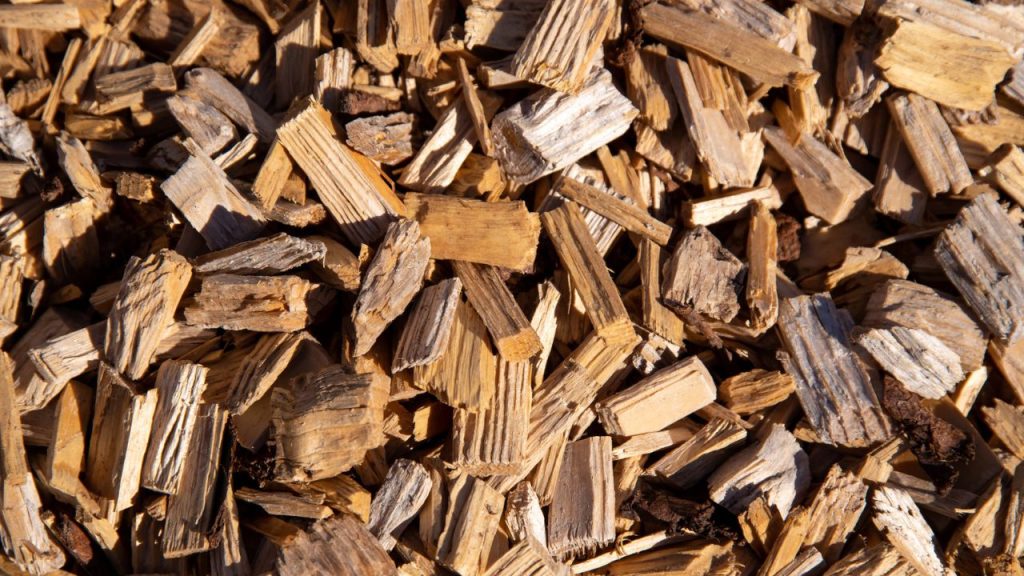
Wood chips provide good aeration and drainage but can tie up nutrients, potentially causing deficiencies in hydroponic plants.
- Pros: Sustainable, low-cost
- Cons: Can affect pH balance, may introduce fungal growth
Vermiculite
Vermiculite is a mineral-based medium with high water retention. It is often mixed with
- Pros: Holds moisture well, improves soil structure
- Cons: Less aeration than
perlite , can compact over time
Mineral Wool
Made from heated granite or limestone, mineral wool absorbs water well and provides a balanced air-to-water ratio.
- Pros: Holds moisture while allowing oxygen flow, sterile medium
- Cons: Non-biodegradable, requires proper handling due to potential irritation
Peat
Peat, particularly sphagnum peat moss, retains large amounts of moisture and provides acidity for plants that prefer lower pH levels.
- Pros: Holds water efficiently, beneficial for acid-loving plants
- Cons: Harvesting is environmentally harmful, decomposes over time
Growstones
Growstones are made from recycled glass and offer excellent aeration while retaining moisture.
- Pros: Lightweight, reusable, eco-friendly
- Cons: Can dry out quickly, requires a well-draining system
How to Choose the Best Growing Medium for Your Hydroponic System
Selecting the right growing medium is essential for plant health and system efficiency. Here are key factors to consider when making your choice:
Availability and Cost
Some media are more affordable and easier to find than others. Consider the long-term costs and availability in your area before making a decision. Reusable options like clay pellets (LECA) may offer better value over time.
Plant Needs
Different plants require different growing conditions, such as pH levels, nutrient availability, and moisture retention. Some plants thrive in well-aerated media, while others need a denser medium that retains water. Research your plants’ specific needs and choose a medium that supports optimal growth.
Hydroponic System Type
Each hydroponic system works best with specific types of growing media. For example:
Aeroponic systems benefit from lightweight, porous media to maximize aeration.
Deep Water Culture (DWC) may not require a medium at all, but a small amount can help stabilize plants.
Drip and ebb-and-flow systems often use media that retain moisture while allowing good drainage.
Water Retention
A medium that holds too much water can cause root rot, while one that drains too quickly may leave roots dry. The right choice depends on your system and plants—choose a medium that maintains balanced moisture levels.
Nutrient Retention
Some growing media hold nutrients better than others, reducing the need for frequent nutrient solution changes. Look for a medium that retains nutrients while allowing proper drainage and aeration.
Sterility
To prevent disease and contamination, use a medium free from pathogens and pests. Some materials, like rockwool, are naturally sterile, while others, like coco coir, should be rinsed and treated before use.
Pros and Cons of Using Hydroponic Growing Media
Advantages
- Faster Growth & Higher Yields – Hydroponic media provide an optimal balance of water, oxygen, and nutrients, allowing plants to grow faster and produce larger yields than in soil.
- Efficient Resource Use – Hydroponic systems use less water and nutrients by delivering them directly to plant roots, reducing waste and increasing sustainability.
- Fewer Pests & Diseases – Since hydroponic media are often sterile, the risk of soil-borne pests and diseases is significantly reduced.
- Better Control Over Growth Conditions – Growers can precisely manage pH, nutrients, and environmental factors, tailoring conditions for optimal plant health.
- No Soil Contamination – Without soil, there is no risk of exposure to harmful pathogens, heavy metals, or other contaminants.
Disadvantages
- Higher Costs – Some hydroponic growing media can be more expensive than traditional soil, particularly for larger setups.
- Regular Maintenance Needed – Media must be kept clean, and nutrient solutions require monitoring to prevent imbalances.
- Risk of Clogging – Fine or degrading media can cause blockages in the system, requiring careful selection and maintenance.
- Less Room for Error – Mistakes in nutrient levels or watering schedules can quickly impact plant health, as the media provide direct root access.
- Limited Crop Suitability – While most plants thrive in hydroponics, some crops may not adapt well without the natural support and complex nutrients found in soil.
Frequently Asked Questions
Do All Hydroponic Systems Require a Growing Medium?
Not all hydroponic systems rely on a growing medium. While many use one to support plant roots, some systems function entirely without it. Here are a few examples:
- Nutrient Film Technique (NFT): Plants grow in channels where a thin stream of nutrient-rich water continuously flows over the roots. No growing medium is needed, as the roots remain exposed to water and air.
- Aeroponics: In this system, plant roots are suspended in the air and misted with a nutrient solution. Since the roots receive moisture and nutrients directly, no growing medium is used.
- Deep Water Culture (DWC): Plants are placed in net pots with their roots submerged in a nutrient-rich solution. While some growers add a small amount of medium for stability, it is not essential for plant growth.
These systems demonstrate that hydroponic growing can be successful with or without a growing medium, depending on the setup and plant needs.
What is the best growing medium for hydroponics?
There is no one-size-fits-all answer to this question, as the best-growing medium depends on the specific needs of your plants and hydroponic system. Common growing media include rockwool, coco coir,
Can I reuse my hydroponic growing medium?
Yes, many hydroponic growing media can be reused multiple times, such as rockwool, coco coir, and
Can I mix different types of growing media in my hydroponic system?
Yes, you can mix different types of growing media in your hydroponic system to create a customized growing environment. However, it’s important to ensure that the growing media are compatible and that the mix allows for proper drainage and aeration.
How often should I replace my hydroponic growing medium?
The frequency of replacing your hydroponic growing medium depends on several factors, such as the type of growing medium used, the plants being grown, and the overall health of your system.
Over time, growing media can break down or become compacted, reducing its effectiveness in supporting healthy plant growth. Monitor the condition of your growing medium and replace it as needed.
What is the difference between hydroponic media and soil?
The main difference between hydroponic media and soil is that hydroponic media is a soil-less growing medium, while soil comprises organic matter, minerals, and microorganisms. Hydroponic media is typically inert, meaning it does not contain any nutrients, whereas soil contains a natural supply of nutrients for plants.
Another key difference is that hydroponic media allows for more control over the plant’s growing environment, including the growing solution’s pH level and nutrient concentration. This can help plants grow more efficiently and yield more than traditional soil-based methods.
Do I need to sterilize hydroponic media before using it?
It is generally recommended that hydroponic media be sterilized before use to prevent the growth and spread of harmful pathogens or contaminants.
Sterilization can be done through various methods, such as baking, steaming, or sterilizing. It is important to follow the manufacturer’s recommendations for sterilizing the specific type of hydroponic media you are using.