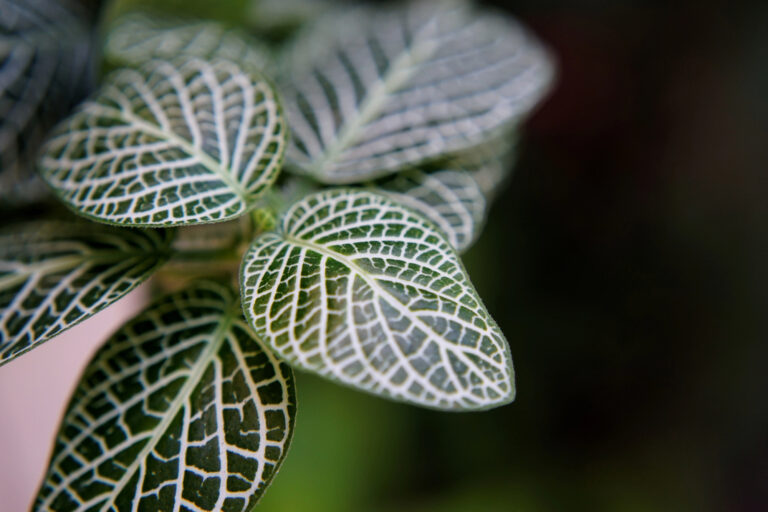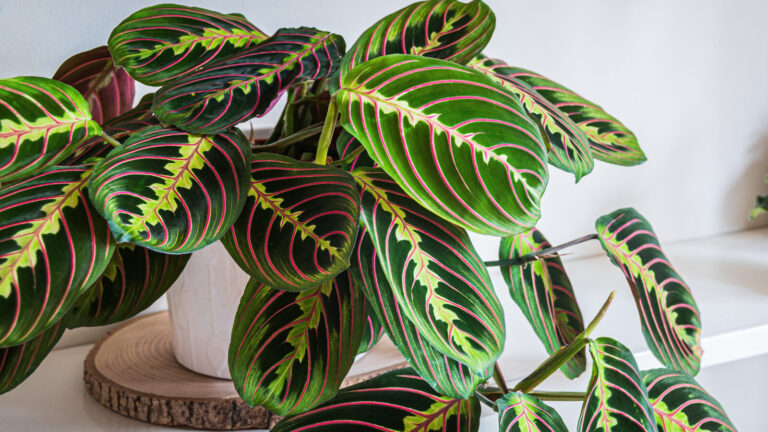

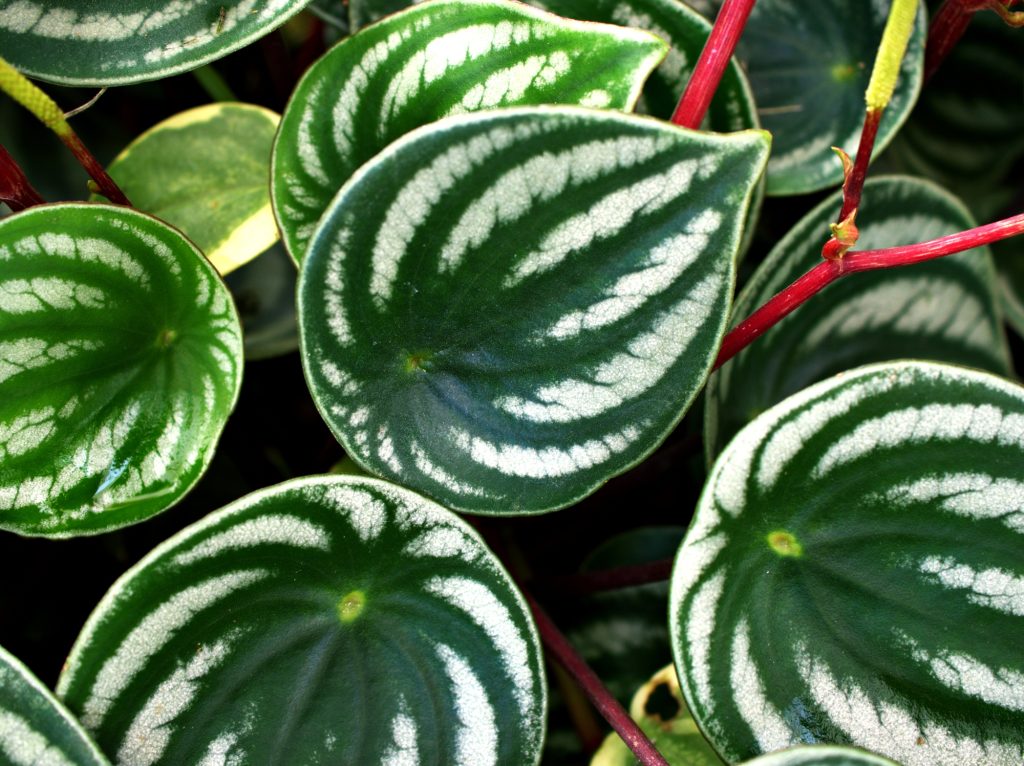
With its colorful green and white striped leaves resembling a watermelon rind, the watermelon peperomia (Peperomia argyreia) is an easy-to-grow houseplant. This compact perennial epiphyte is native to South America and thrives indoors with minimal care. Watermelon peperomia plants have fleshy leaves that store water, allowing the plant to withstand drought. Their small size also makes them suitable for terrariums and dish gardens.
We are sharing everything you need to know to plant, grow, and successfully care for watermelon peperomia.

About Watermelon Peperomia
The watermelon peperomia is a compact houseplant cherished for its ornamental foliage. This plant’s oval-shaped leaves have distinctive striping akin to a watermelon rind, featuring dark green stripes over a light green background. The leaves are thick and succulent, storing water to help the plant withstand drought.
Native to the tropical rainforests of South America, watermelon peperomia thrives in warm, humid environments with high moisture. In their natural habitat, these epiphytic plants grow on trees and rocks amidst dappled light filtering through the forest canopy. They utilize aerial roots to cling to surfaces and absorb moisture and nutrients.
When grown as houseplants, watermelon peperomia typically reach 6 to 12 inches in height. Their mature size makes them well-suited for containers and terrariums, where their trailing stems can spill over the edges. Propagation is possible from both stem cuttings and leaf cuttings. This versatility adds to their popularity as indoor plants.
Watermelon peperomia requires little maintenance when grown in ideal conditions. Providing ample warmth, humidity and bright indirect light will keep your plant healthy and encourage lush growth. Allow the soil to partially dry out between waterings and fertilize monthly during the growing season. With the proper care, this eye-catching plant can thrive for years in any home.
How to Care for Watermelon peperomia
Watermelon peperomia is a compact, low-maintenance houseplant with striking, striped foliage that thrives indoors. With proper care, it can flourish in containers and terrariums.
Provide the Right Light and Temperature
Place your watermelon peperomia in bright, indirect light. A south- or west-facing window is ideal, but keep it shielded from direct midday sun to prevent leaf scorch. It grows best in moderate household temperatures between 65-80°F.
Use Well-Draining Soil
A light, well-draining potting mix, such as peat-based soil with added
Water with Care
Water thoroughly when the top inch of soil is dry, allowing excess water to drain. Let the soil dry slightly between waterings to prevent overwatering. If the leaves droop, the plant likely needs more water. Maintaining moderate humidity levels will help mimic its tropical origins.
Fertilize During the Growing Season
Feed with a balanced liquid fertilizer diluted to half strength once a month from spring through fall. Pause fertilizing in winter when growth slows. To prevent salt buildup, flush the soil with water once a month.
Propagate Easily
Watermelon peperomia can be propagated through stem or leaf cuttings. Let cuttings dry for a few hours before planting in soil. Keep them warm and moist until new growth appears. Regular propagation helps maintain a bushy shape.
Boost Humidity
To keep humidity at an optimal 40-50%, place the pot on a pebble tray filled with water or use a humidifier. This helps recreate its native tropical environment.
Prune for Shape and Growth
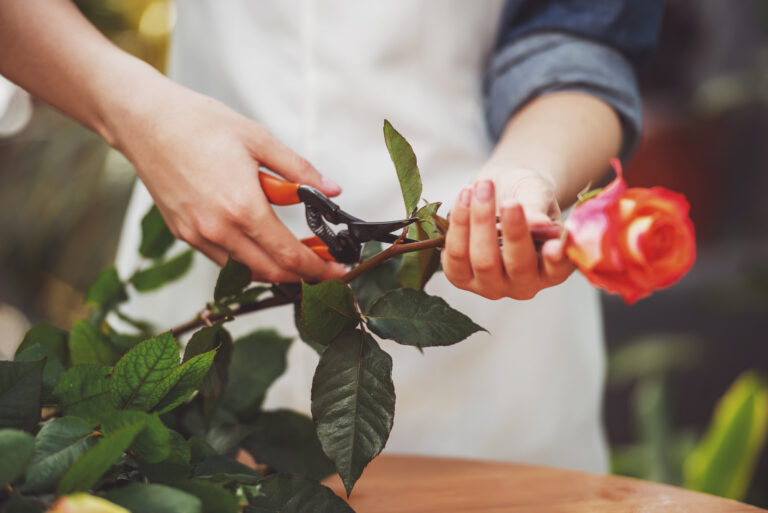
Trim leggy stems just above a node using sterile shears to encourage fuller growth. Regular pruning maintains its compact, attractive form.

Watering Needs
Watermelon peperomia prefers soil that stays slightly moist but never soggy. Allow the top inch of soil to dry before watering, then soak thoroughly until water drains from the bottom. Avoid letting the soil dry out completely, as the leaves will wrinkle and droop when underwatered. Overwatering, especially in compact soil, can lead to root rot.
To maintain humidity, mist the leaves daily or place the pot on a pebble tray with water. Dry indoor air can cause brown leaf tips, so aim for a humidity level of 40-50%.
Optimal Temperature
This plant thrives in warm conditions between 65-80°F. During winter, keep temperatures above 50°F to prevent stress. Avoid placing the plant near drafts, air vents, or heating sources. If temperatures exceed 80°F, provide shade to prevent leaf scorch.
Boosting Humidity
As a tropical plant, watermelon peperomia prefers moderate to high humidity. If indoor air is dry, increase moisture levels with a humidifier, frequent misting, or a pebble tray. Without enough humidity, the leaves may dry out and develop brown edges.
Fertilizing for Healthy Growth
Feed monthly with a balanced liquid fertilizer diluted to half strength during the growing season (spring through fall). Skip fertilizing in winter when growth slows. To prevent salt buildup in the soil, flush it with clean water every four weeks. This helps prevent root damage from excess minerals.
Best Soil and Repotting Tips
Use a light, well-draining potting mix enriched with
Choose a pot only 1-2 inches larger than the current one to avoid excess moisture retention. Always use a pot with drainage holes to prevent root rot. The best time to repot is in spring, just before active growth begins.
Pruning for Shape and Health
Regular pruning helps maintain the plant’s compact form. Trim leggy stems just above a node to encourage bushier growth. Remove yellowing, damaged, or overgrown leaves to improve air circulation. After flowering, cut back spent blooms to keep the plant looking tidy.
Pest Prevention and Treatment
Watermelon peperomia is occasionally affected by spider mites, mealybugs, and scale. Watch for signs like stippling, webbing, or cottony masses on the leaves. Remove pests manually with a cotton swab dipped in alcohol or use
Choosing the Right Pot and Soil
A well-draining pot and soil mix are crucial for healthy growth. Repotting every few years ensures the plant has fresh nutrients and prevents compacted soil from holding too much moisture. Stick to lightweight, aerated potting mixes and containers with drainage holes to keep roots thriving.
How to Propagate Watermelon Peperomia?
Watermelon peperomia is easily propagated by division or leaf cuttings. Propagating these plants allows you to multiply your collection while maintaining desired traits like leaf patterns and form.
Division Techniques
Mature watermelon peperomia plants will often produce new rosettes of leaves called «pups» from the base or leaf nodes. These pups can be divided to produce new individual plants. Carefully separate pups from the parent plant using a sterile, sharp knife. Ensure each division has intact roots before repotting.
After dividing, plant each rosette pup in its own small container using fresh potting mix. Keep the divided propagules in warm, bright, humid conditions while they root and establish. Start feeding with diluted fertilizer once new growth begins. In a few weeks, the newly divided plants can be repotted into their permanent containers.
Leaf Cuttings
Watermelon peperomia can also be propagated from individual leaf cuttings. Choose a healthy leaf and cut the petiole near the stem. Allow the cut end to callous or scab over for 1–2 days. Then insert the end into moist potting mix. Multiple cuttings can be placed in one container.
Keep the leaf cuttings warm and moist until roots and new plantlets emerge in 4–8 weeks. Once established, these new propagules can be repotted separately. Leaf cuttings propagate new plants identical to the parent that supplied the leaf. Take cuttings to clone your favorite watermelon peperomia specimens.
Common Issues When Growing Watermelon Peperomia
Even with proper care, watermelon peperomia may develop issues like dropping leaves, curling, or leggy growth. Understanding these problems and their solutions will help keep your plant healthy and thriving.
Why Leaves Drop
Leaf drop is often caused by improper watering—either too much or too little.
- Underwatering: The plant needs more water if the leaves droop and the soil is dry. Thoroughly soak the soil until water drains from the bottom. Increase watering frequency to prevent future drought stress. Boost humidity, as dry air can also lead to leaf loss.
- Overwatering: Root rot may be setting in if the soil feels overly wet. Allow the soil to dry before watering again. If needed, repot in fresh, well-draining soil and reduce watering. Always check that the top inch of soil is dry before the next watering.
What Causes Curling Leaves?
Leaves curling or cupping inward usually indicate cold stress. Watermelon peperomia prefers temperatures between 65-80°F and struggles in cooler conditions.
- If exposed to cold drafts or temperatures below 60°F, the leaves may become distorted.
- Solution: Move the plant away from drafty windows and air vents. Use grow lights or a portable heater to maintain a consistent temperature above 65°F.
Why Do Leaves Crack or Split?
Cracking or splitting leaves typically result from low humidity. The delicate leaves dry out in arid indoor air, causing them to split along the edges.
- Solution: Maintain humidity levels between 40-50% using a humidifier, pebble tray, or frequent misting. This will keep the leaves hydrated and prevent further damage.
What Causes Brown Leaves?
Brown edges or spots often occur due to excessive light exposure.
- Direct sunlight can scorch the leaves, causing browning.
- Solution: Move the plant to a location with bright, indirect light. A sheer curtain can help filter intense sunlight. If the air is too dry, increase humidity to prevent further stress. Trim off any severely damaged leaves to promote healthy new growth.
Why Do Leaves Turn Yellow?
Yellowing leaves may indicate either too much direct sunlight or insufficient water.
Drought stress can also cause yellowing. Ensure the plant is watered regularly, allowing the top inch of soil to dry before the next watering. Increasing humidity can also help prevent leaf discoloration. It can encourage new healthy growth.
Too much direct sunlight can bleach the green pigment, leading to yellow leaves. Move the plant to a spot with bright but indirect light.