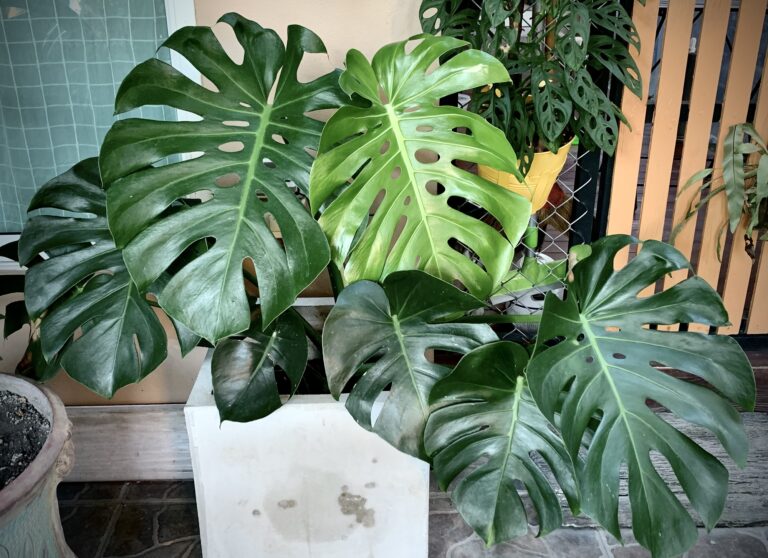

The Monstera Albo Deliciosa, also known as the White Swiss Cheese Plant, is an impressive and popular houseplant loved for its unique foliage. This exotic variety of the Monstera Deliciosa species sports gorgeous white markings on its leaves, making it stand out from the typical all-green Monstera.
Here’s a guide on how to best care for this wonderful houseplant.

What is the Monstera Albo?
The Monstera Albo, also known as the White Monstera or Variegated Monstera, is a rare and unique variant of the popular Monstera deliciosa houseplant. As its name suggests, the Monstera Albo is characterized by its white variegated leaves that display stunning white or pale green patterns against the normal Monstera’s green leaves.
The variegation in the Monstera albo’s foliage is due to a lack of chlorophyll that inhibits the plant’s ability to photosynthesize in those areas. This is caused by a genetic mutation, which is why Monstera albos are relatively rare and highly coveted by houseplant enthusiasts and collectors.
The split leaves or fenestrations that Monstera plants are known for may develop more slowly on variegated Monsteras. Growth rate and size are often smaller, too. But the Monstera albo makes up for this with its truly eye-catching and unique foliage. When properly cared for, the plant can still reach sizable proportions over time.
Beyond the decorative white patterns, the Monstera albo’s basic care and needs are quite similar to the standard green Monstera deliciosa. Providing adequate lighting, water, humidity, and drainage and using a well-aerated potting mix tailored for aroids will keep your rare Monstera albo healthy and encourage it to produce those stunning variegated leaves.
The Monstera albo is an exceptionally decorative and coveted houseplant specimen amongst indoor plant nerds! Its dazzling foliage patterns give this plant an outstanding and dramatic look compared to almost any other common houseplant.
Varieties of Monstera Albo
There are several different albo varieties to appreciate, each with its own distinct leaf markings and characteristics. Here are a few popular types:
Monstera albo variegata
The most common albo variety displays white or yellow variegation randomly splashed, streaked, or sectored across the leaves. Variegation extent can range from little to extensive. This is sometimes simply referred to as the regular Monstera albo. The variegated patterns can differ dramatically among different leaves on the same plant.
Monstera albo borsigiana
This variety exhibits variegation primarily along the veins and edges of leaves, creating prominent cell-like patterns against the green centers, which provide great contrast. The centers remain entirely green, while the edges showcase the white markings. The striking shapes are bolder and cover more of the leaf surface compared to other albos.
Thai constellation
A highly sought-after albo prized for consistent white variegated stars of similar size and shape patterned across mature leaves. The stars pop brightly against the green background. The iconic star shapes are remarkably consistent and prominent when the plant matures. Propagation is challenging, which adds to the rarity and desire for this variety.
Monstera albo aurea
This variety has leaves featuring hues of lime green and golden yellow rather than white, resembling dappled sunlight. Offers a unique warm tone compared to other albos. The mix of lime and golden hues varies from leaf to leaf and resembles sunlight filtering through canopy foliage.
Shangri-La
Features variegation similar to the Thai constellation but with smaller stars across the leaves. The stars also develop faster on young leaves compared to Thai constellation. The smaller star size and quicker development make Shangri-La a bit more common and affordable to obtain among starred albos.
Mint constellation
Has a mint green variation of the iconic constellation star pattern rather than white. Provides a more subtle contrast against the leaf green than the Thai constellation. The mint green stars can resemble white from a distance but are bolder up close, setting this variety apart in its own way.
How to Grow and Care for Monstera Albo Deliciosa
Here’s how you can best care for your Monstera Albo Deliciosa.

Soil Requirements
Monstera albo needs a well-draining potting mix to prevent overwatering. A quality potting soil blended specifically for aroids and tropical plants is best. The mix should contain peat moss,
Using containers with bottom drainage holes is crucial as well. This prevents soggy soil and allows you to control moisture properly. Adding gravel, pebbles, or charcoal chunks in the pot base encourages drainage. Avoid non-draining containers since roots sitting in wet soil lead to root rot and other problems.
Light
Monstera albo requires bright, indirect light to thrive. Some early morning or late afternoon sun is fine, but harsh direct light can scorch leaves. The bright shade suits it best — near a southern-facing window filtered by sheer curtains works perfectly. Low light causes small leaf size, slower growth, and less impressive variegation.
Getting the lighting correct is crucial for Monstera albo since its variegated leaves cannot absorb as much light energy due to less chlorophyll. But plenty of moderate, indirect sun keeps it growing and looking its best. Too much shade discourages growth, while direct sunlight damages delicate foliage. Find the right balance.
Temperature & Humidity
Monstera albo thrives in average room temperature between 65-80°F. Cooler temperatures below 60°F can retard growth. This tropical plant also prefers moderately high humidity of 50-60% humidity. Use a humidifier to raise moisture levels. Keep humidity consistent since fluctuating levels risk leaf browning and damage.
Ensure proper airflow and ventilation in the room as well. Stagnant air encourages pests and diseases. Adding a small fan to create gentle air circulation prevents problems. Just avoid drafty areas or placing it near heat/AC vents where it’s blasted by hot or cold air. Stable indoor conditions keep your Monstera albo healthy.
pH Level
This plant prefers slightly acidic soil with a pH between 6.0-6.5. Using the aroid potting mix blends, as previously recommended, provides an appropriate pH level already. But if leaves show chlorosis or the soil pH shifts too high over time, amend the potting mix with sphagnum peat moss or compost. These naturally acidic materials lower pH. You can test the potting mix pH periodically with an indicator probe.
If alkalinity seems too high, water treatments can help restore proper soil pH balance. Solutions containing nitrogen fertilizer or white vinegar help acidify the root zone. Distilled water also avoids adding minerals that increase alkalinity. Managing pH prevents nutrient deficiencies and supports healthier foliage growth long-term.
Fertilizer
During the active growing season from spring through summer, use a balanced houseplant fertilizer to nurture your Monstera albo. Look for blends made specifically for tropical aroids. Apply at half-strength monthly, avoiding direct contact with leaves and stems. Reduce feeding frequency over winter when growth slows. Excess fertilizer risks burning tender roots and leaves.
You can also use a dilute Epsom salts solution once early in the growing season. This provides magnesium and boosts variegation. But Epsom salt builds up over time, so use it sparingly. Proper fertilization enhances leaf markings and speeds growth but requires a delicate balance. Follow label directions carefully.
Watering Needs
Monstera albo prefers consistently moist but not soggy soil. Allow the top inch or two of soil to dry out between waterings, and then soak thoroughly. Use containers with drainage holes and water until they run from the bottom.
Stagnant moisture risks rot and disease, but allowing pots to dry out too many causes leaf browning. Finding the right watering balance is important.
Increase water slightly in summer, when warm temperatures accelerate growth and soil drying. Reduce watering frequency over winter when growth slows. Take care not to overwater, which is easier to do than underwatering. Always check soil dryness before watering on a set schedule. Proper moisture keeps leaves looking their best.
Potting & Repotting
Repot new plants into aroid potting mix in a container one size larger than the nursery pot. Thereafter, repot every 2–3 years in early spring before major growth resumes. Move to a slightly larger pot only when rootbound. Monsteras resent frequent repotting or oversized containers. When repotting established plants, loosen tangled roots but keep about 1/3 of the old soil to minimize transplant shock.
Choose containers with bottom drainage. Add pebbles, gravel, or charcoal in the base to enhance drainage since Monstera albo hates sitting in wet soil. Terra-cotta pots also wick away moisture well. Avoid glazed or decorative pots without holes. Appropriate potting strategy enhances health and growth rate.
Pruning
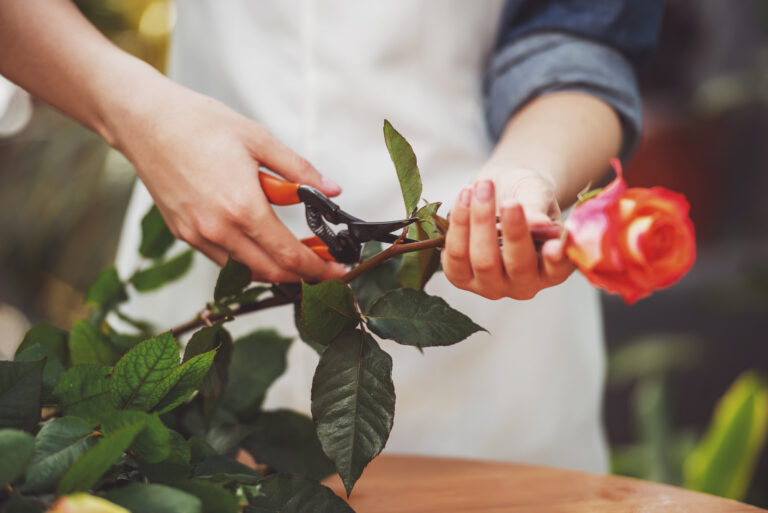
Prune off any dead, damaged, or diseased foliage close to the base of the stem. This keeps your Monstera looking its best and prevents disease spread. You can also prune overly long aerial roots or trim stems to control size and shape.
When variegation fades with age, mature leaves can be cut back to propagate new plants. This is also used to increase the stock of rare varieties. Otherwise, pruning needs are minimal for these easy-going plants. Just maintaining an attractive form with damaged removal keeps them growing strong.
Propagation
Propagating Monstera albo can be challenging since variegation may or may not carry over to new plants. Using stem cuttings with several nodes or leaves increases the chances of success. Allow cuttings to dry 1–2 days before inserting in moist propagation mix. Enclose in a clear plastic bag to maintain high humidity as they root.
Another option is air layering an aerial root still attached to the mother plant. Wrap a handful of damp sphagnum moss around the root, then enclose in plastic wrap. When roots proliferate inside this humid bundle, the new plant can be cut off to pot up.
Seeds are possible but uncommon from Monstera albo. They also revert to solid green minsteras, which typically lose all variation. Tissue culture is used commercially to clone rare varieties like Thai Constellation at a high cost. For home growers, stem cuttings or air layering are the best-variegated propagation methods.
Common Problems with Monstera Albo Plant
Even when provided ideal care, Monstera albo plants can suffer from serious issues similar to many other houseplants. Their striking variegated foliage can be sensitive to environmental stresses. Here are some issues your houseplant might experience.
Drooping Leaves
If your Monstera albo foliage starts drooping or sagging down, it likely needs more water. Check the soil moisture by sticking it on your finger. If the top few inches are dry, water thoroughly until it drains from the bottom drainage holes. Allowing plants to dry out too much causes the leaves to limp temporarily as cells lose turgidity.
Overwatered plants may also droop if roots are damaged by excess moisture, leading to root rot. Check that the soil can properly drain and isn’t staying soggy for prolonged periods. Improve drainage by repotting in fresh mix. You can prune affected mushy roots before replanting. Avoid watering again until the soil partly dries.
Yellow Leaves
Leaves turning fully or partly yellow is called chlorosis. This is often caused by overwatering, poor drainage leading to root problems, or nutrient deficiencies. Check at the soil level for signs of damage. Resolve drainage issues and don’t overwater while plants recover. Boost humidity levels as well.
If older leaves at the bottom are yellow, this can be natural aging as lower foliage drops in favor of new growth. But if many leaves rapidly turn yellow, ensure proper light and fertilization are provided. Yellow spots usually indicate a micronutrient deficiency. Use a balanced fertilizer to restore nutrients when growth resumes.
Brown Leaves
If leaf edges or spots turn brown, the main causes are too little humidity, inconsistent watering, or sunburn. Check that humidity stays within the 40-60% range. Water more frequently in summer, then allow the soil to partly dry before the next soak. Move plants away from direct sun exposure, which scorches delicate foliage.
You can prune off individual damaged leaves at the base. Just be sure to address the underlying environmental issues first. Boost humidity via pebble trays or humidifiers if needed. Keep the watering routine consistent, without extremes of wet or dryness. Filter bright light to avoid sunscalding variegated leaves.
Losing Variegation
If your prized Monstera albo loses its white markings and reverts to solid green growth, causes include insufficient light levels, aging foliage, or propagation challenges. Move plants to a brighter location with more moderate indirect sun. Prune off older leaves to refresh plants.
When propagating albo varieties, all-green shoots are common, even taking cuttings from a variegated mother plant. Removing these non-variegated segments encourages more desirable variegated growth. You can also attempt to propagate again using different stem sections or methods, hoping for better variegation results.
Pests
Monstera albo is prone to common insects like spider mites, mealybugs, thrips, and aphids. Check leaf undersides and stem joints for bugs. Wipe leaves with
When dealing with heavy infestations, you can also use horticultural oils or insecticides labeled explicitly for edible plants. Ensure proper application and coverage of both leaf surfaces for effectiveness. Combine with sticky traps to monitor and catch adults during treatment. Prevent pests by providing good care and minimizing plant stress.
Diseases
Damp conditions encourage fungal diseases like root rot, botrytis, and bacterial blights. Improve air circulation and water drainage. Don’t overwater. Disinfect tools between plants. Remove dying roots/stems promptly to limit spread. Apply fungicide sprays after pruning out the infection. Boost light exposure and airflow to discourage diseases.
Viral infections can also cause mosaic patterns, ring spots, stunted growth, or deformity. Insects, tools, infected soil, etc transmit this. Destroy infected plants properly. Sterilize pots and tools to prevent recurrence. Start over with clean materials if serious disease issues persist despite other remedies. Preventative care is the most effective.
Growing Problems
If plants stall with small leaves and minimal gains over time, causes may be low light, poor nutrition, pests, old planting mix, or need repotting into larger containers. Review all care aspects and adjust as needed — boost fertilizer, increase sunlight, remedy pest issues.
Repot rootbound plants in fresh soil blended specifically for aroids every couple years. Tangled old roots prevent growth. Prune and repot to stimulate new activity. Propagate leggy plants for replenishment. While Monstera albo grows slower than green varieties, addressing poor conditions improves health. Patience and attentive care keep plants improving steadily.
Is Monstera Albo Toxic?
The Monstera albo plant contains insoluble calcium oxalates similar to many common houseplants and vegetables, making the plant toxic to both humans and pets if parts are ingested. All parts of the Monstera plant contain these oxalate crystals, which are most concentrated in the stems and leaves.
If chewed or swallowed, the oxalates can cause almost immediate burning and swelling of lips, tongue, mouth, and throat tissues. Possible symptoms include drooling, vomiting, difficulty swallowing, loss of appetite, and paw irritation in pets. In rare cases, toxins may also lead to more serious reactions like difficulty breathing, but this is usually only if large quantities of plant matter are consumed.
While Monstera albo’s toxicity can range from mild to dangerous if enough plant material is ingested, the irritant oxalates often deter most nibbling after the initial sting or bite. Since these plants are quite bitter and painful to chew, most pets and people quickly learn to avoid munching after the first taste. So severe toxicity is relatively uncommon.
Keeping Monstera plants out of reach from curious children and pets minimizes the chances of ingestion. Other safety precautions include supervising kids and animals closely whenever Monstera is accessible. Recognizing early symptoms of plant chewing and immediately contacting your doctor or vet maximizes successful treatment as well.
Monstera albo does contain toxins that can irritate or even poison at very high doses. However, severe reactions are relatively rare since the plant’s bitter taste and immediate irritation generally protect it from more than an initial taste in most cases. With sensible safety precautions, Monstera albo can be safely displayed without great risks to pets or families.