

Implementing permaculture principles will help you cultivate a garden that works in harmony with nature for years to come. We’ve broken the process down into simple steps to set you on the right path to gardening success!
Step 1: Observe and assess your land

Begin planning your permaculture garden by studying the sunlight patterns, wind direction, and soil conditions on your land.
Identify where existing plants thrive and what wildlife is present, and note any areas that are in the shade, waterlogged, or exposed to wind. It can be helpful to draw a simple map containing your findings.
Step 2: Plan your garden
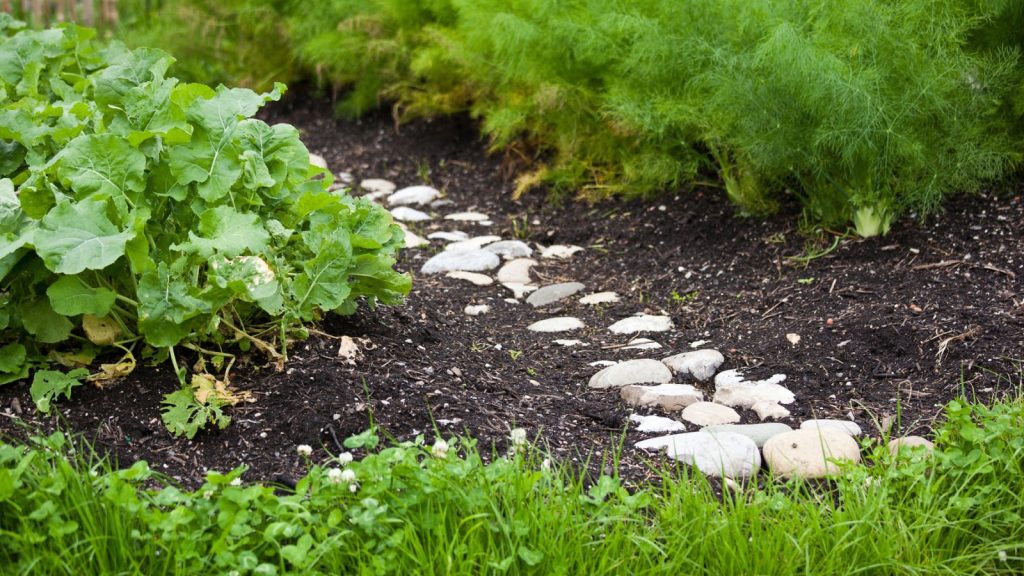
The principles of permaculture talk about creating zones, but this can be difficult to envisage in a smaller plot. So, using your garden map, pinpoint areas that are ideal for different crops and infrastructure, focusing on efficiency and accessibility. For example:
- Place high-maintenance plants like herbs and salad greens near pathways or kitchen entrances for easy harvesting.
- Perennial vegetables, fruit trees, and shrubs can be positioned in a permanent location where they will receive optimal sunlight and water.
- Use areas where plants fail to thrive to create compost bins and a rainwater collection system.
- In smaller gardens, add vertical growing systems, containers, and raised beds to boost productivity.
Don’t forget about your garden boundaries, as it is here that your managed land connects with wilder areas. Consider replacing solid fences with live hedging, create access holes for wildlife, and leave untouched corners where insects can hibernate.
Step 3: Improve your soil
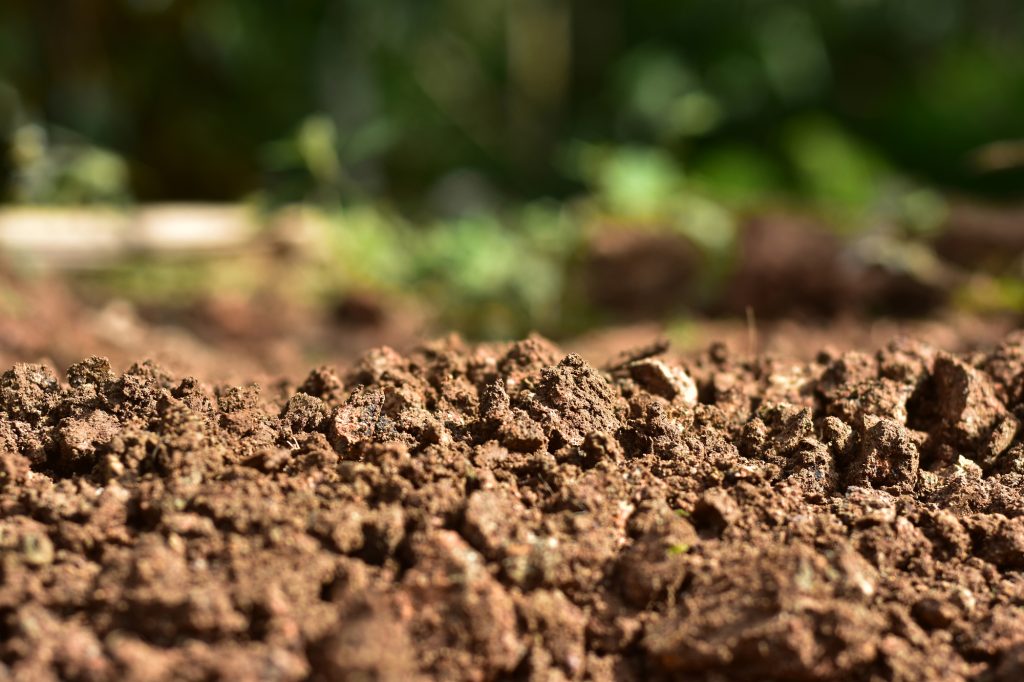
This is my favorite part of permaculture gardening – building good soil! I’d strongly advise switching to a no-dig system, using top dressings of compost, manure, and organic matter to mulch the soil and improve fertility.
Cover crops and nitrogen-fixing plants, such as legumes, naturally enrich the soil, further boosting plant growth and resilience.
Step 4: Collect and store water efficiently
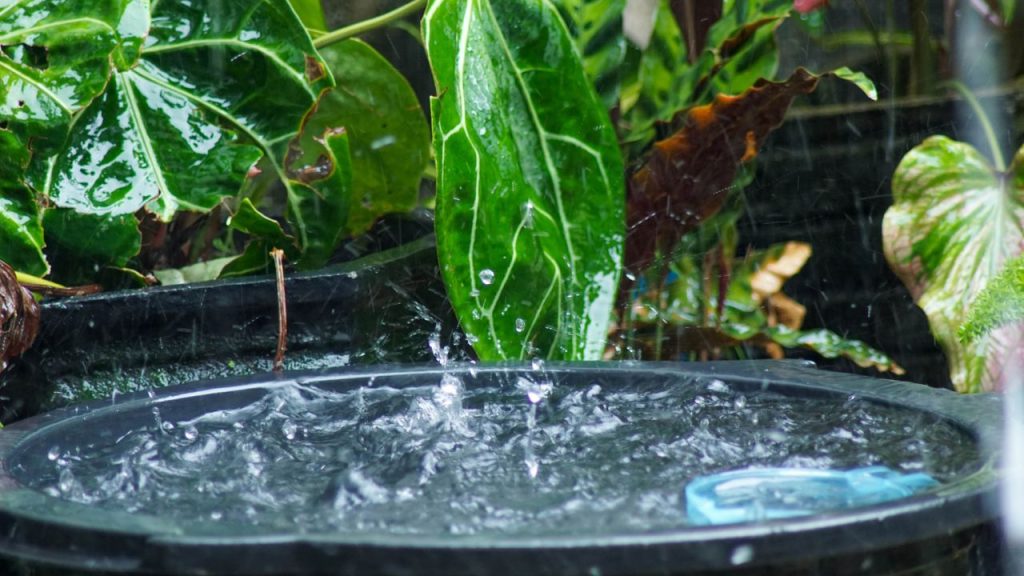
The aim of permaculture is to use every drop of water wisely. To capture rainwater, install rain barrels, swales, or ponds, and use mulch and ground cover plants to retain moisture in the soil.
Step 5: Choose the right plants

Select low-maintenance native and perennial plants suited to your climate – these adapt well to local conditions and are more resilient to pests and diseases.
Companion planting can help boost growth and biodiversity, and don’t forget to include pollinator-friendly plants too. Deep-rooted plants can help break up compacted soil, while ground covers reduce soil erosion and evaporation.
Step 6: Implement layered planting

Layered planting may sound confusing, but all you are doing is mimicking a natural forest. Even in small gardens, layering can be applied effectively:
- Canopy layer: If you don’t have space for large fruit trees, opt for small dwarf cultivars or espaliered trees along a fence or wall to maximize space.
- Low tree layer: Plant fruit-bearing shrubs and small nut trees at the back or center of your garden beds, where lower-growing crops will benefit from the partial shade.
- Herbaceous layer: Grow herbs and leafy greens, such as basil,
lettuce , and kale, between your shrubs and trees. - Ground cover layer: Use low-growing plants like strawberries, creeping thyme, or clover to suppress weeds and retain moisture.
- Root layer: Grow root vegetables like
carrots ,radishes , and onions in available spaces to make full use of the soil depth. - Climbing layer: Train vining plants such as beans,
peas , or cucumbers to grow up trellises, fences, or even the trunks of small trees.
Step 7: Encourage biodiversity

Biodiversity plays an essential role in a permaculture garden, reducing reliance on artificial inputs. Plant a variety of flowers and herbs to attract beneficial insects and wildlife and create habitats like ponds, log piles, and birdhouses. Then, all you have to do is sit back and enjoy the fruits (and vegetables) of your labors!