Think you need acres of rolling land and a red barn to start homesteading? Not anymore. Across cities, people are reimagining what it means to live sustainably, and it turns out you can build a surprisingly self-sufficient lifestyle right in your apartment.
Windowsills, balconies, and rooftops—urban spaces are being transformed into mini homesteads. With rising food prices and a growing interest in sustainability, the trend is less about “living off the land” and more about making the most of the space you’ve got.
Cooking from scratch makes a comeback.
One of the biggest shifts? Cooking from scratch. Instead of relying on processed foods, urban homesteaders are baking their own bread, fermenting yogurt, and even making jams from seasonal fruit. It’s less about picture-perfect loaves and more about knowing exactly what’s in your food—and savoring the satisfaction of creating it yourself.
Small gardens, big payoffs
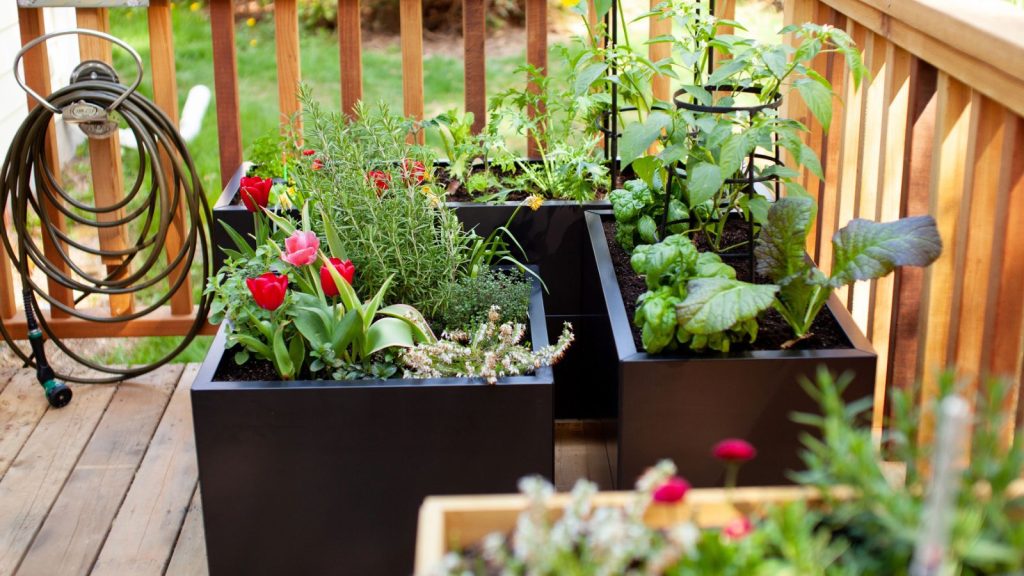
A garden doesn’t need a backyard. Apartment dwellers are filling window boxes, balcony planters, and rooftop containers with herbs, vegetables, and even climbing crops like beans and cucumbers. Vertical gardening and hanging baskets stretch every inch of space. The result: fresh greens just steps from the kitchen.
Composting in the city
Food scraps don’t have to go in the trash. Urban homesteaders are getting creative with composting, from small indoor systems to city-wide drop-off programs. It’s an easy way to cut waste while feeding those balcony tomatoes naturally.
Eating with the seasons
Another hallmark of homesteading? Eating seasonally. By shopping farmers’ markets or joining food co-ops, city dwellers are rediscovering the rhythm of seasonal produce. It’s fresher, cheaper, and better for the planet than relying on out-of-season imports.
Preserving the harvest
Even the smallest harvests can last beyond the season. Urban homesteaders are experimenting with canning, fermenting, freezing, and drying. A few jars of homemade pickles or fruit preserves turn an apartment kitchen into a little hub of abundance.
Beyond food: thrifting, sewing, and diy
The homesteading mindset extends past the kitchen. Thrifting helps cut costs and reduce waste. Sewing skills mean a ripped shirt gets repaired, not tossed. Homemade cleaners and skincare keep chemicals out of the home and money in the wallet. It’s less about “doing without” and more about doing differently.
Slowing down in fast-paced spaces
At its core, apartment homesteading is about more than food—it’s about lifestyle. Many city homesteaders embrace slow living, prioritizing intentional choices over constant consumption. Minimalism, mindfulness, and community connections all play a role. It’s not isolationist either; local farmers’ markets, food co-ops, and community gardens thrive on cooperation and shared learning.
The takeaway
Urban homesteading proves you don’t need a farmhouse or acres of land to live sustainably. From baking bread to growing basil in a window box, apartment dwellers are redefining self-sufficiency for the modern city. It’s creative, practical, and—dare we say—pretty stylish.