For most gardeners, growing vegetables involves plenty of planning, planting, and upkeep each season. But what if you could cut down on the effort while still enjoying a reliable harvest year after year? The solution lies in perennial vegetables.
Unlike annual crops that need to be replanted each season, perennial vegetables continue to grow and produce for multiple years with minimal maintenance. Once established, they come back on their own, offering a steady supply of fresh food with less work.
Here are 16 hardy perennial vegetables that will keep your garden productive season after season.
Fiddleheads

One of the most exciting signs of early spring is the return of fiddleheads, the tightly coiled young shoots of ferns that offer a delicious, earthy flavor reminiscent of asparagus.
Often found at farmers’ markets for a short window each year, these edible fronds from the ostrich fern can also be grown right at home. These unique perennial plants return year after year, spreading naturally in shady spots and providing a dependable harvest of fresh greens.
Sea Kale
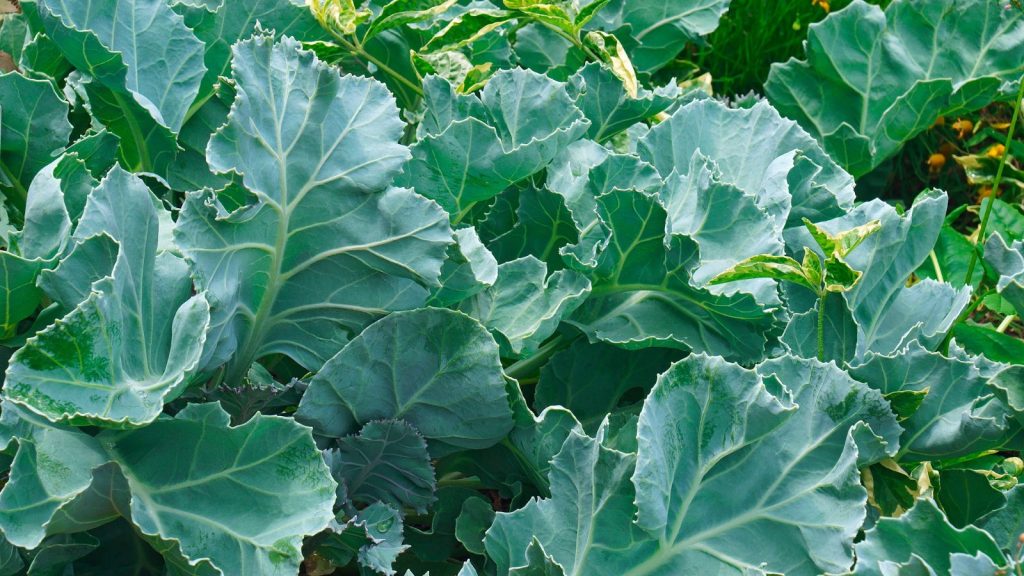
Sea kale is a tough and beautiful perennial vegetable that offers a lot more than meets the eye. Sea kale produces edible leaves, shoots, and roots.
Thriving in sandy, well-drained soil, sea kale requires minimal care once established. With its ability to tolerate poor soil and coastal areas and conditions, this resilient vegetable provides harvests year after year. Plant it once, and you’ll enjoy its delicious shoots every spring without replanting.
Sea kale is a great addition to any food garden focused on sustainability and lower maintenance.
Asparagus
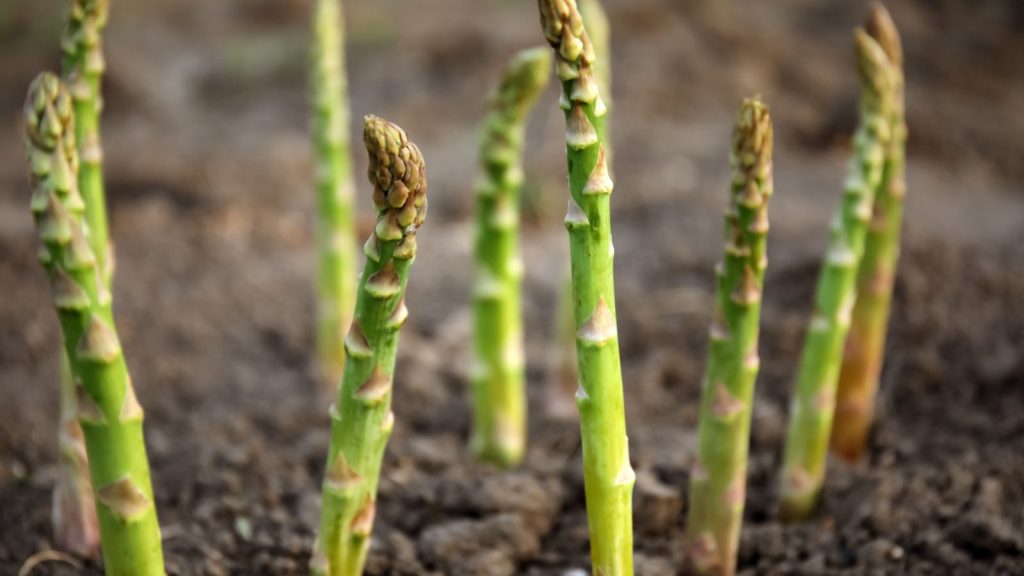
Asparagus is one of the best-known perennial vegetables, rewarding patient gardeners with fresh spears every spring. Once planted, it takes about two to three years to establish, but it can produce for up to 15 years.
It thrives in well-drained soil with plenty of sunlight, and regular maintenance helps ensure a strong yield. With each passing season, an asparagus bed becomes even more productive, making it a must-have for any perennial vegetable garden.
Jerusalem Artichoke

Jerusalem artichokes, also known as
Once planted, they spread vigorously, making them a reliable and abundant source of food. With their natural resistance to drought and cold,
Globe Artichoke
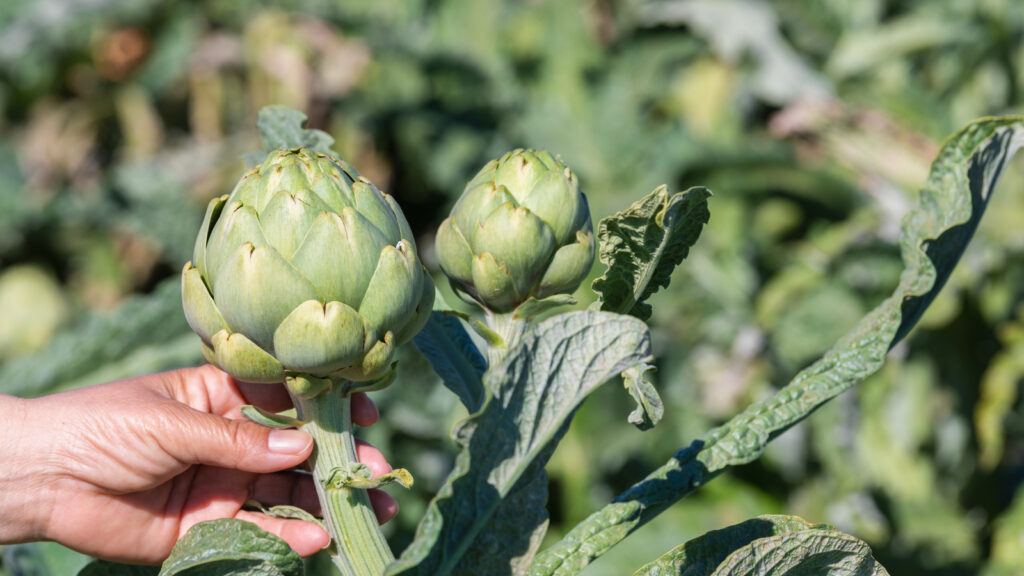
Globe artichokes are striking perennial crops that produce edible flower buds prized for their tender, flavorful hearts. These plants take a couple of years to establish, but their harvests become more abundant each season.
They thrive in full sun, require well-drained soil, and need consistent moisture to grow strong and healthy. Reaching up to 4 feet tall and wide, they make an impressive addition to any garden.
Radicchio
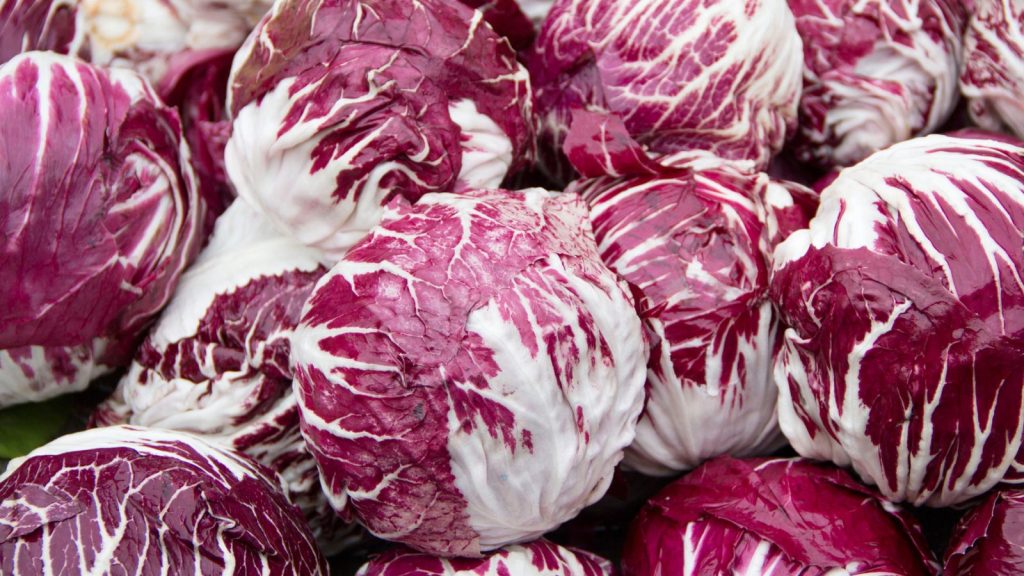
Radicchio is a vibrant, leafy perennial that returns each year when left in the ground rather than harvested all at once. It thrives in cooler temperatures, developing its signature red leaves with a pleasantly bitter flavor.
Radicchio can be harvested multiple times throughout the growing season, perfect for adding a kick to salads. In milder climates, it will self-seed and provide fresh leaves year after year.
Horseradish

Horseradish is a hardy, low-maintenance perennial that belongs to the same family as cabbage and mustard. Known for its spicy, peppery flavor, its roots are commonly used in sauces and condiments.
It thrives in well-draining soil and full sun, and once established, it spreads aggressively underground. To maintain a productive patch, gardeners can harvest the roots and replant offshoots each season, ensuring a continuous supply year after year.
Rhubarb

Rhubarb is a long-lived perennial that produces vibrant, tart stalks perfect for pies, jams, and sauces. It thrives in well-drained soil with plenty of sunlight and requires regular watering to establish strong roots.
Though patience is needed in the first year as the plant develops, it rewards gardeners with increasing harvests each season. Once mature, rhubarb can continue producing for decades, making it a valuable addition to any garden. Just remember—the stalks are edible, but the leaves are toxic and should never be consumed.
Garlic
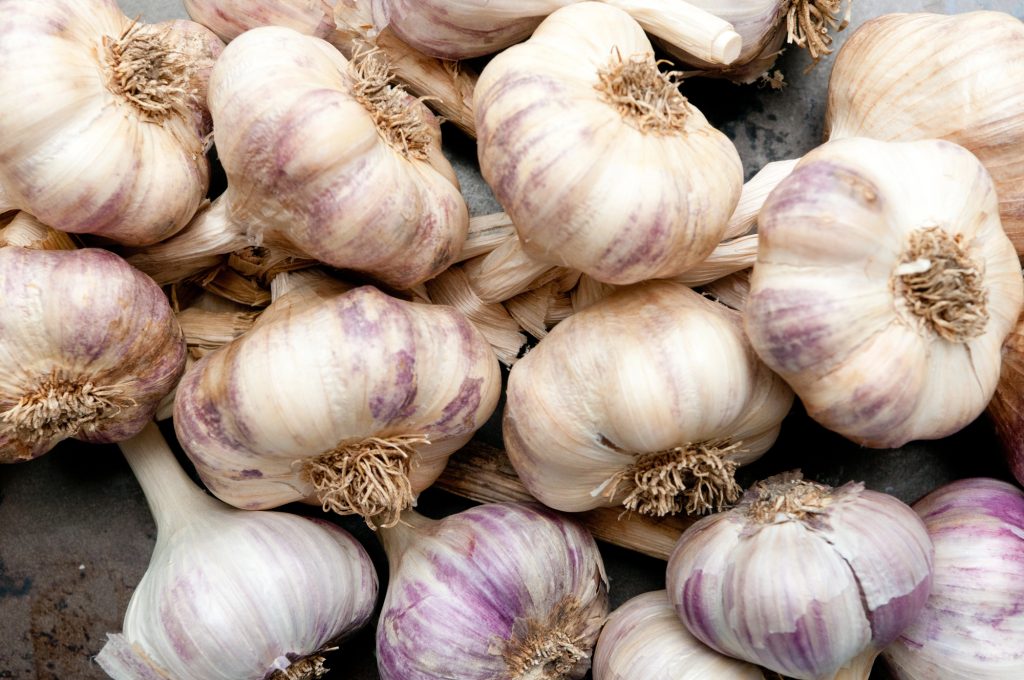
While often grown as an annual,
Garlic is easy to grow and will thrive in well-drained soil with plenty of sun. This method of growing
Leeks (Wild Ramps)

Wild leeks, or ramps, are a prized perennial vegetable known for their bold, garlicky flavor. They emerge in early spring, making them one of the first edible greens of the season.
These wild onions thrive in rich, moist soil and prefer shaded areas, making them perfect for forest gardens. Once established, ramps spread naturally, providing a sustainable harvest year after year with little intervention.
Sorrel

Sorrel is a tangy, citrus-flavored perennial green that adds a refreshing bite to salads, soups, and stews. Packed with vitamin C and antioxidants, this leafy green is both nutritious and easy to grow.
Thriving in well-drained soil with full to partial sun, sorrel is incredibly resilient and produces new leaves throughout the season. Once established, it will reliably return year after year, making it a great addition to any vegetable garden.
Green Onions

Green onions are a low-maintenance perennial that adds a mild flavor to dishes. They thrive in well-drained soil with full to partial sun, making them an easy addition to most gardens.
They will regrow after each harvest, providing a continuous supply of fresh green tops and tender stalks. Green onions are a must-have for any home gardener looking for a dependable and flavorful crop, perfect for soups, stir-fries, and salads.
Chives
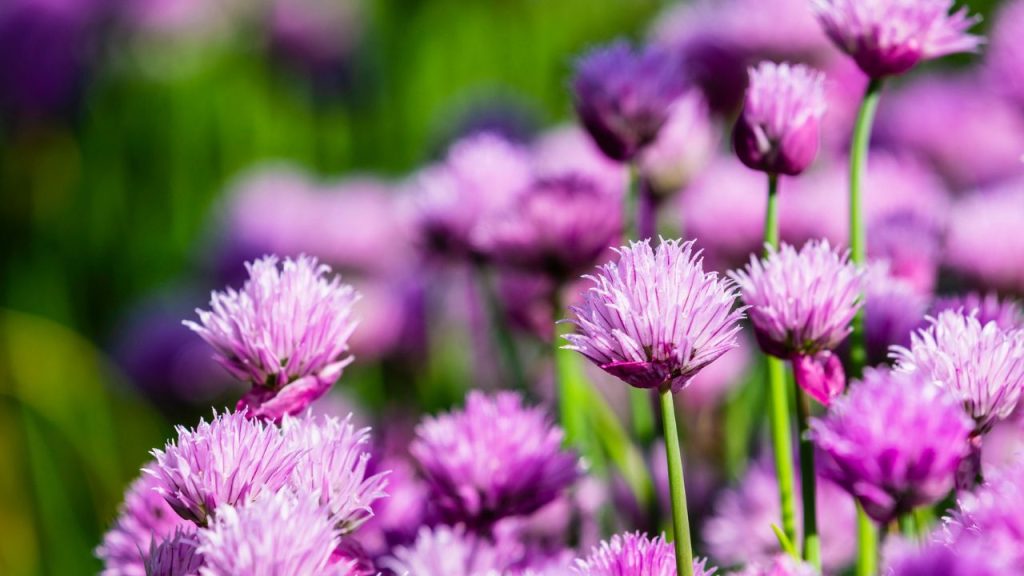
Chives are a hardy perennial that flourishes in a variety of soil types and weather conditions. Their slender, grass-like leaves have a delicate onion-like flavor, making them a perfect garnish for potato dishes, soups, and salads.
In addition to being a versatile culinary ingredient, chives produce beautiful purple flowerheads that attract pollinators and add visual interest to any garden. Once planted, chives will grow back year after year.
Mint
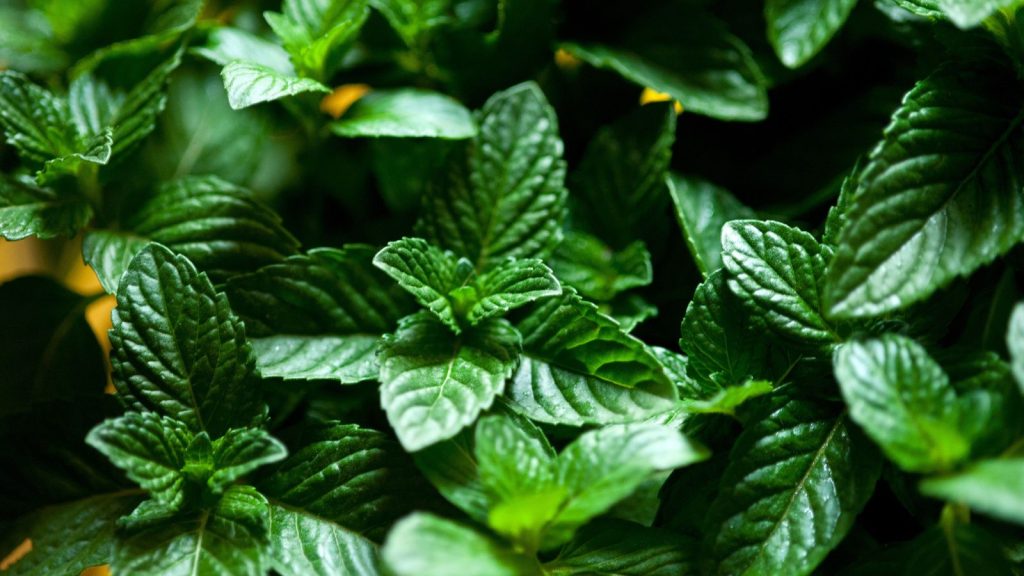
Mint is a vigorous perennial herb known for its refreshing flavor and rapid growth. It thrives in garden beds and containers and is a fantastic addition to teas, cocktails, salads, and desserts.
Because it spreads aggressively, growing mint in pots can help keep it contained. It has a low-maintenance nature and can return year after year.
Oregano

Oregano is a flavorful perennial herb staple in Italian, Greek, and Mediterranean cuisine. It thrives in full sun and well-drained soil, making it a great candidate for garden beds or containers. Oregano requires little upkeep and continues to produce aromatic leaves season after season.
Thyme

Thyme is a hardy, low-growing perennial that enhances both the garden and the kitchen. It thrives in dry, well-drained soil and requires little maintenance, making it a perfect addition to herb gardens, window boxes, or even rock gardens.
Other Posts You Might Like
- 20 Strikingly Bold Red Perennials That Bloom Year After Year
- 16 Purple Perennials That Will Bring Your Garden to Life Year and Year
- 18 Shade Loving Perennials to Brighten Your Garden
- These 12 Fall Blooming Perennials Will Be Everywhere This Season
- 38 Perennial Flowers That Deliver Gorgeous Blooms Every Blooming Season