A cast-iron skillet is a kitchen workhorse. It is great for sizzling steaks, baking cornbread, and achieving that perfect crispy edge on roasted vegetables. But even this heavy-duty pan has its limits.
Some foods simply don’t pair well with cast iron and can leave behind stubborn flavors, damage the seasoning, or even cause rust. If you want your skillet to stay in great shape for the long haul, it’s best to skip these common foods.
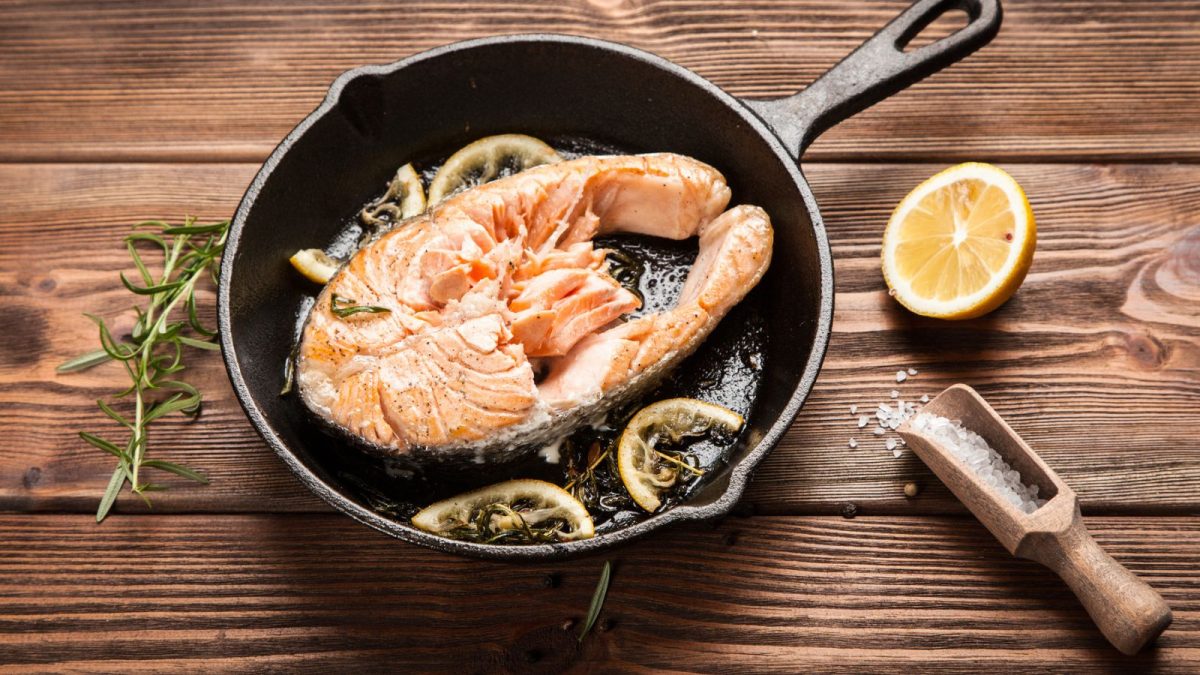
Seafood
Image Credit: Deposit Photos
Cooking fish and seafood in a cast-iron skillet can be challenging because the fish often breaks apart. This is especially true for delicate white fish with a soft, flaky texture. If the skillet isn’t well-seasoned, the fish is more likely to stick, making it hard to turn without tearing.
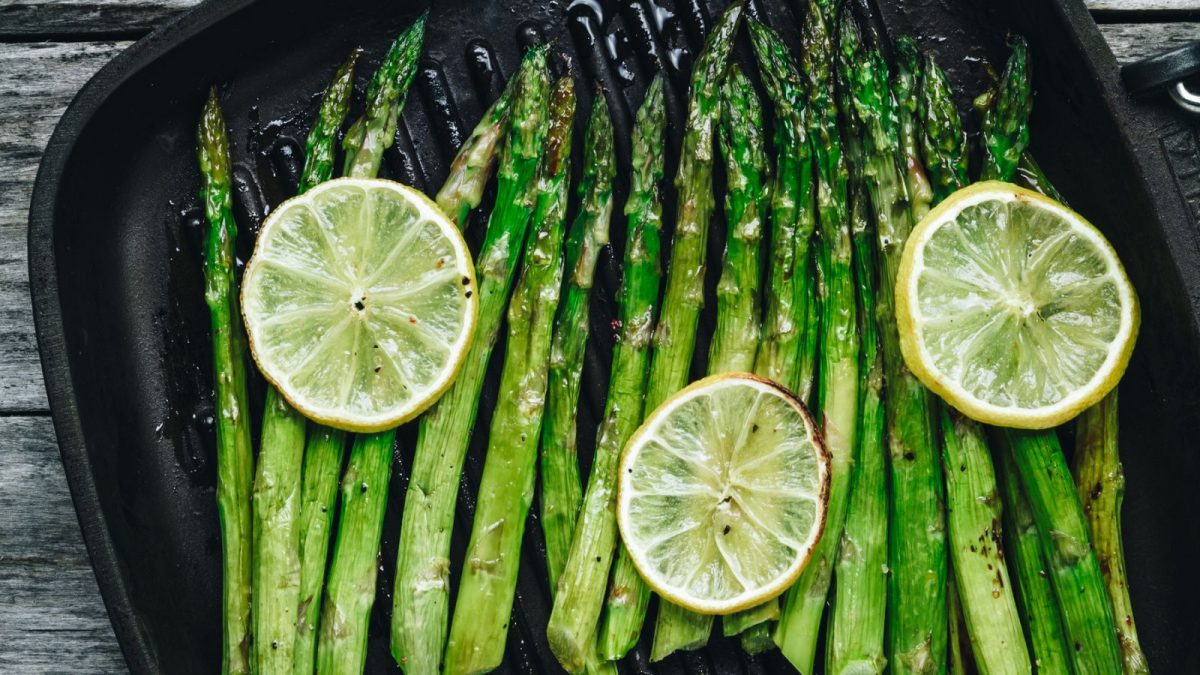
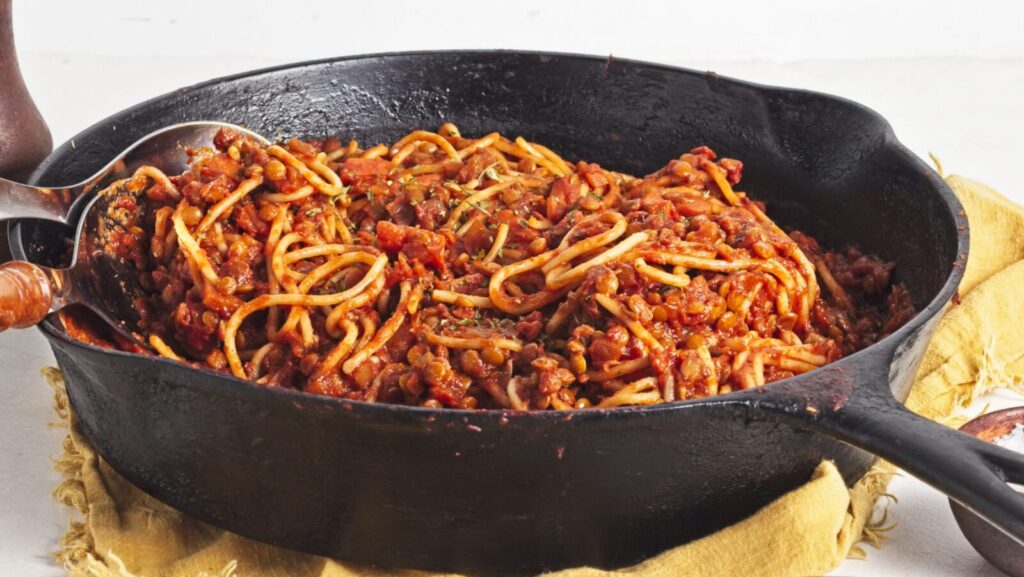
Extended exposure to high-acid foods can damage the seasoning on your cast-iron skillet. It’s best to avoid cooking items like tomatoes, citrus fruits, kimchi, pickles, acidic soups, and wine-based sauces in cast iron.
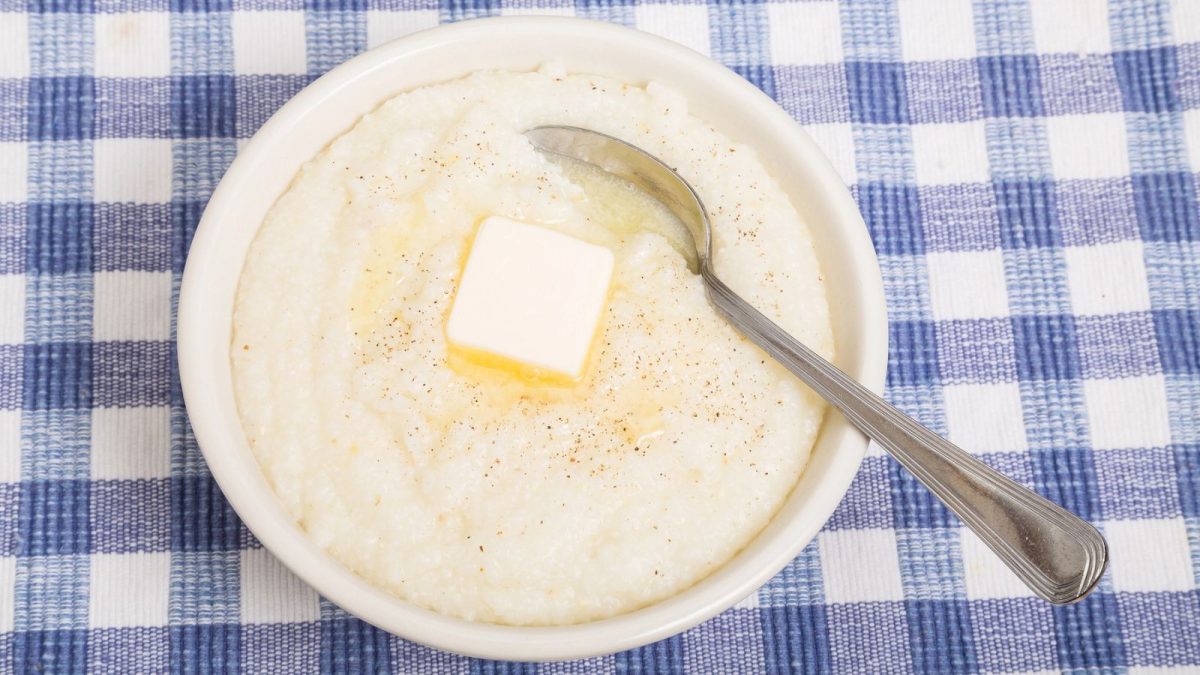
Grits
Image Credit: Deposit Photos
Grits tend to soak up liquid and cling to the bottom of the skillet, making cleanup challenging and increasing the risk of damaging the seasoning.
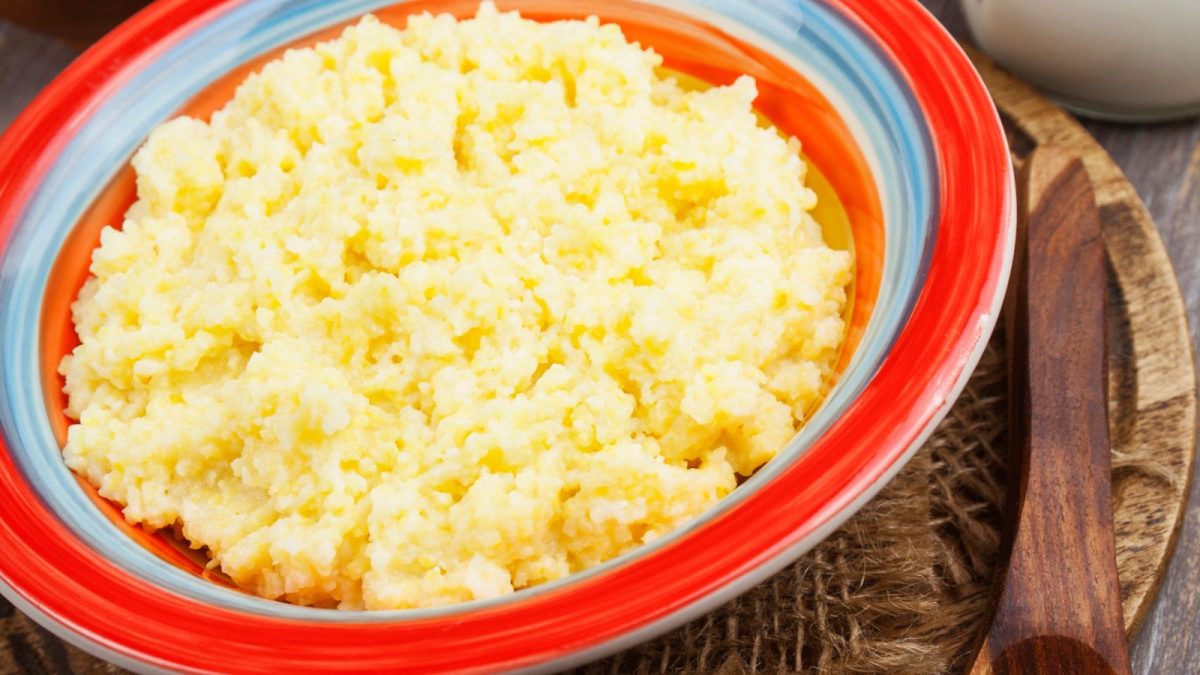
Polenta
Image Credit: Deposit Photos
Similar to Grits, Polenta tends to stick to the bottom of the skillet. Thus, it can be difficult to clean it and avoid the risk of scratching the seasoning of the cast iron skillet.
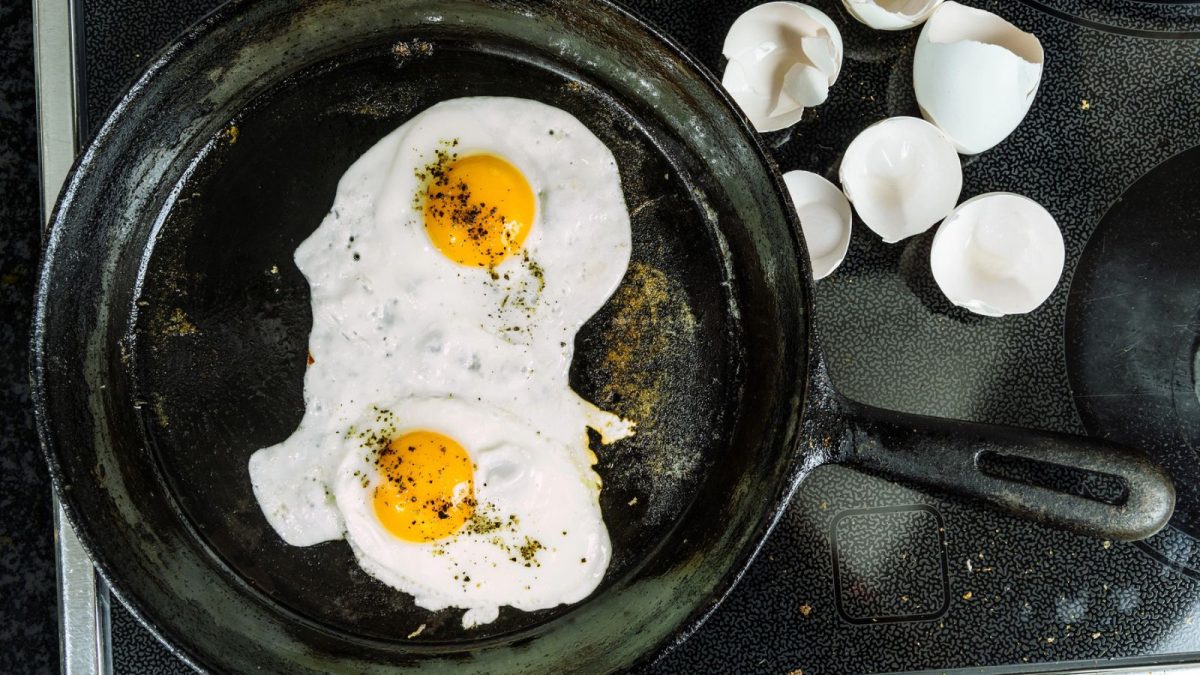
Egg products
Image Credit: Deposit Photos
Eggs and egg products can create a sticky mess in a cast-iron skillet. When they are heated, the proteins in eggs can coagulate and thicken, transforming from a liquid to a solid. Unless your skillet is well-seasoned, the thick consistency of eggs can cause issues with stirring, overcooking, and cleaning.
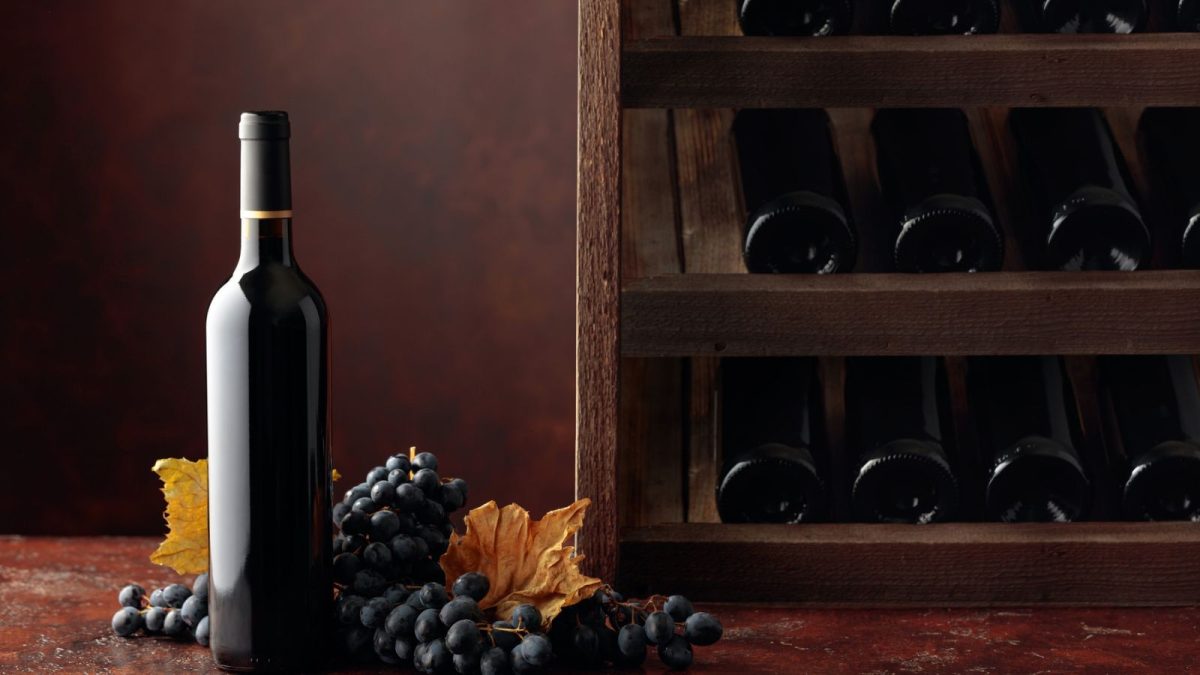
Wine
Image Credit: Deposit Photos
It’s best to steer clear of adding wine to your cast iron skillet. Not only can these ingredients harm the skillet‘s seasoning, but they may also impart a metallic taste to your food.
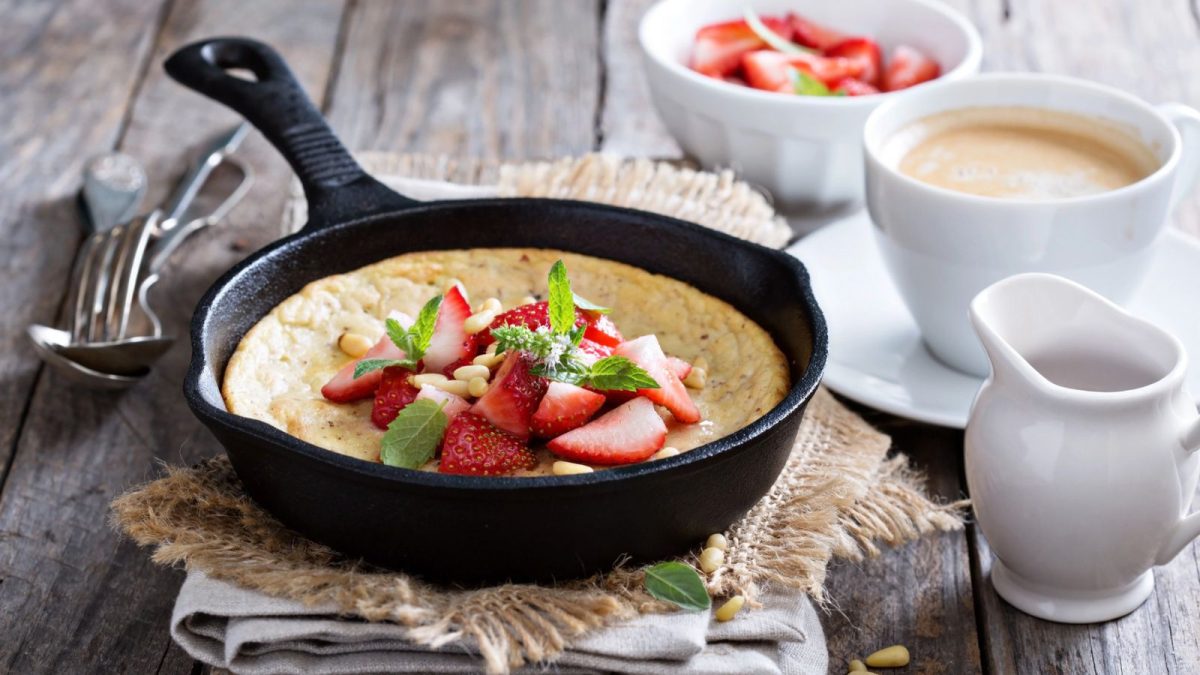
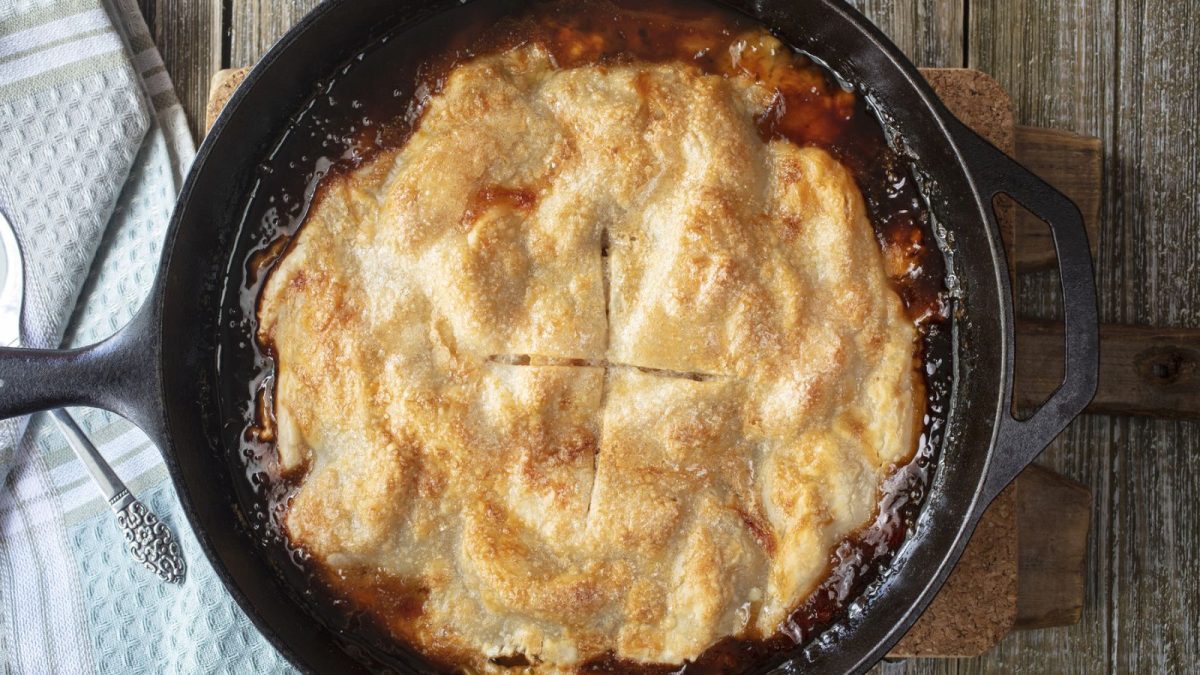
Delicate Pastries
Image Credit: Deposit Photos
It’s best to avoid baking delicate pastries at high temperatures in a cast iron skillet. The bottom may become overly crisp, dry, or even burn while the inside and top remain undercooked. Additionally, cast iron can retain odors from previous dishes, which might alter the subtle flavors of your pastry. Finally, the sugar and butter in these pastries can stick to the skillet, making cleanup more difficult.
The seasoning on your cast-iron skillet can easily absorb the flavors of foods you’ve cooked, especially if they include ingredients like onions, garlic, or meat. If you don’t want your dessert to carry a hint of garlic, it’s best to avoid using your cast iron for baking sweets. However, if you have a separate skillet reserved just for desserts, feel free to use it!
Marinades made with acidic ingredients like wine, vinegar, or mustard can damage the seasoning of a cast iron skillet. Instead, it’s better to use glass or ceramic dishes for these types of marinades.
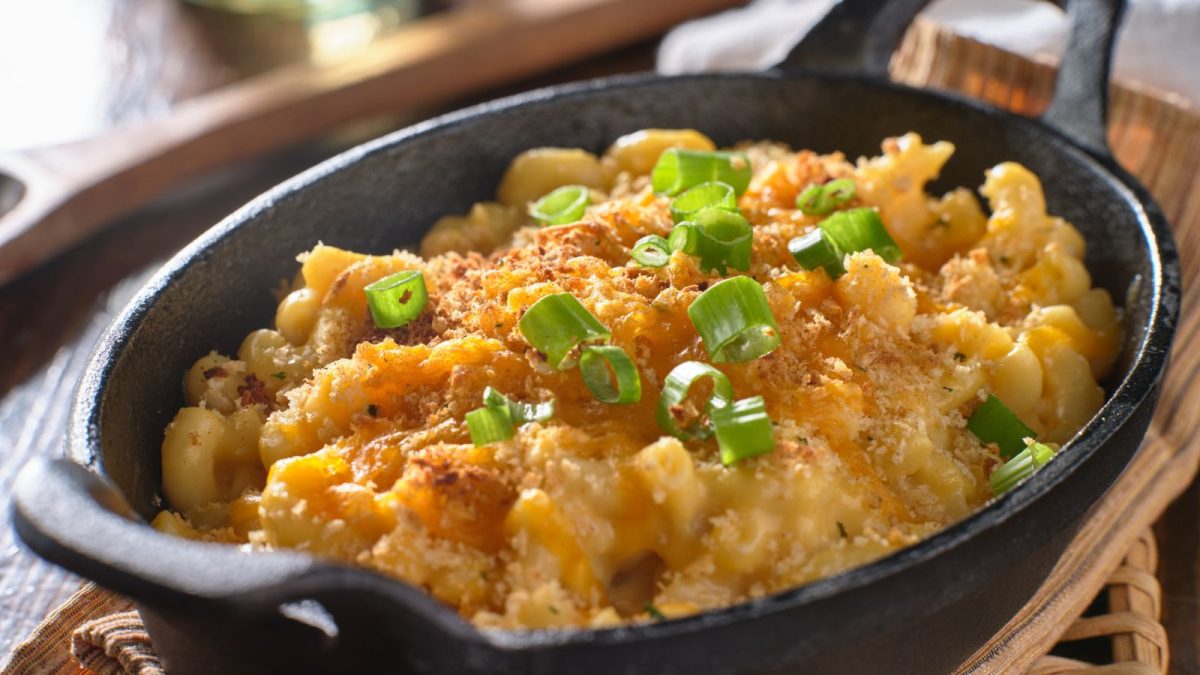
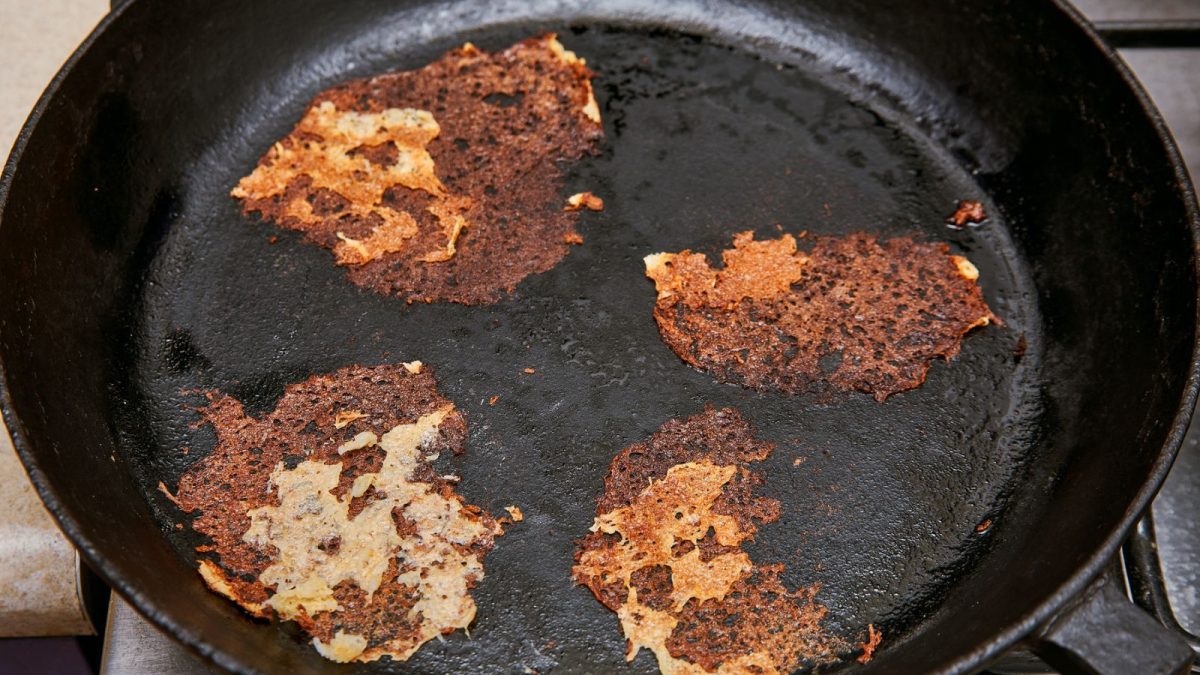
To avoid a sticky mess, it’s best to skip cooking cheesy dishes in your cast iron skillet and opt for easier-to-clean cookware. Cast iron heats up slowly and retains heat for extended periods, but cheesy dishes need gentle temperatures to prevent burning. Trying to scrape off melted cheese can damage the skillet‘s protective layer, so it’s better to use other types of cookware.
Foods with High Sodium Content
Image Credit: Deposit Photos
Due to its corrosive properties, Foods with High Sodium Content can break down the coating of your skillet.
Popcorn
Image Credit: Deposit Photos
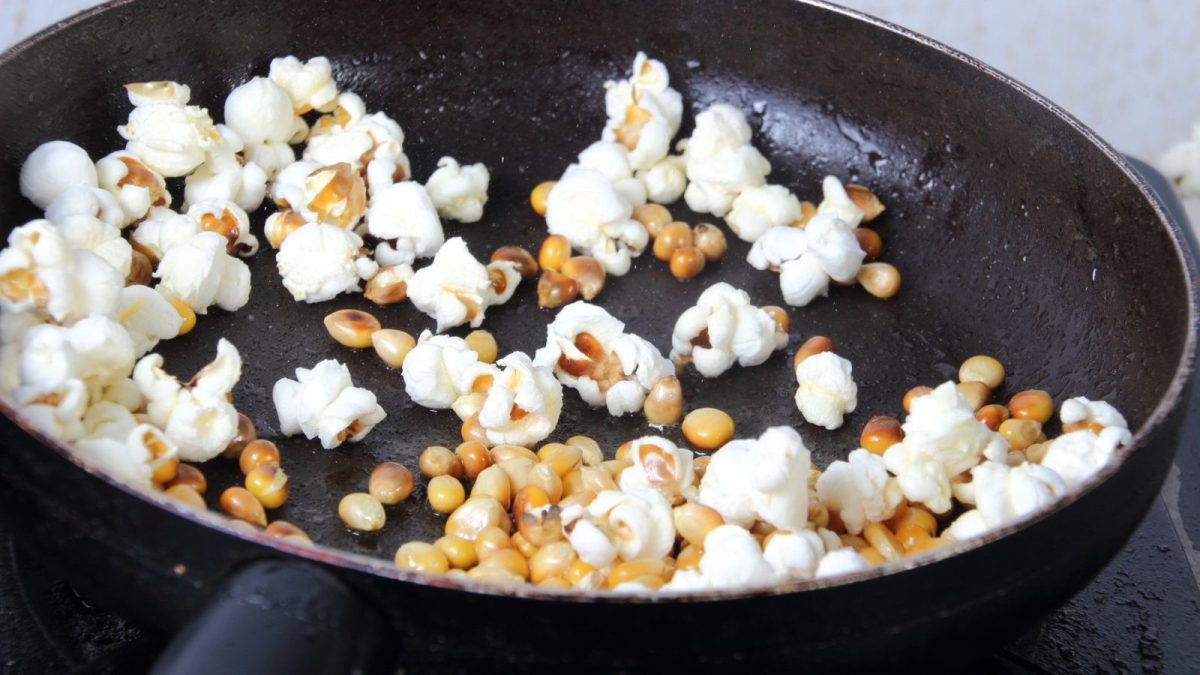
It can be challenging to control the temperature when popping popcorn in a cast iron. This often leads to unevenly popped or burnt kernels.
Sauces
Image Credit: Deposit Photos
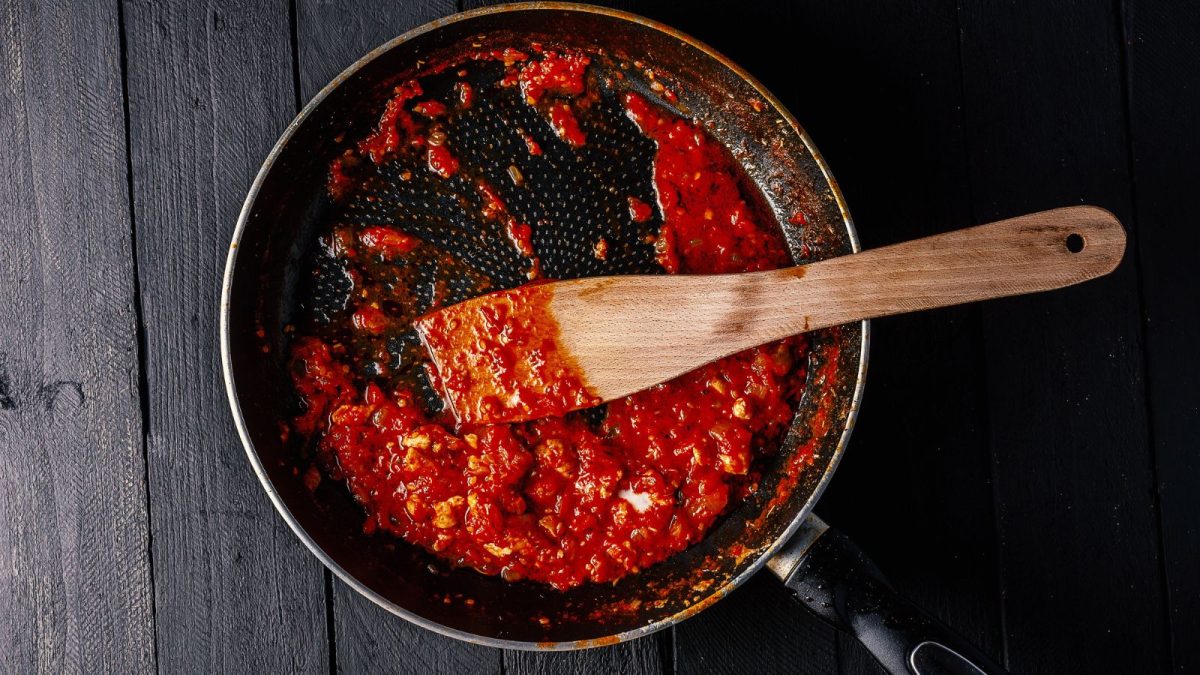
Cast iron skillets can have hot spots, making it challenging to maintain a precise temperature. Thus, delicate sauces can burn easily and create a sticky mess. Delicate sauces can stick to the bottom, creating problems with cleaning and scrubbing. Opt for non-reactive cookware such as stainless steel or non-stick pans.
Fried Foods with Delicate Batters
Image Credit: Deposit Photos
Cast iron skillets can develop hot spots, making it tricky to keep an even temperature. This can cause delicate sauces to burn and stick, resulting in a sticky residue that’s difficult to clean.
22 Recipes to Make in a Cast Iron Skillet
Image Credit: Homestead How-To
A cast iron skillet is one of the toughest, most durable cookware. You can cook almost anything in it, from simple weekday dinners to fancy steak nights and hearty casseroles. These 22 recipes will show you just how special your cast iron skillet is.