This post may contain affiliate links.

Share this post or pin it for later!

A cast iron skillet is a kitchen powerhouse—naturally nonstick, incredibly durable, and capable of lasting for generations. But despite its toughness, cast iron isn’t indestructible. A few simple missteps can lead to rust, cracks, or a ruined seasoning layer that’s hard to recover. Here are 15 things you should never do to your cast iron skillet.

Soak it in Water

vinegar on cast iron
Image Credit: Homestead How-To

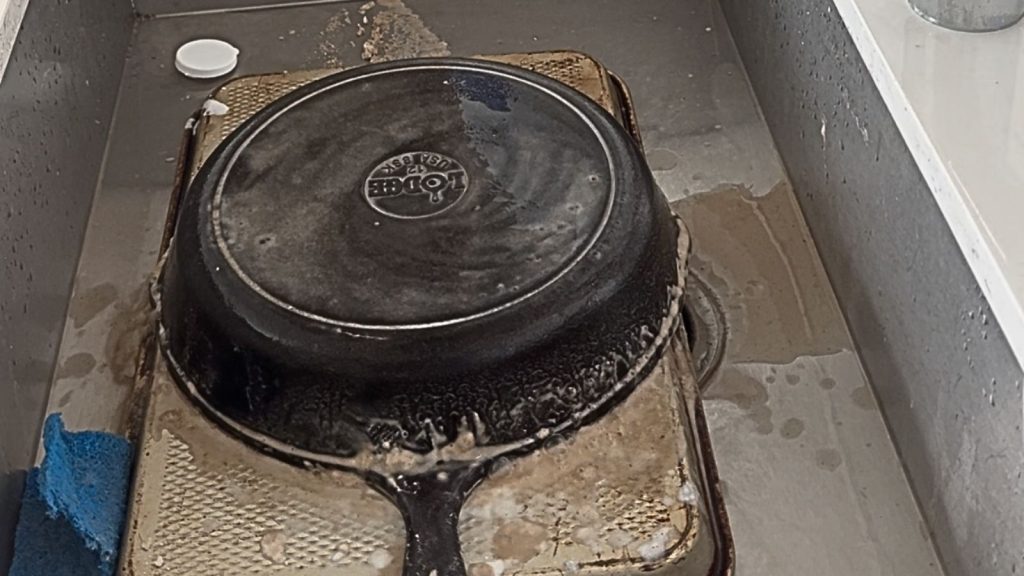
Never soak cast iron. It’s porous and will absorb moisture, increasing the risk of rust. Clean it right after cooking with warm water and a scrub brush. If needed, use coarse salt or baking soda to help lift stuck-on food.

How to Remove Rust From Cast Iron Grill Pan

Store It While It’s Wet
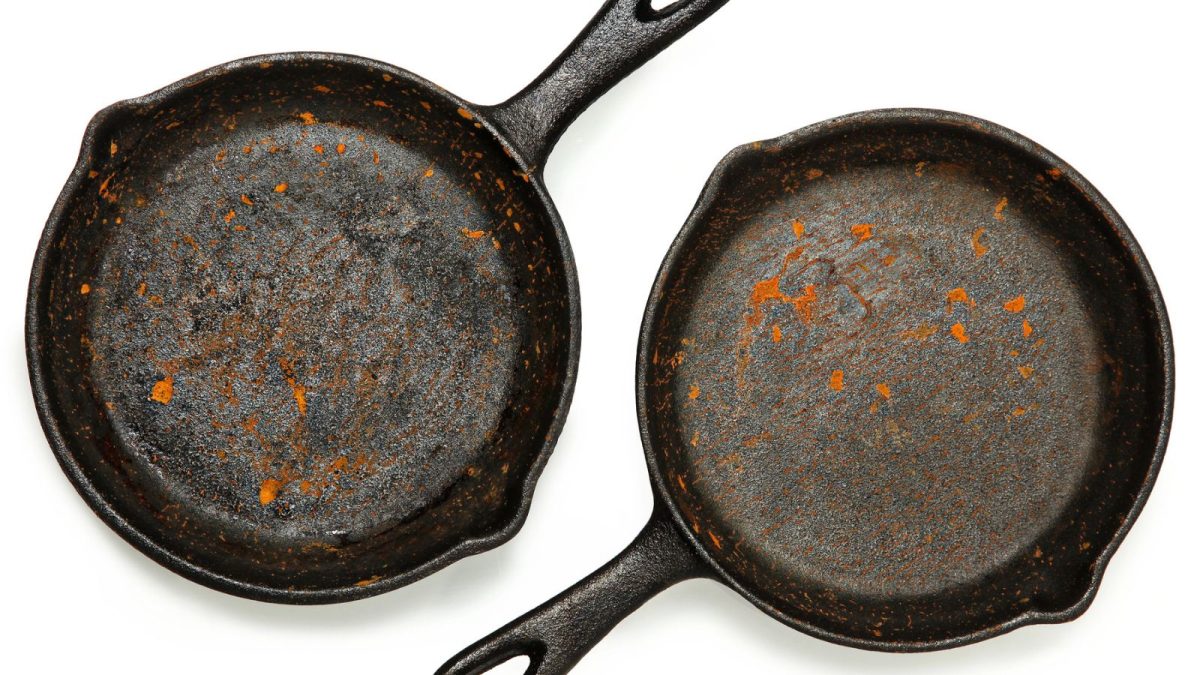
Set of Two Rusty Cast Iron Skillets
Image Credit: Deposit Photos

Even a small amount of leftover moisture can lead to rust. After washing, always dry your skillet thoroughly with a towel or by warming it on the stove. Storing it wet is one of the fastest ways to ruin it.

Store Leftovers in the Pan

Set of Two Rusty Cast Iron Skillets in a cast iron
Image Credit: Deposit Photos

Leaving food in your cast iron after cooking encourages bacteria, alters flavors, and can degrade the seasoning. Always transfer leftovers to storage containers once your meal has cooled down.

Overheat the Skillet
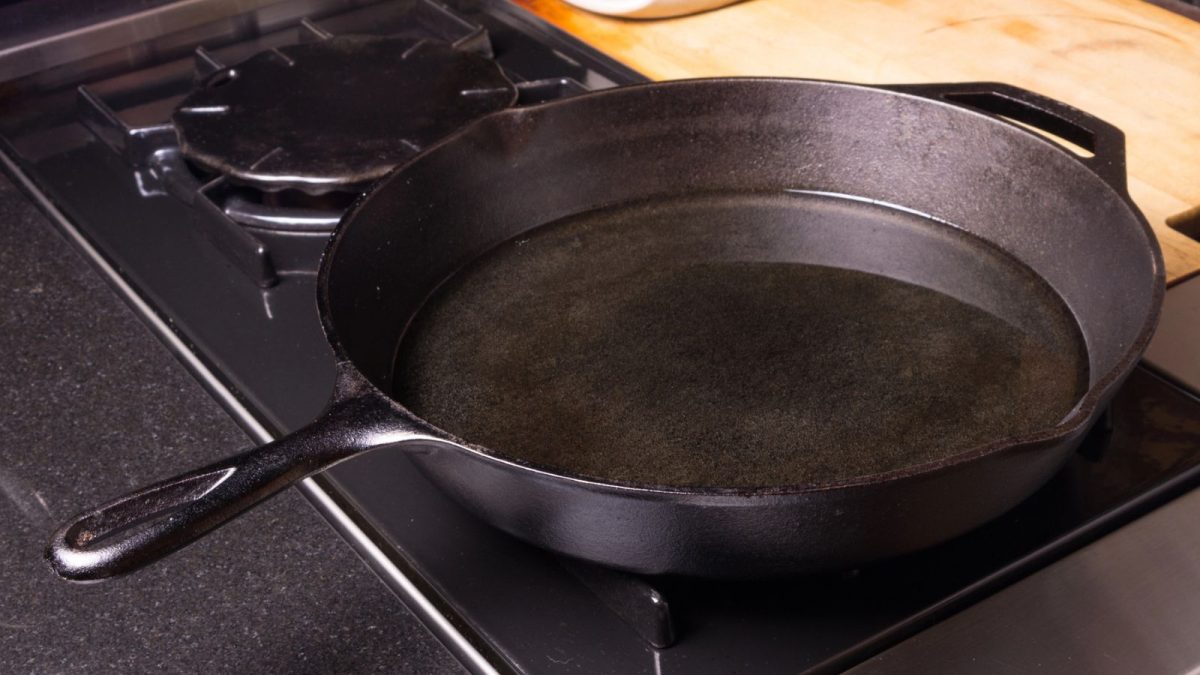
Cast iron skillet or fry pan on stove
Image Credit: Deposit Photos

Cast iron holds heat intensely, and once it gets too hot, food can burn, stick, or cook unevenly. Let it warm up gradually over medium heat so you stay in control.

Skip the Seasoning

season oil cast iron
Image Credit: Homestead How-To

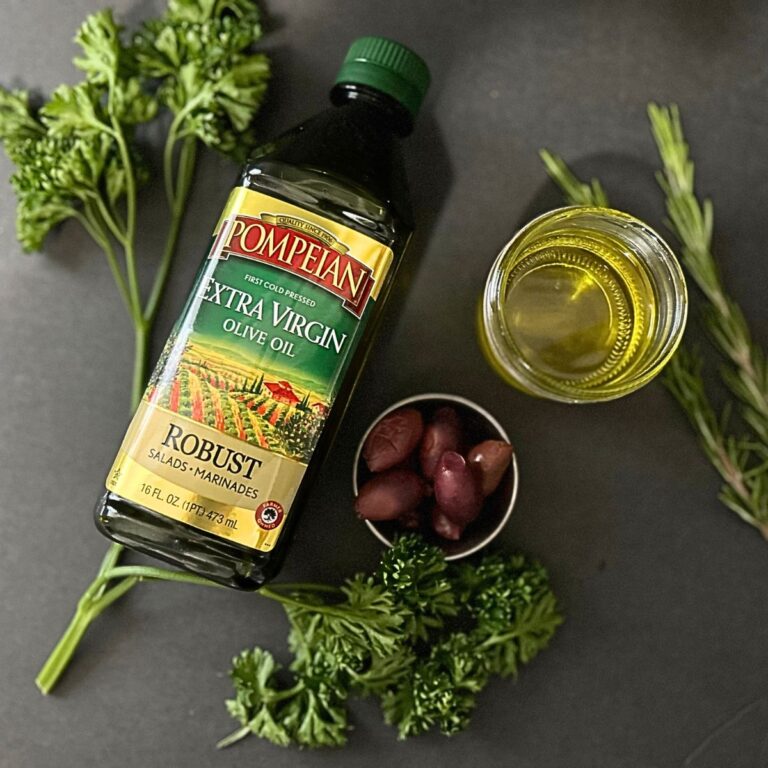
Seasoning isn’t optional—it’s the protective barrier that makes cast iron naturally nonstick and rust-resistant. After each use, apply a thin layer of oil and heat the pan to lock in the coating. Neglecting this step shortens your skillet’s lifespan.

Scrub It Like Steel

scrubbing cast iron
Image Credit: The Thrifty Apartment

Rough scrubbing or overusing soap removes the seasoning layer that gives cast iron its legendary surface. Skip the steel wool and dish soap. Use warm water, a soft sponge, and, if needed, a gentle abrasive like salt.

Cram It Into a Damp Cabinet

various types of cast iron on a countertop
Image Credit: Deposit Photos

Humidity and tight storage don’t mix well with cast iron. Avoid stacking pans without protection, and steer clear of storing your skillet in a humid, poorly ventilated spot. Airflow is key to keeping rust away.

Use the Wrong Utensils

empty-black-cast-iron-with-vintage-kitchen-items.jpg
Image Credit: Deposit Photos

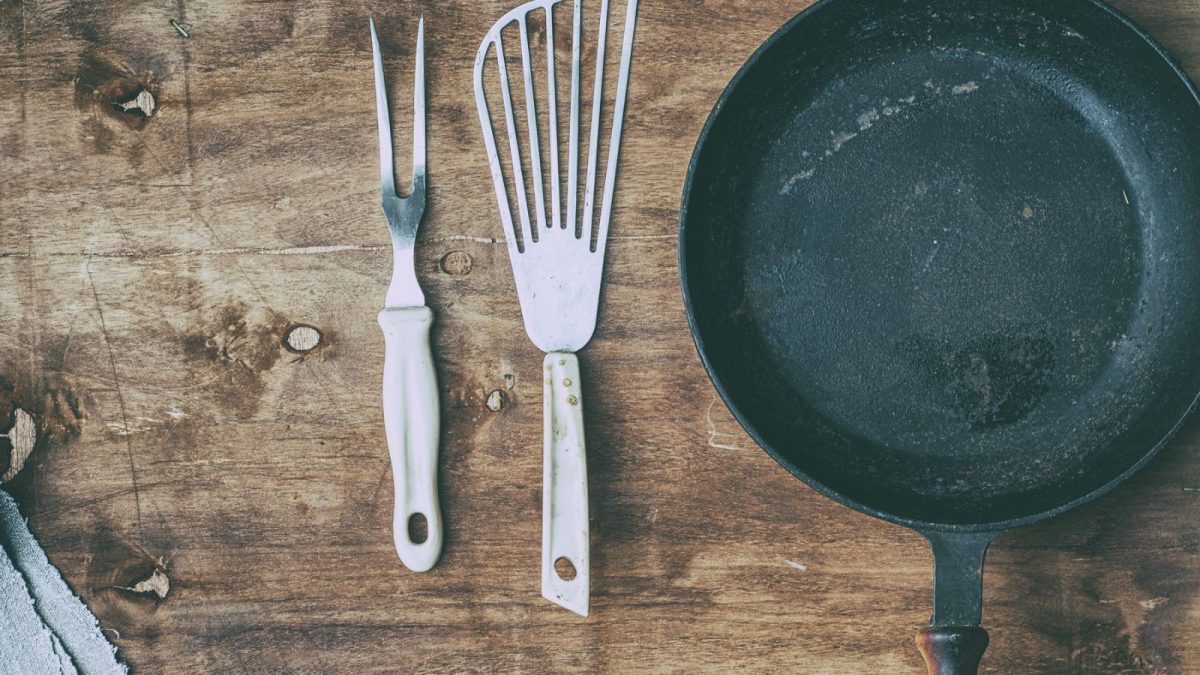
Scraping your skillet with metal forks or knives can wear down the seasoning and create scratches that stick. Choose wooden, silicone, or heat-safe nylon utensils instead—they’re gentle on the surface and easy to clean.

Crowd the Pan

Roasted beef ribeye steak in a cast iron frying pan a selective focus 1200x675
Image Credit: Deposit Photos

Packing the skillet full of food leads to steam, not sear. Overcrowding prevents proper browning and leaves your food soggy and unevenly cooked. Cook in batches to give each piece the heat and space it needs.

Cook Delicate Foods

egg on a cast iron
Image Credit: Deposit Photos

Delicate foods like eggs and flaky fish don’t always play nice with cast iron, especially if the pan isn’t perfectly seasoned. Stick to high-heat cooking tasks, such as searing meat, roasting vegetables, or baking cornbread.

Cooking Acidic Foods
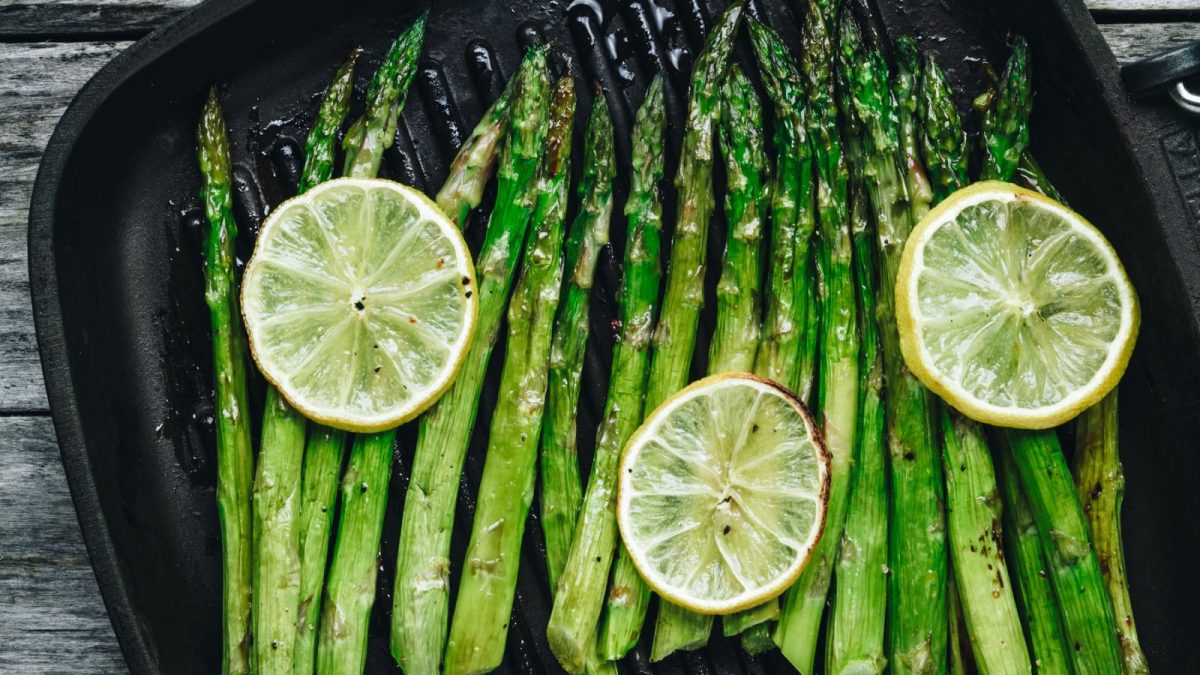
grilled asparagus with lemon on cast iron
Image Credit: Deposit Photos

Acidic foods, such as tomato sauce or lemon juice, can develop a metallic taste when cooked in a cast-iron skillet. While safe to eat, it’s not the most pleasant flavor. If you choose to cook acidic foods in your skillet, limit the cooking time to under 15 minutes to minimize the off-flavors.

Rinse It While Hot

washing cast iron skillet
Image Credit: Homestead How-To

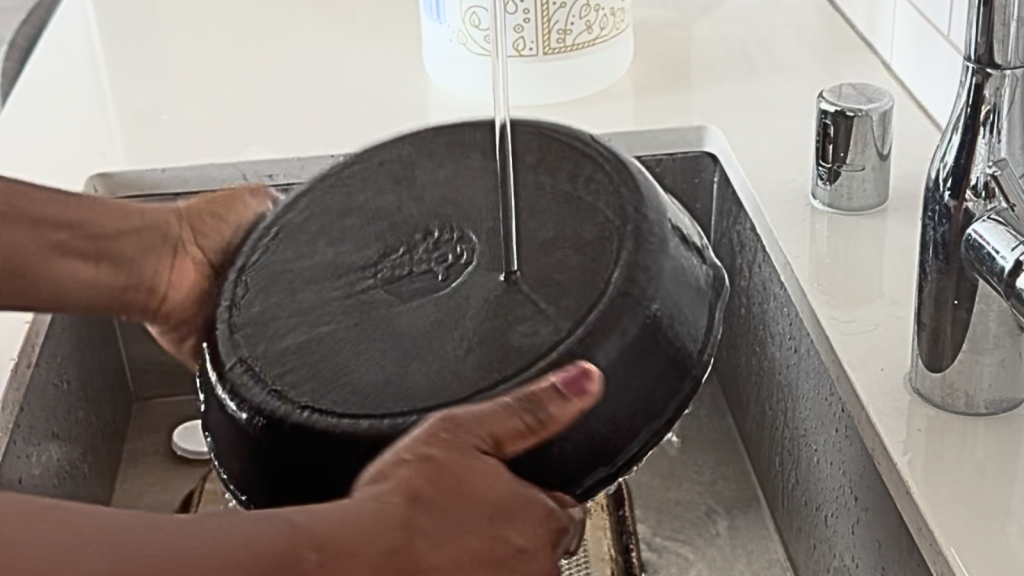
Pouring cold water onto a piping-hot skillet can cause thermal shock, potentially warping or cracking the metal. Let the pan cool slightly before cleaning to keep it in good shape.

22 Recipes to Make in Grandma’s Cast Iron Skillet

Lentil Bolognese 2800 025 scaled e1711275589676
Image Credit: Homestead How-To

A cast iron skillet is one of the toughest, most durable cookware. You can cook almost anything in it, from simple weekday dinners to fancy steak nights and hearty casseroles. These 22 recipes will show you just how special your cast iron skillet is.

22 Recipes to Make in Grandma’s Cast Iron Skillet

22 Kitchen Must-Haves for a Self-Reliant Kitchen

kitchen countertop
Image Credit: Deposit Photos

Given the central role of the kitchen in our daily routines, it’s essential to have reliable tools that can withstand the demands of everyday use. These tools save us time and money by avoiding frequent replacements and spare us the inconvenience of sudden breakdowns.
22 Homestead Kitchen Must-Haves for a Self-Reliant Kitchen

Share this post or pin it for later!

Similar Posts

Leave a Reply

Your email address will not be published. Required fields are marked *