Wasps play an important role in the ecosystem, helping with pollination and pest control, but that doesn’t mean you want them buzzing around. If you’d prefer to keep wasps at a distance without using harsh chemicals, these natural repellents offer a safer, eco-friendly solution.
1. Garlic

A
2. Cucumber
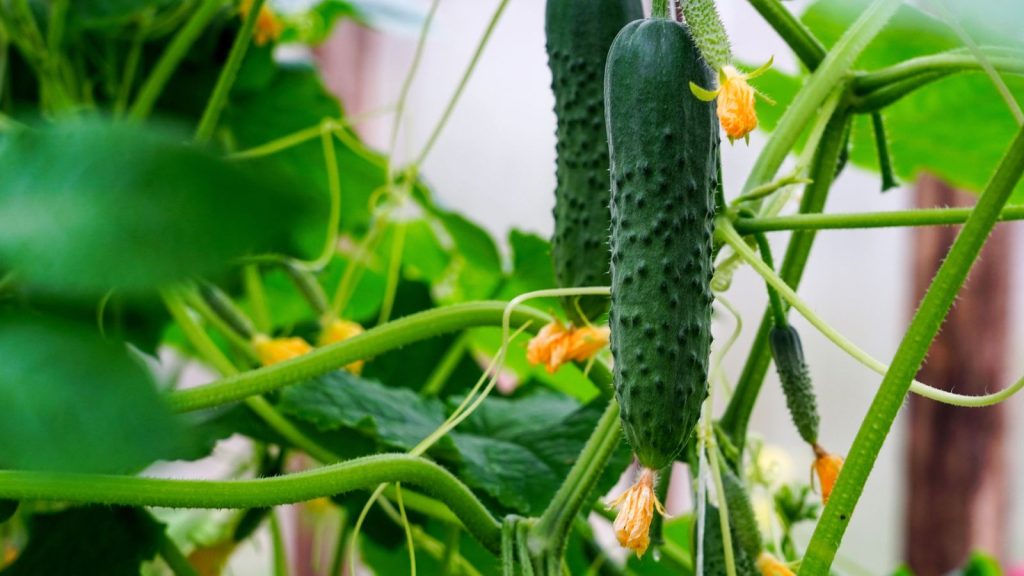
The smell of fresh
3. Fake Wasp Nest

In early to mid-spring, newly emerged wasps will seek a place to build new nests. Wasps cleverly choose locations away from other nests to avoid direct competition for food sources. This means you can trick them into thinking wasps already occupy your garden by hanging fake decoy wasp nests in strategic locations.
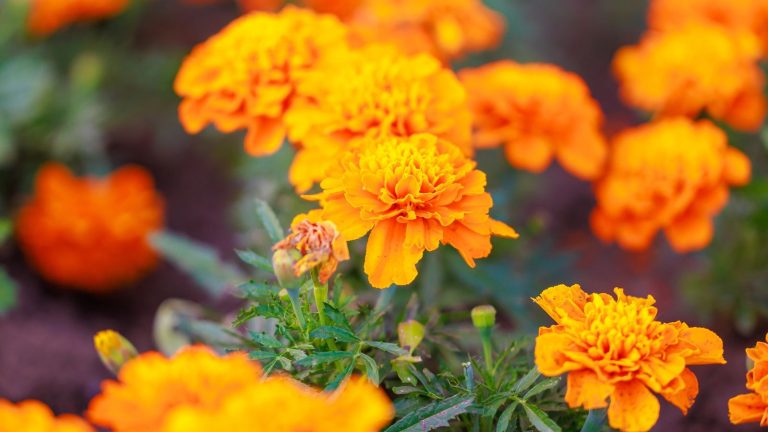
4. Marigolds

Marigold flowers have a strong, peppery smell that wasps find unpleasant. Any
5. Bay Leaves

Bay trees are easy to grow, and their leaves can deter wasps while also adding flavor to various savory dishes. The most effective way to use the bay leaves as a wasp repellent is to crush freshly picked leaves to release their distinctive aroma lightly. Replace the leaves every few days before they dry out and lose their potency.
6. Mint
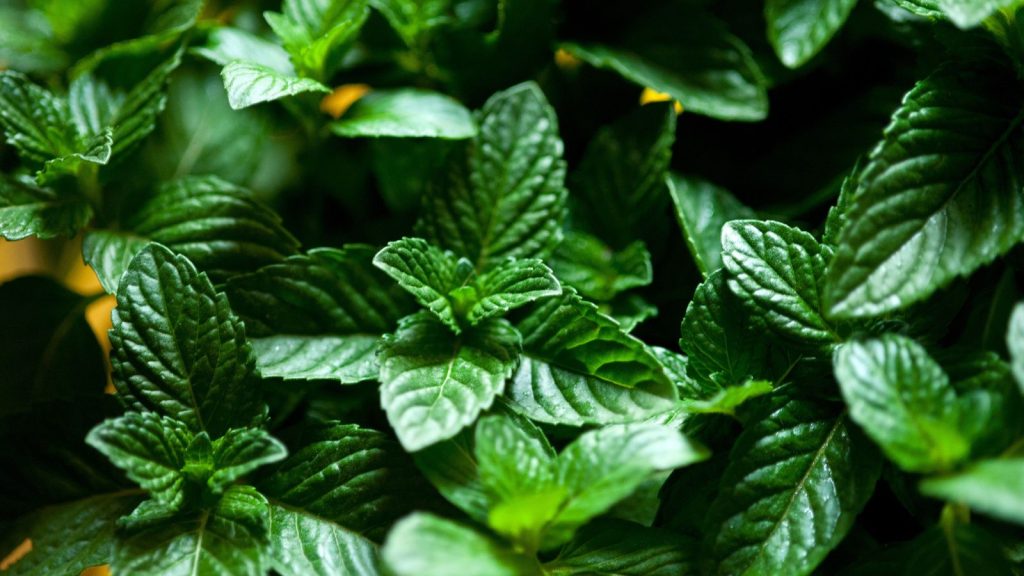
Wasps dislike the smell of mint and will steer clear of areas where it is growing. Plant mint strategically near your favorite seating areas, and pick a few sprigs for the table every day. Remember that mint can be highly invasive, so it is best grown in pots to keep it contained.
7. Cinnamon

Sprinkle ground cinnamon around areas where wasps are active. The strong smell will confuse their sensitive scent glands and encourage them to move on elsewhere.
8. Peppermint Oil

Wasps dislike the potent smell of peppermint. To deter them outdoors, place cotton balls soaked in peppermint oil around areas where wasps frequently appear. For indoor spaces, create a repellent spray by mixing a few drops of peppermint oil with water and a small amount of dish soap in a spray bottle.
9. Essential Oil Blend

Many essential oils have wasp-repellent properties, and mixing a potent blend is a great way to create the ultimate natural solution. Combine equal parts of clove, geranium, and
10. Citrus Fruits
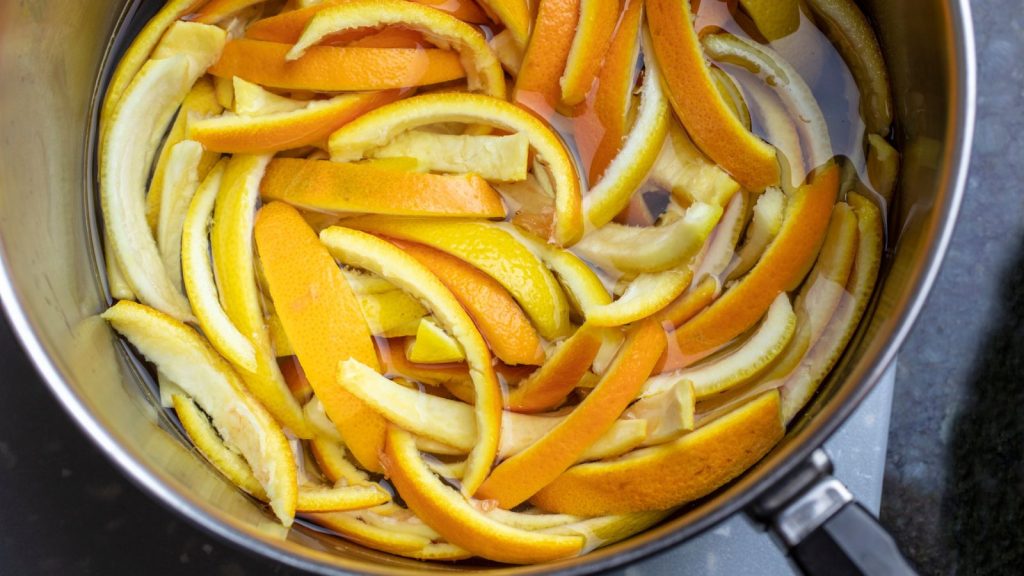
Citrus fruits such as lemons and limes are highly effective wasp repellents. Citrus fruit peels can be placed around outdoor seating areas, and a mixture of citrus essential oils and water can be used as a spray repellent.
11. Vinegar

Vinegar has many uses around the home, including as a wasp and insect repellent. To keep wasps at bay, place bowls of vinegar in outdoor areas or spray a mix of water and vinegar around doorways and windows. White vinegar or
12. Eucalyptus

The potent scent of eucalyptus leaves can confuse wasps, masking the smells of sugary drinks and foods that usually attract them to outdoor dining areas. Using freshly picked eucalyptus leaves can add a decorative touch while repelling wasps in homes and gardens. Alternatively, for quicker results, use eucalyptus oil in a
13. Lemongrass

When lightly crushed,
14. Basil
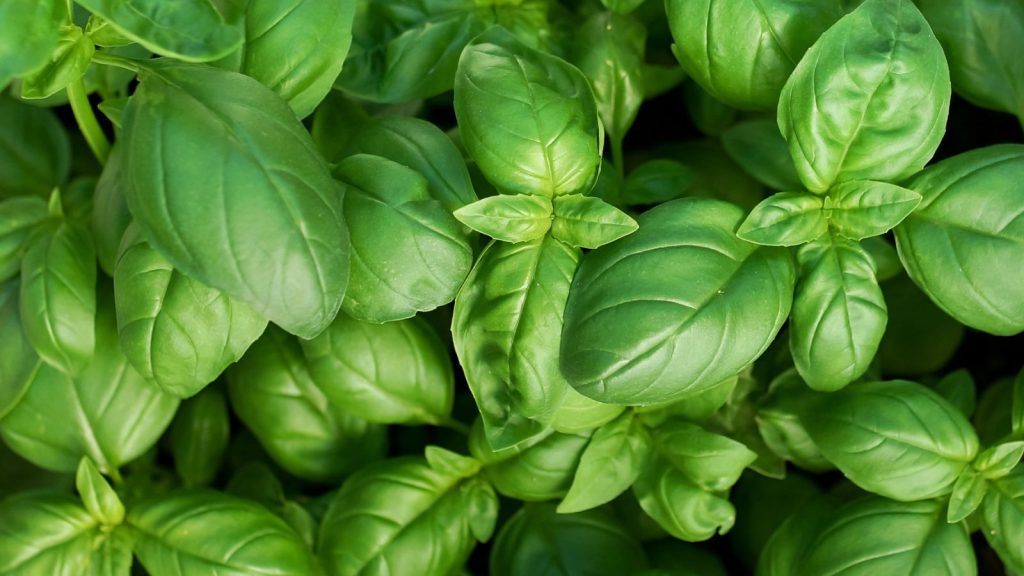
Basil is an annual leafy green culinary herb that can be used to keep wasps and other flying insects at bay. For the best results, plant basil in key locations around your garden and near doorways and windows. This will repel wasps and provide a regular supply of this delicious herb.
15. Vanilla or Almond Extract

Although we associate them with deliciously sweet home-baked goods, wasps dislike the smell of vanilla and almond. To discourage wasps from entering your home, apply a few drops of vanilla or almond extract to cotton balls and place them near windows and doors.
How to Defeat Japanese Beetles in Your Garden

If Japanese beetles are causing problems in your garden, consider trying one of these natural methods to eliminate them.
How to Defeat Japanese Beetles
How to Outsmart Gnats to Keep Them Away From Your Houseplants
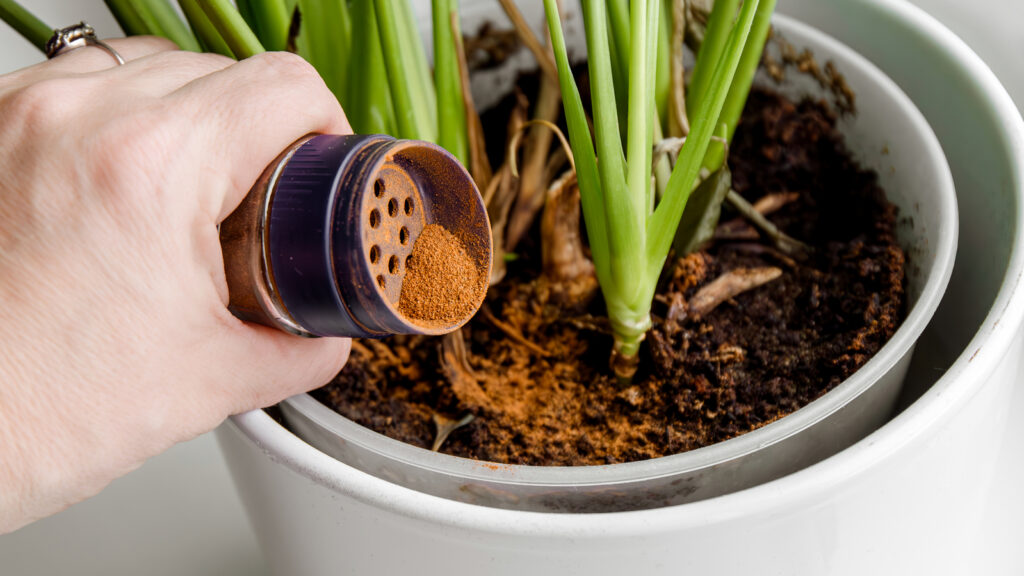
Gnats are more than just a minor annoyance; these tiny pests buzz around with a persistence that’s hard to ignore. Here are ten effective ways to keep gnats away from your house plants.
How to Outsmart Gnats to Keep Them Away From Your Houseplants
Budget-Friendly Front Yard Ideas for Stunning Curb Appeal

Improving your home’s curb appeal not only presents well but can also boost your home’s value. Here are 28 to give your front yard the attention it deserves and transform it into a beautiful and inviting space you can be proud of.
28 Budget-Friendly Front Yard Ideas for Stunning Curb Appeal