

Squash comes in all shapes and sizes—from tender summer varieties like
If you’ve struggled with squash in the past or are growing it for the first time, companion planting can make a big difference. Choosing the right neighbors can help protect your plants, improve soil health, and even boost your harvest. Here are 16 of the best companion plants to grow alongside your squash.
Corn

Corn and squash grow well together, making them an excellent match for companion planting. The tall stalks of corn offer natural support for vining squash, helping it grow upward instead of spreading across the ground—perfect for saving space in smaller garden beds.
Corn also provides some light shade, which helps protect squash from intense summer heat and keeps the soil from drying out too quickly. Since they have different root depths and nutrient needs, they won’t compete much below the surface. This balanced partnership allows both plants to thrive side by side.
Borage

Borage is a magnet for pollinators and beneficial insects, which makes it a perfect companion for squash. Its star-shaped flowers attract bees while also drawing in pest-eating insects like ladybugs.
Borage is especially effective in controlling aphids and hornworms. It self-seeds easily, so keep an eye on spreading, but its benefits are well worth including in your squash bed.
Calendula

Calendula brings bright color to the garden and a subtle, musky scent that many pests find unappealing. It helps deter squash bugs, aphids, hornworms, and flea beetles—pests that often bother squash. These cheerful flowers are low-maintenance and grow quickly, offering both protection and pollination support as they spread across the garden bed.
Marigolds

Marigolds are one of the most well-known companion plants—and for good reason. Their strong scent repels a wide range of pests, including squash bugs, aphids, nematodes, and beetles that often target squash.
Why Marigolds Deserve a Spot in Your Garden Year After Year
Radishes

Radishes serve as an effective trap crop, drawing pests like squash bugs and
Nasturtiums

Nasturtiums are a dual-purpose powerhouse in the squash patch. They attract pests like aphids and squash bugs away from your main crop, while also bringing in beneficial insects like hoverflies and predatory wasps. Their trailing vines help cover bare soil, reducing weeds and keeping moisture in the ground—perfect for supporting squash growth.
Beans

Beans are nitrogen-fixers, which means they help improve soil fertility—a welcome benefit for squash, which are heavy feeders.
Sweet Alyssum

Sweet alyssum is a low-growing flower that attracts parasitic wasps—tiny but mighty allies in controlling aphids and other soft-bodied pests. Its small white blooms create a soft border around your squash while quietly working to keep pest populations in check. It reseeds easily without becoming invasive and thrives with minimal care.
Basil

Basil’s fragrant oils naturally repel pests like thrips and aphids, while its blooms attract pollinators that can improve squash fruit production. This herb is easy to tuck in between squash plants, and it grows well in the same warm, sunny conditions. Plus, it’s always a bonus to have fresh basil on hand in the kitchen.
Related: How to Dry Basil – 5 Methods
Garlic

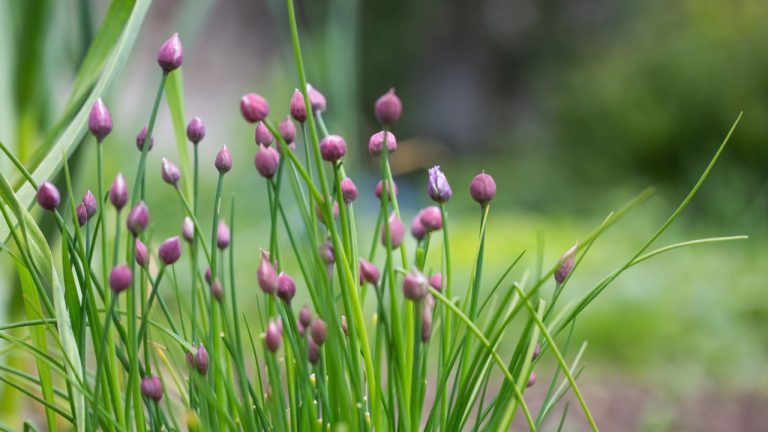
The strong scent of
20 Plants That Thrive with Garlic Chives
Dill

Dill is a magnet for beneficial insects like ladybugs, lacewings, and parasitic wasps—all of which help control pests that target squash. Plant
Sunflowers

Sunflowers will brighten up the garden, but also serve as a helpful companion to squash. Their tall, sturdy stalks can support light vining squash varieties, acting as a natural trellis in smaller spaces. Even more importantly, they attract a variety of pollinators and beneficial insects that can improve fruit set and help manage pest populations. Just be sure not to overcrowd, as
15 Yellow Perennial Flowers That Will Brighten Your Garden
Onions

Onions make a great border plant for squash. Their strong scent confuses and repels aphids, beetles, and other pests that love to feed on squash leaves and stems. Since onions have a shallow root system and grow upright, they don’t crowd out squash plants. They’re especially useful planted around the outer edge of your squash patch to form a natural protective barrier.
Chamomile

Chamomile may be known for its calming tea, but in the garden, it’s a powerhouse companion. It attracts beneficial insects like hoverflies and parasitic wasps that prey on pests commonly found near squash. It also has mild antifungal properties and can improve the health of nearby plants through its root secretions.
Marjoram

Marjoram doesn’t just smell good—it’s also one of the few herbs that actively repels squash bugs. This low-growing plant releases subtle aromatic compounds that deter pests while coexisting peacefully with squash. It won’t compete for nutrients or space, making it a smart addition to any squash-growing setup. As a bonus, marjoram also attracts pollinators when it blooms.
Peas

Peas make excellent companion plants for zucchinis because they enrich the soil with nitrogen, promoting vigorous growth. This nutrient boost enhances zucchini‘s fruit production, leading to a more abundant harvest.
12 Companion Plants to Grow Alongside Your Blueberry Bushes

Planting the right companion plants near blueberry bushes can help to ensure successful fruiting. Here are some plants that you should grow alongside blueberry bushes to help them thrive.
12 Plants to Grow Alongside Your Blueberry Bush
Grow Juicier, Tastier Tomatoes with These 15 Companion Plants

Companion planting is an age-old gardening method that can help prevent common plant issues and boost crop yields. By using some of the best companion plants for tomatoes, your harvests will be better than ever. Here are the 15 best companion plants for your tomato garden.
Grow Juicier, Tastier Tomatoes with These 15 Companion Plants