Chickens will naturally want to forage where the tastiest snacks are found, so by carefully selecting which flowers to grow, you can discourage your flock from going into the flower beds.
Thorny plants, strong-smelling herbs, and woody shrubs are all good options for chickens. For the best results, plant these in a dense barrier around flower borders, and cover them with nets until well established.
Low-growing ground cover plants are also useful, but be aware that they can be scratched and dug up by chickens in search of bugs. Look for fast-growing plants that are resistant to damage, such as mint and salvias.
Plant these around the edges of your flower beds to deter wandering chickens:
Over time, we’ve found that a combination of the methods listed above, along with careful selection of the right plants, has enabled us to create a beautiful ornamental flower border that is safe from our lovely – but destructive – flock of free-range chickens.
Lavender
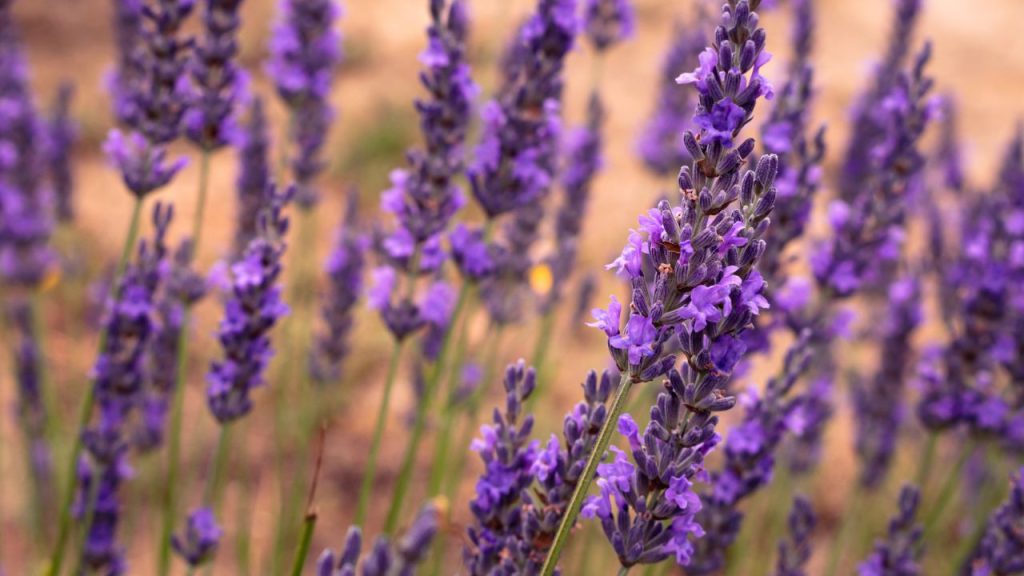
Lavender’s strong fragrance is pleasant to us but overpowering to chickens, making it an effective natural deterrent. Its woody stems and dense growth also create a physical barrier that discourages scratching and digging.
Marigolds

Marigolds have a bold scent and slightly bitter taste that chickens tend to avoid. Their bright blooms are also fast-growing, allowing them to hold their own along the edge of flower beds.
Related: Why Marigolds Deserve a Spot in Your Garden Year After Year
Thyme
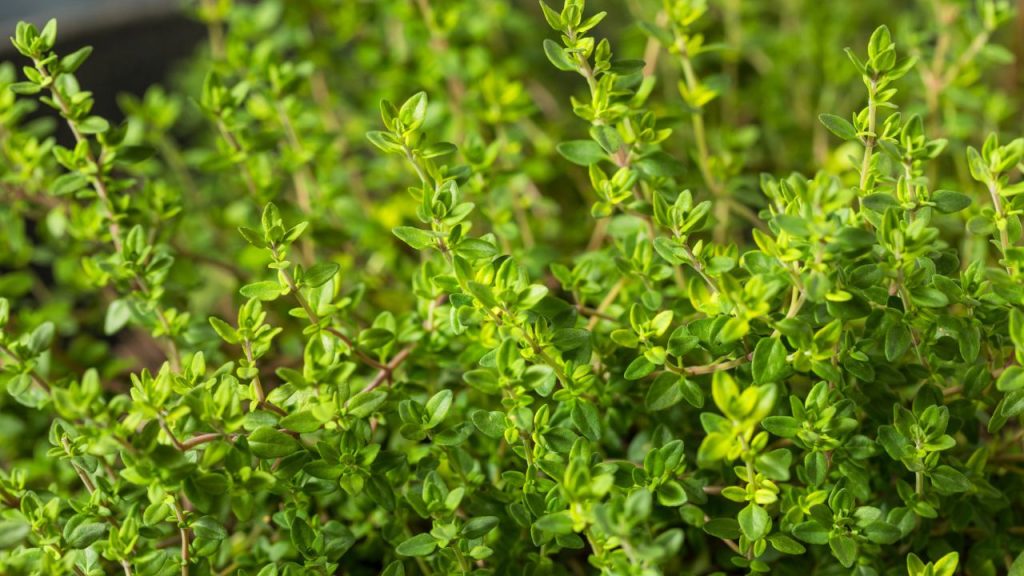
Thyme is a low-growing herb with a powerful aroma that helps keep chickens from lingering nearby. It’s resilient underfoot and forms a dense mat that makes scratching less rewarding.
Rosemary

With its sharp fragrance and prickly, woody stems, rosemary is a natural no-go zone for curious chickens. It also grows thickly, creating an excellent living border when planted in clusters.
Bee Balm

Bee balm produces a strong, minty scent that chickens generally don’t like. Its upright growth and dense clumps make it harder for chickens to trample or dig around.
Chives
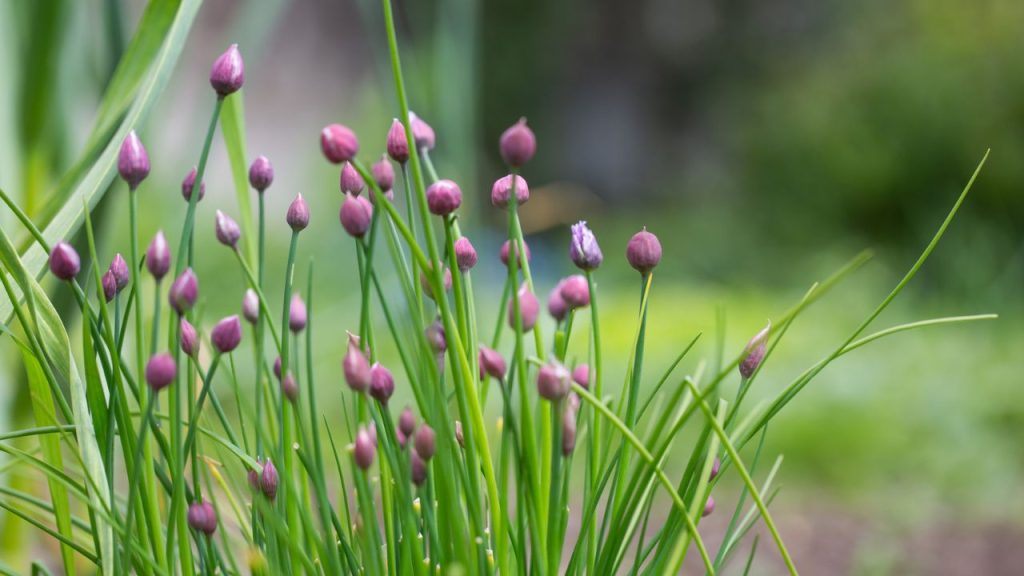
Chives give off a strong onion-like smell that chickens find unappealing. Their upright, grassy foliage bounces back well from minor damage, making them a hardy border option.
Garlic

Garlic’s pungent aroma is a powerful deterrent, and chickens are unlikely to peck at the sharp-flavored leaves. It also benefits the soil and neighboring plants, making it a helpful companion plant overall.
Peony
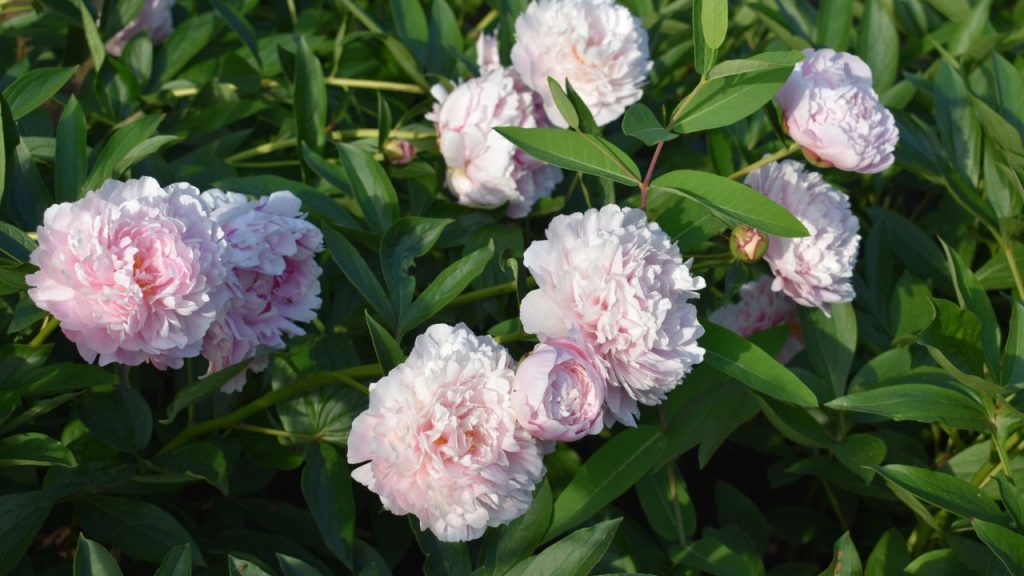
Peonies grow into thick, leafy bushes that can help block chickens from reaching more delicate plants. Their bitter-tasting foliage and large blooms also make them less attractive to foraging birds.
Salvia
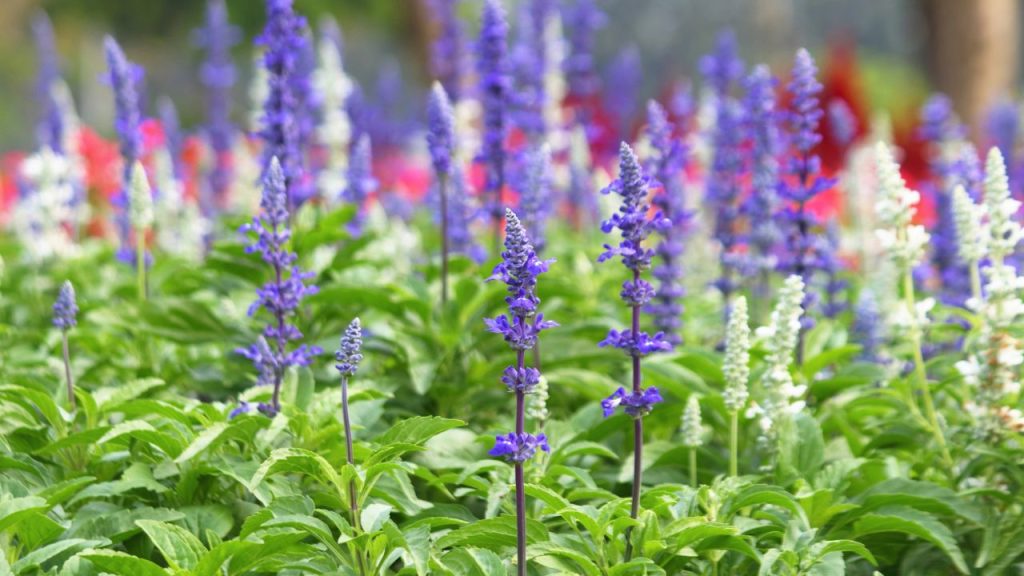
Salvia varieties are fast-growing and highly aromatic, which keeps chickens at a distance. Their tough stems and resilience also make them ideal for high-traffic garden edges.
Mint
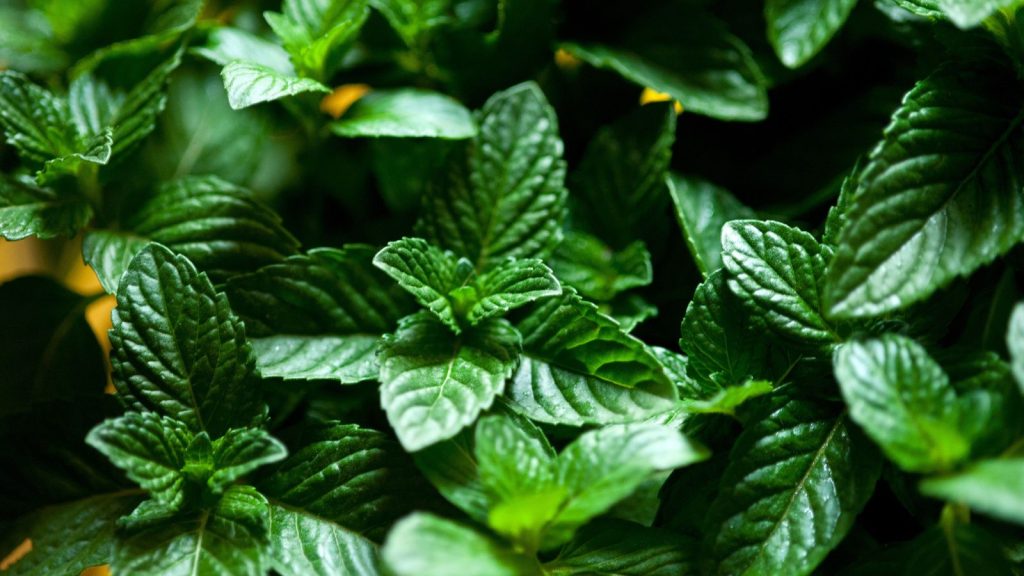
Mint spreads quickly and gives off a strong menthol scent that chickens tend to avoid. It’s best grown in containers near flower beds, as it can be invasive but still offers effective coverage.
Related: How to Grow and Harvest Mint
Lemon Balm
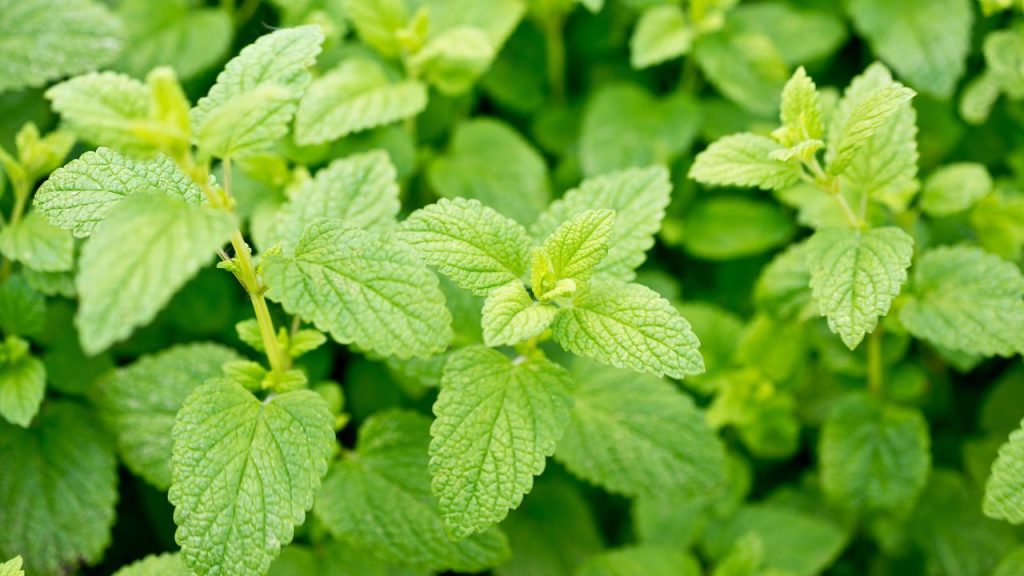
Similar to mint,
Black-eyed Susan

These tough, upright perennials are less likely to be damaged by chicken feet. Their bitter leaves and stiff stems discourage pecking and scratching.
Roses

While chickens might be curious, they usually avoid roses due to their sharp thorns and dense, woody branches. A hedge of roses can serve as a beautiful but effective barrier.
Related: 16 Plants That Will Perfectly Complement Your Roses
Coreopsis
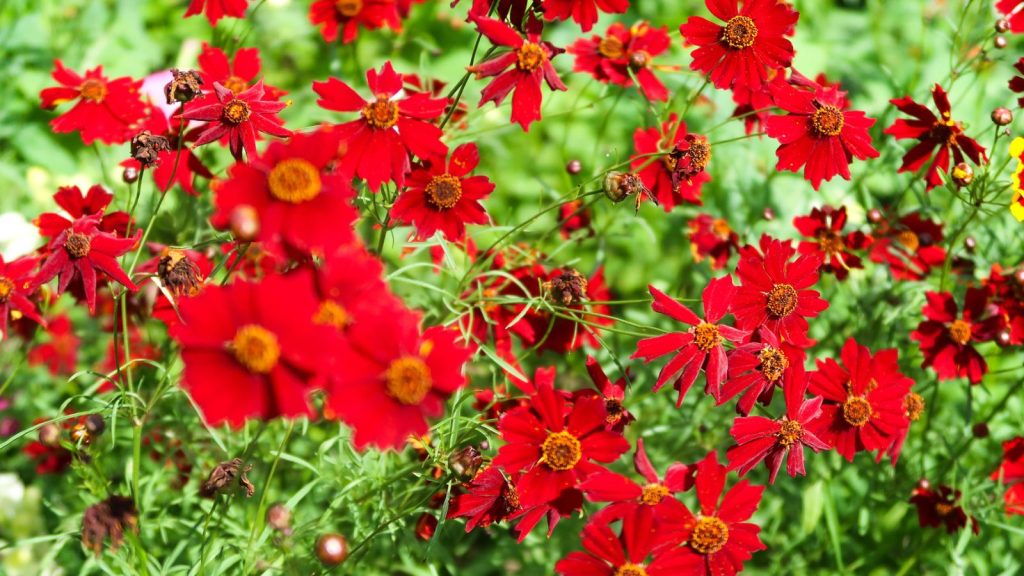
Coreopsis plants grow in tidy, clumping shapes that are hard for chickens to dig into. Their slightly bitter foliage makes them less appealing as a snack.
Coneflower

Coneflowers (Echinacea) have sturdy stems and coarse leaves that chickens tend to leave alone. Their tall blooms also help shield smaller plants behind them.
Daylilies

Daylilies grow in dense clumps with strappy leaves that can hold their own against occasional chicken traffic. They’re generally not attractive to chickens due to their texture and bitter taste.
Geraniums
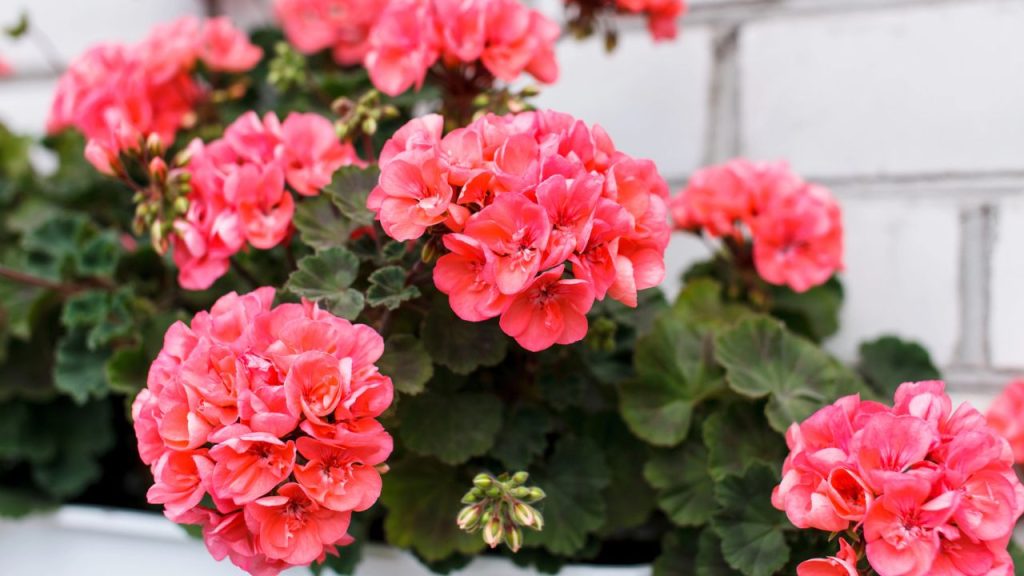
Scented geraniums, in particular, emit strong oils that chickens dislike. They’re also compact and durable, making them ideal for planting around vulnerable areas.
Snapdragons
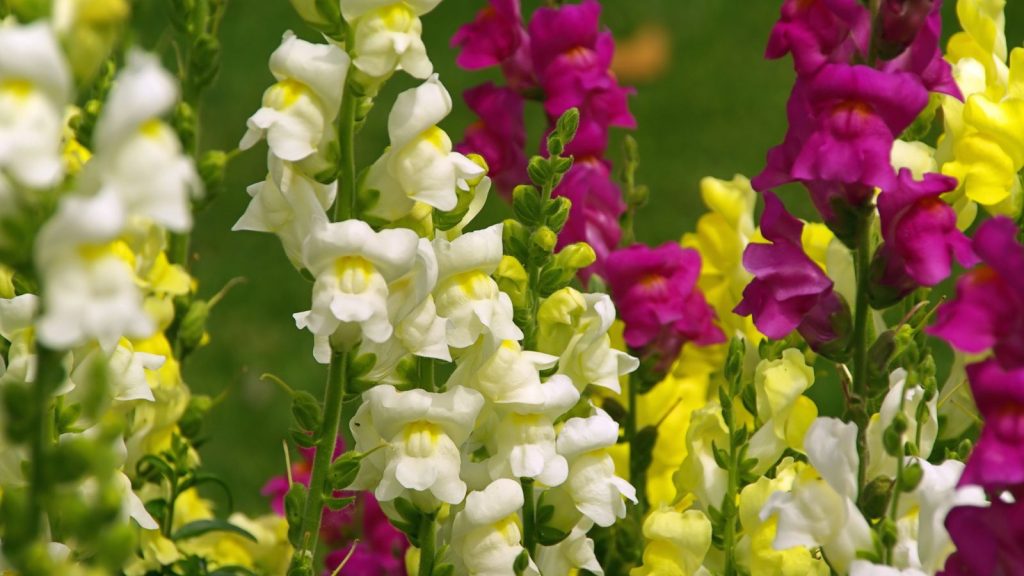
Snapdragons have bitter-tasting leaves and tough stems that discourage chickens from pecking. Their upright growth also helps protect the soil from being scratched bare.
Hollyhocks

These tall, leafy plants act as a vertical shield and are usually too coarse and fibrous for chickens to bother with. When planted in groups, they create a wall-like effect.
Ageratum

Ageratum forms dense mounds of fuzzy leaves and small blooms that chickens typically avoid. Their thick growth at soil level helps protect against scratching.
Yarrow

Yarrow’s feathery leaves and strong herbal scent are both deterrents to curious chickens. It spreads well and can fill in bare spots that might otherwise tempt chickens to dig.
Dill

While
Fennel
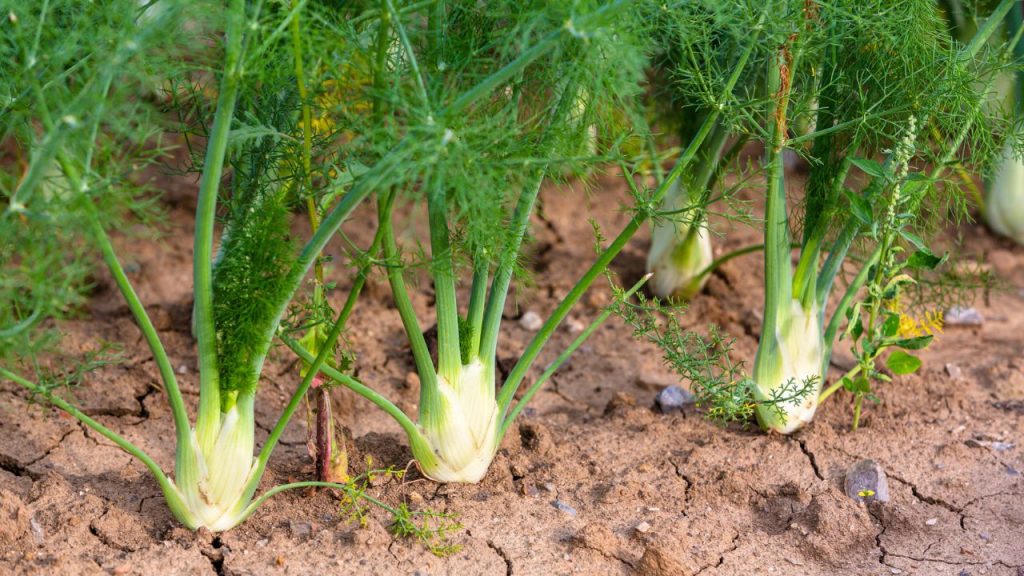
Fennel’s tall fronds and licorice-like aroma tend to repel chickens. Its bold structure can also offer some visual screening and garden height that deters traffic.
19 Things You Should Know Before Getting Chickens

Before you jump into the world of chicken-keeping, there are a few essential things to know. Here’s our comprehensive guide of 19 essential tips to help you become a confident and successful chicken owner!
19 Things You Should Know Before Getting Chickens
How to Raise Your Own Chickens

Here’s a guide on how to raise your own chickens to lay eggs and eat meat.