Hard times force people to get creative, and no era tested ingenuity quite like the Great Depression. Our grandparents and great-grandparents had to make do with what they had, stretching every resource to its limit just to put food on the table and keep their families clothed.
Many of their everyday habits—reusing fabric, making meals from scraps, and finding alternative ways to preserve food—became second nature. You might already be using some of these tricks without even realizing where they came from.
For homesteaders today, these old-fashioned skills are just as valuable as they were back then. Whether you’re looking to save money, reduce waste, or become more self-sufficient, there’s a lot to learn from the resourcefulness of past generations.
Here are some of the best Great Depression-era hacks that every homesteader should know.
Stretch Meals with Cheap Ingredients

During the Great Depression, families had to make every meal count. Stretching food with inexpensive staples like beans, rice, potatoes, and flour allowed them to create filling dishes on a budget. Adding a little oatmeal or rice to soups and stews helped make meals last longer, ensuring there was always something to eat. Even today, these simple additions can help cut grocery costs and reduce food waste.
Regrow Vegetables from Scraps

Why throw away vegetable scraps when you can turn them into fresh produce? Many vegetables, including onions, celery,
Make Bone Broth from Leftovers

No part of an animal went to waste during the Great Depression, and bones were no exception. By boiling bones with vegetable scraps, families created nutrient-rich broth for soups, stews, and gravies.
Today, making bone broth is still a great way to get the most out of your food. You can even store leftover bones in the freezer until you’re ready to make a batch.
How to Make Bone Broth in the Crock Pot
Preserve Food Without Refrigeration
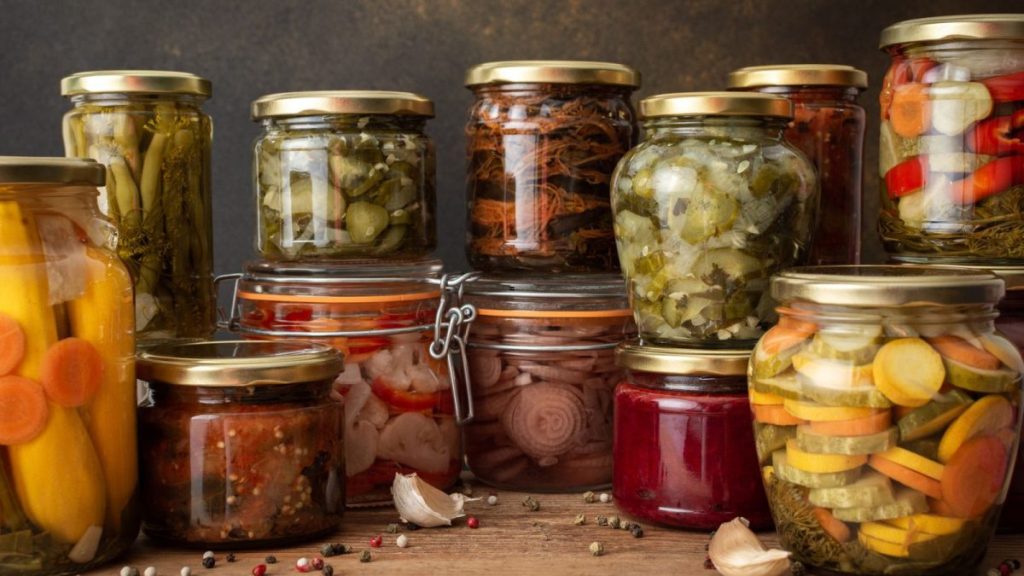
Before refrigeration, food preservation techniques like root cellaring, canning, drying, and fermenting were essential. These methods extended the shelf life of fruits, vegetables, and meats, ensuring families had food year-round. Learning these time-tested preservation skills today can reduce dependence on electricity and prevent food waste.
Forage for Wild Edibles

Nature provides an abundance of free food if you know where to look. Wild greens like dandelions, purslane, and lamb’s quarters, as well as berries and nuts, were foraged during tough times.
If you decide to forage, make sure you’re in an area that hasn’t been treated with pesticides or chemicals.
Cook with Less Fuel

Fuel was a precious resource during the Great Depression, and people found creative ways to cook using minimal wood or coal. Haybox cookers, solar ovens, and rocket stoves helped conserve energy.
Woodstoves were often used to cook meals while also heating the home. If you heat with wood, consider using the stove to cook meals, boil water, and brew coffee instead of relying on electricity.
Save and Repurpose Everything

During hard times, nothing was thrown away. Worn-out clothes were turned into quilts or cleaning rags, broken tools were repaired, and even food scraps were repurposed for compost or animal feed. This mindset of finding a second life for every item is invaluable for homesteaders looking to be more self-sufficient.
9 Ways to Upcycle an Old Men’s Flannel Shirt
Barter and Trade for Supplies

Money was scarce, so people relied on bartering to get what they needed. Homegrown food, handmade goods, and skills were traded for essential supplies.
This practice is still useful today—trading eggs for
Make Homemade Cleaning Products

Store-bought cleaners weren’t always an option, so people used simple ingredients like vinegar, baking soda, and soap scraps to keep their homes clean. These homemade solutions are not only cost-effective but also safer and free from harsh chemicals.
Sew and Mend Clothing

Buying new clothes wasn’t an option for many families, so they mended and repurposed what they had. Patching up worn-out jeans, reinforcing socks, or sewing buttons back on extended the life of clothing. If a piece of clothing was beyond repair, the fabric was saved for quilting, rags, or other practical uses.
Save and Reuse Water

Water conservation was a necessity during the Great Depression. Families collected rainwater for drinking, washing, and watering plants. Greywater from washing dishes or laundry was reused for cleaning or irrigation. This habit is just as useful today, especially for homesteaders looking to conserve resources.
Grow a Small-Scale Garden

A backyard garden was a lifeline for many families, providing fresh produce without the cost of store-bought food. Calorie-dense crops like potatoes, squash, and beans were grown to ensure food security. Even a small garden today can yield an abundance of fresh, homegrown food.
Raise Small Livestock

Keeping chickens, rabbits, or ducks provided families with a steady source of eggs, meat, and natural fertilizer. These animals required minimal space and were easy to raise, making them an essential part of self-sufficient living. Even now, backyard chickens and rabbits can help reduce grocery bills and provide a sustainable food source.
Make Homemade Soap

Soap was often made from scratch using wood ash, animal fat, and water. Some families added medicinal herbs for extra benefits. Making your own soap today is a great way to cut costs and reduce reliance on store-bought hygiene products.
Heat Your Home Without Electricity
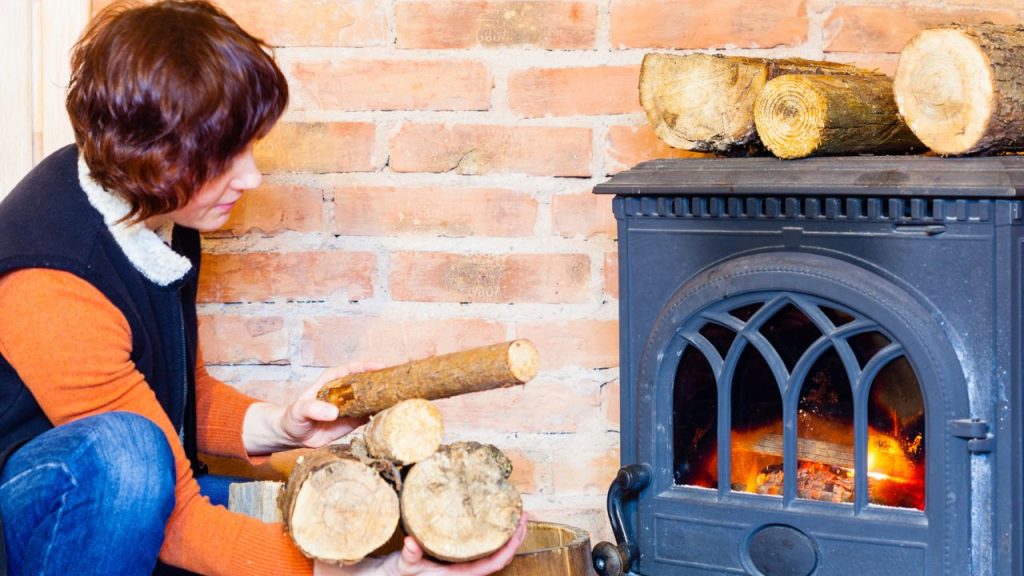
Families survived cold winters without modern heating by relying on wood stoves, heavy curtains, and passive solar heating. They closed off unused rooms, insulated windows with blankets, and used sunlight to warm their homes during the day. These simple strategies can help homesteaders reduce heating costs and stay warm off-grid.
Make DIY Candles and Oil Lamps

When electricity wasn’t available, homemade lighting solutions were essential. Candles were made from rendered animal fat or
Build and Repair with Salvaged Materials

Every material had value, and nothing was wasted. Reclaimed wood, scrap metal, and old nails were used to build or repair homes, barns, and fences.
If you’re looking for affordable materials, check with people who need old buildings torn down—many will let you take the materials for free as long as you remove them.
Use Hand-Powered Tools

Electric tools weren’t always available, so people relied on hand drills, saws, grain mills, and other manual tools. Keeping a set of non-electric tools on hand ensures that work can still be done even in a power outage.
Compost Everything Possible
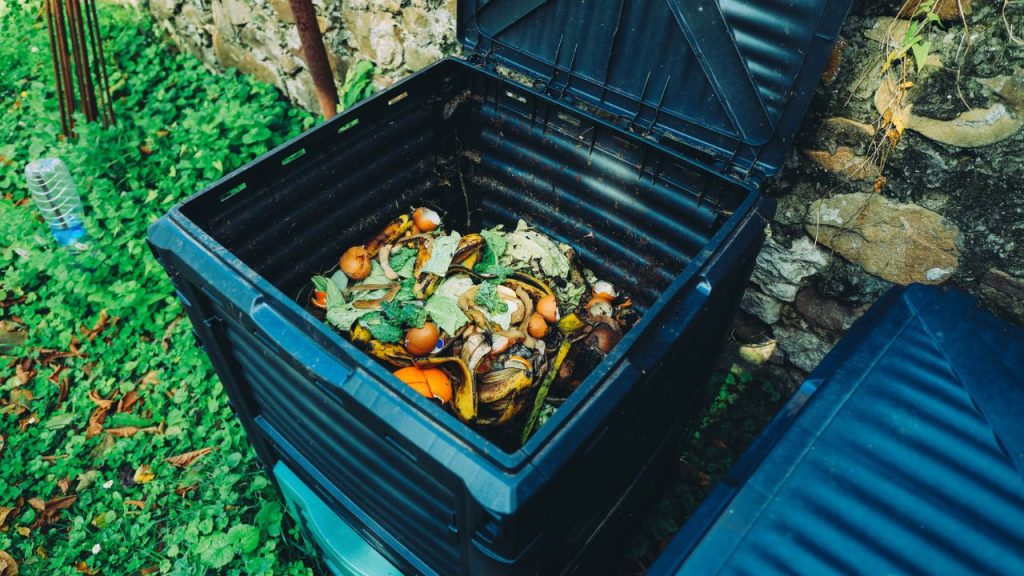
Food scraps, manure, and garden waste were composted to create nutrient-rich soil for growing food. This practice reduces waste and helps create a more sustainable homestead.
Make Simple, Homemade Remedies

During the Great Depression, people couldn’t always afford doctors or medicine, so they turned to natural remedies.
10 Vintage Remedies from Grandma’s Medicine Cabinet Worth Preserving
24 Foods to Stockpile Now with a Shelf Life of Up to 20 Years

Here are 24 essential foods with impressive shelf lives, perfect for building a stockpile you can count on for years.
24 Foods to Stockpile Now with a Shelf Life of Up to 20 Years
15 Frugal Ways to Build a Food Stockpile on Just $10 a Week

Prepping is about smart planning, not panic buying, and with patience and consistency, you’ll have a solid supply before you know it. Here are some frugal tips to help build your stockpile on just $10 a week.