Yarrow is a hardy, low-maintenance perennial that adds beauty and resilience to any garden. With its feathery foliage and clusters of brightly colored flowers, it attracts pollinators, improves soil health, and thrives in tough conditions. But like many garden favorites, yarrow benefits from the right companions.
Pairing yarrow with complementary plants can enhance its growth, attract even more beneficial insects, and create a visually appealing, balanced garden. Some plants help by deterring pests, while others thrive in the same well-drained, sun-loving conditions as yarrow, making them ideal companions.
By thoughtfully selecting companion plants, you can create a thriving garden where each plant supports the other, leading to healthier growth and a more vibrant landscape. Here are 23 great plants to grow alongside your yarrow.
Coneflower (Echinacea purpurea)
Image Credit: Deposit Photos
Coneflowers bring bold, nectar-rich blooms that last from summer to frost, making them a perfect match for yarrow. These sun-loving, drought-tolerant perennials attract pollinators and add vibrant color to garden beds while requiring little maintenance.
Peppers
Image Credit: Deposit Photos
Peppers can be a surprising yet effective companion for yarrow in the garden. While peppers are commonly paired with vegetables and herbs, they also benefit from yarrow’s ability to attract predatory insects that help control common pepper pests like aphids and spider mites.
Both plants thrive in full sun and well-drained soil, making them compatible in terms of growing conditions. Yarrow’s deep root system helps improve soil structure, allowing better moisture retention and aeration for nearby pepper plants.
Butterfly Weed (Asclepias tuberosa)
Image Credit: Deposit Photos
As a variety of milkweed, butterfly weed produces fiery orange, yellow, or red flowers that thrive in well-drained soil and full sun—just like yarrow. It attracts monarch butterflies and other pollinators, creating a garden full of movement and life.
Chamomile
Image Credit: Deposit Photos
Yarrow and chamomile make excellent garden companions, as they both belong to the Asteraceae family and thrive in similar growing conditions. Both plants prefer well-drained soil and plenty of sunlight, making them easy to cultivate together without competing for resources.
Planting yarrow alongside chamomile can enhance the health of both plants while attracting beneficial insects like hoverflies, which play a crucial role in pollination and natural pest control. Hoverflies help manage aphid populations, reducing the need for intervention while keeping your garden balanced.
Zinnias (Zinnia elegans)
Image Credit: Deposit Photos
With their bright, cheerful blooms, zinnias complement yarrow’s feathery foliage while drawing in bees and butterflies. Both plants thrive in sunny conditions and bloom for an extended period, ensuring a garden filled with color and pollinator activity.
Broccoli
Image Credit: Deposit Photos
Pairing yarrow with broccoli is a smart way to naturally manage pests in the garden. Yarrow acts as a magnet for beneficial insects, including parasitic and braconid wasps.
Cabbage
Image Credit: Deposit Photos
Planting yarrow near cabbage can provide natural pest control by attracting beneficial insects to the garden. Yarrow is known to draw in parasitic wasps and braconid wasps, both of which prey on cabbage moths and their larvae. These pests are notorious for damaging cabbage and other Brassica crops, often chewing through leaves and stunting plant growth.
Rosemary
Image Credit: Deposit Photos
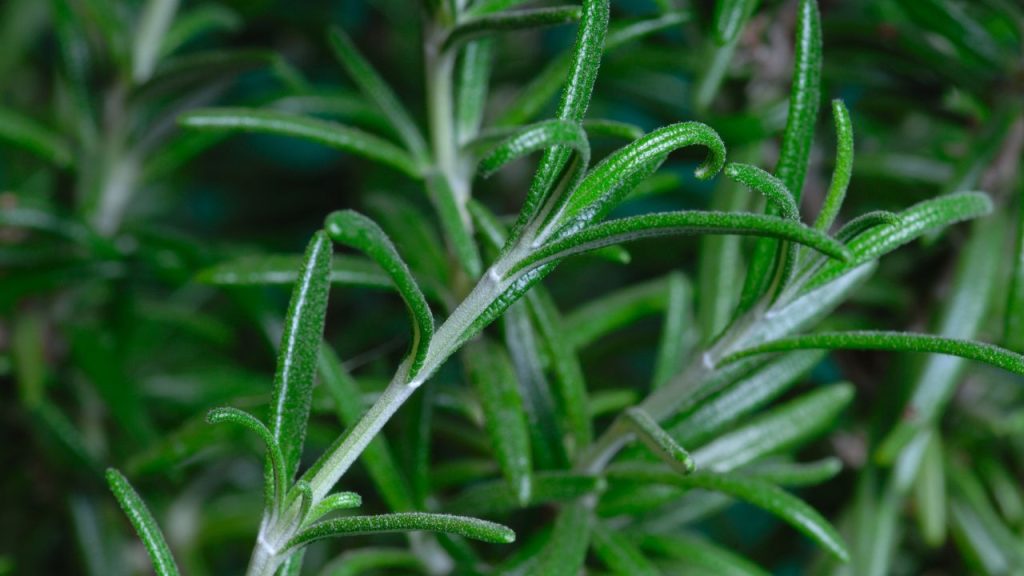
Yarrow and rosemary make an excellent pairing in the garden, working together to naturally repel pests while thriving under the same growing conditions. Yarrow’s distinct scent helps deter unwanted insects, while rosemary’s aromatic oils act as a natural defense against slugs, worms, and aphids.
Both plants are drought-tolerant, low-maintenance, and thrive in full sun, making them a hassle-free combination for vegetable gardens or herb beds.
Bee Balm (Monarda didyma)
Image Credit: Deposit Photos
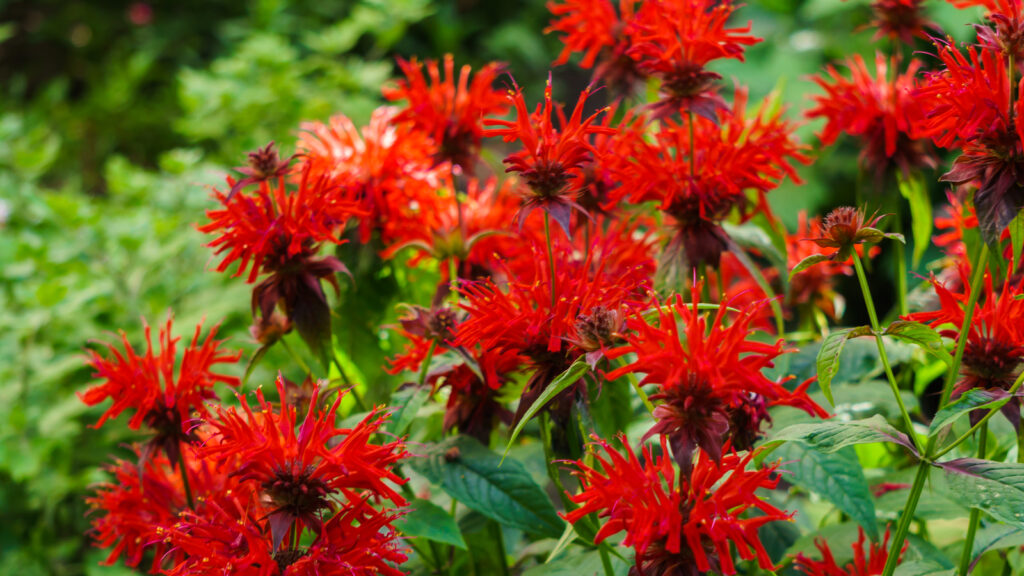
Bee balm is an excellent companion for yarrow, attracting pollinators with its aromatic, tubular flowers. As part of the mint family, it spreads easily, creating a lush garden while enhancing biodiversity.
Chives (Allium schoenoprasum)
Image Credit: Deposit Photos
Chives deter pests with their mild onion scent and produce eye-catching, pom-pom-like flowers that attract pollinators. They grow well in similar conditions to yarrow, making them a beneficial companion plant.
Tomatoes
Image Credit: Deposit Photos
Tomatoes thrive in warm, sunny conditions and benefit greatly from being planted alongside yarrow. Yarrow’s vibrant blooms attract pollinators and beneficial insects, such as parasitic wasps and ladybugs, which help control common tomato pests like aphids and hornworms.
Since both plants prefer full sun and well-drained soil, they make excellent companions, supporting each other’s growth while enhancing the overall health of the garden.
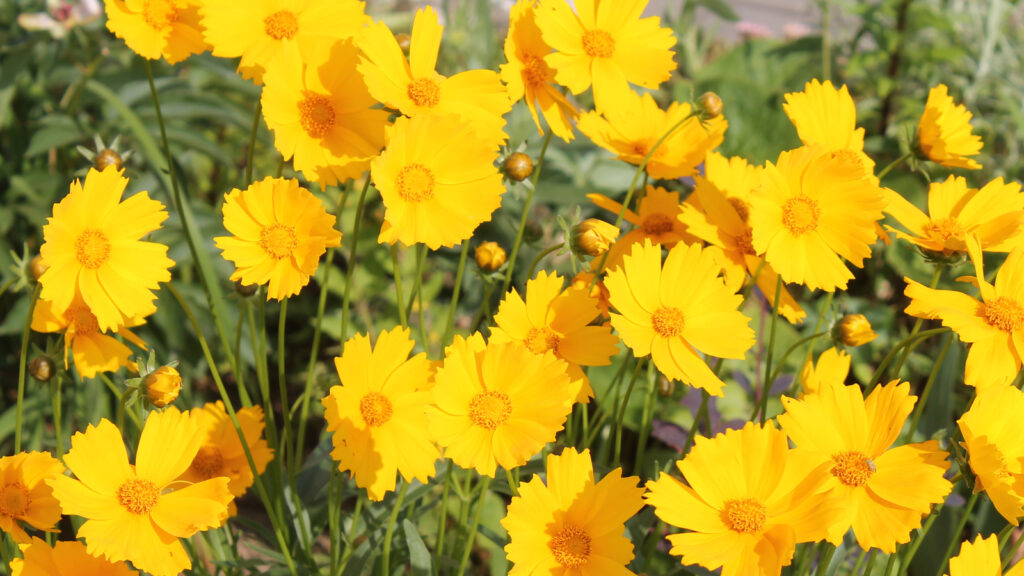
Tickseed’s daisy-like flowers bloom in shades of yellow, gold, and pink, pairing beautifully with yarrow. Both plants thrive in dry, poor soils and require minimal upkeep, making them an easy addition to low-maintenance gardens.
Thyme (Thymus vulgaris)
Image Credit: Deposit Photos
Thyme is an excellent companion for yarrow, serving as a natural pest deterrent while filling in gaps as a low-growing ground cover. Its tiny flowers attract beneficial insects, making it a great addition to a pollinator-friendly garden.
Mint
Image Credit: Deposit Photos
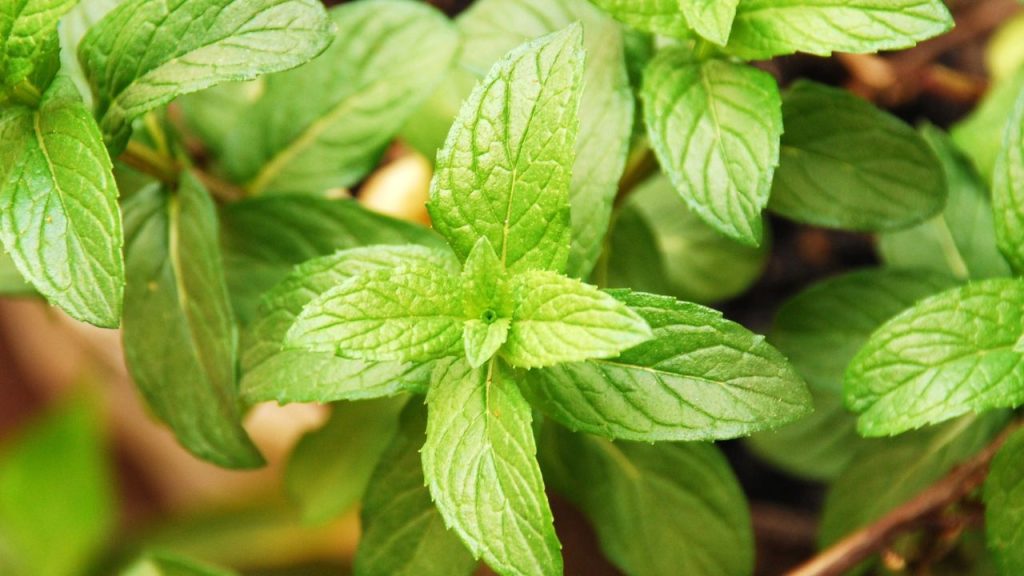
Mint is a great companion for yarrow, offering natural pest-repelling benefits that help protect nearby plants. Its strong scent deters common garden pests like aphids, cabbage moths, and even rodents, making it a useful addition to any planting arrangement.
Sage (Salvia officinalis)
Image Credit: Deposit Photos
Sage is a hardy, low-maintenance herb that repels garden pests while attracting pollinators. Its silvery-green foliage and purple flowers complement yarrow, adding texture and fragrance to the garden.
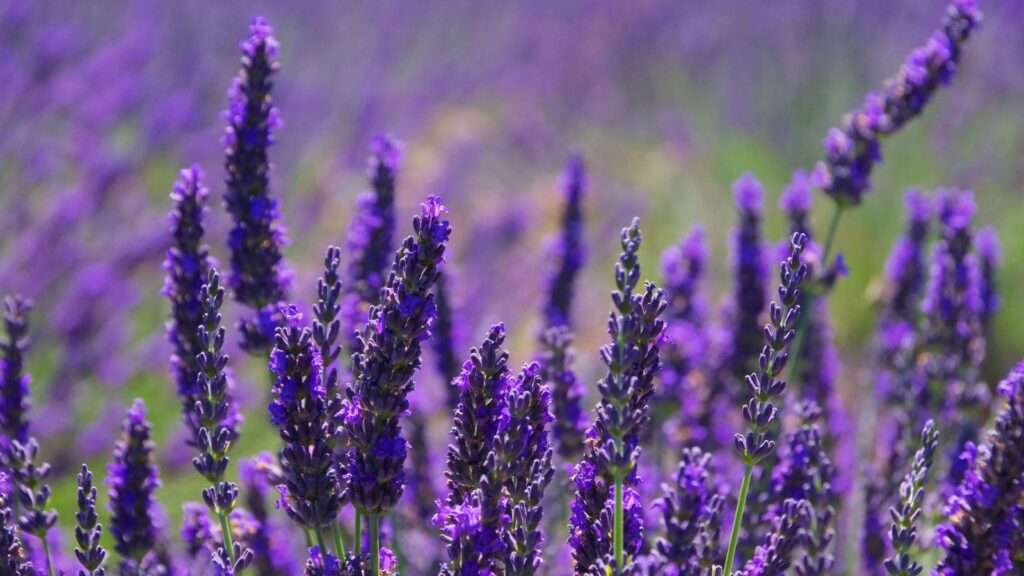
Lavender’s purple spikes add both beauty and a calming fragrance to the garden. Like yarrow, it thrives in dry, sunny conditions and attracts pollinators while deterring pests like aphids and deer.
This fragrant herb is a fantastic ground cover near yarrow, helping to suppress weeds while repelling pests. Oregano thrives in the same dry, well-drained soil and enhances the garden’s biodiversity.
Black-Eyed Susan (Rudbeckia hirta)
Image Credit: Deposit Photos
Black-eyed Susans offer golden-yellow blooms with dark centers contrasting beautifully with yarrow’s clustered flowers. Their similar growing conditions—full sun and well-drained soil—make them natural companions.
Borage (Borago officinalis)
Image Credit: Deposit Photos
Borage produces delicate blue flowers that attract pollinators while improving soil health. It pairs well with the yarrow by adding a soft, trailing element that balances the yarrow’s upright growth.
Kale
Image Credit: Deposit Photos
Kale is a quick growing leafy vegetable that can be grown in under 30 days. It grows quickly and can be harvested continuously throughout the growing season, providing a steady supply of fresh produce. Kale makes an excellent companion to yarrow.
Arugula
Image Credit: Deposit Photos
Arugula is a fast-growing annual leafy vegetable in the Brassica family and a great companion to yarrow. Its quick growth, aided by fertile soil and consistent moisture, allows for multiple harvests in one season. This super green continues producing until the ground freezes, yielding a significant amount from each plant.
Spinach
Image Credit: Deposit Photos
Spinach is a fast-growing plant that produces many leaves quickly in mild spring and fall weather. It flourishes in the consistent moisture and cool conditions of raised beds, and easy access simplifies harvesting the tender leaves. Spinach and yarrow are perfect companions.
Lettuce
Image Credit: Deposit Photos
Lettuce flourishes in cool temperatures and consistently moist soil, producing crisp, tender leaves that are perfect for fresh salads. Its shallow root system allows it to grow easily in garden beds, containers, or raised beds, where moisture levels can be carefully maintained to support rapid growth.
Paired with the right companion plants, lettuce benefits from natural shade and improved soil conditions, helping it stay hydrated and extend its growing season. Under ideal conditions, it matures quickly, often ready for harvest in less than 30 days, making it a rewarding addition to any vegetable garden.
12 Plants to Grow Alongside Your Blueberry Bushes to Keep Them Happy
Image Credit: Deposit Photos
Planting the right companion plants near blueberry bushes can help to ensure successful fruiting. Here are some plants that you should grow alongside blueberry bushes to help them thrive.