To keep your garden looking vibrant year-round, choose plants that offer more than just seasonal blooms. Think colorful foliage, unique textures, and interesting shapes that can add lasting attraction even when flowers fade. These 26 flowering plants continue to bring beauty and character to the garden, even when they’re not in bloom.
Caladium

Caladiums produce dazzling heart-shaped leaves with splashes of white, red, pink, and green. They’re popular plants to grow in containers and shady beds because of their boldness. While they’re tropical and grown as annuals in cooler zones, in USDA zones 9–11, they can be left in the ground year-round.
Maintain your caladiums by giving them dappled light and consistent moisture. If you’re in a colder zone, lift the tubers before the first frost and store them indoors for replanting the following spring.
Rex Begonia

Rex begonias might just be the most flamboyant foliage plants out there. Their spiraled, crinkled, or textured leaves come in dramatic shades of silver, purple, red, and green.
While they do flower, that’s not the reason people grow them, and they certainly do not flower indoors. Rex begonias thrive in bright indirect light and high humidity, making them an excellent choice for houseplants or summer containers. Keep their soil lightly moist and avoid direct sun to prevent leaf burn.
Coral Bells (Heuchera spp.)

Coral bells are a delightful perennial plant that forms dense foliage in shades of purple, red, and bright green. The colorful, patterned leaves look beautiful long after the bell-shaped blooms have finished, and this plant is an excellent ground cover option for woodland and rock gardens.
Coral bells are best known for their colorful leaves, which come in an eye-catching palette of purples, silvers, reds, and even lime green. These low-mounding perennials have scalloped or ruffled leaves and are excellent for adding color to shady borders.
While they do produce delicate flower spikes in spring and summer, it’s the leaves that are the real show-stealers. Plant coral bells in part to full shade in USDA zones 4–9. They prefer well-drained soil and benefit from occasional division to maintain vigor.
Coleus

Coleus is a fast-growing annual (or tender perennial in USDA zones 10–11) with deeply serrated, vividly colored leaves in hues of neon green, purple, or orange.
They shine in both sun and shade, although leaf colors may intensify under different lighting conditions. Pinch the flowers to encourage fuller foliage and avoid legginess. You can grow them in containers or garden beds.
Sedum ‘Autumn Joy’ (Sedum ‘Herbstfreude’)

Sedums are great for providing contrasting colors and shapes even when the flowering period is over. ‘Autumn Joy’ produces large, flat clusters of pink to red flowers on upright stems that mature to bronze. The succulent, green foliage turns a reddish hue in the fall, and its structural form remains striking even after the flowers have faded.
Lenten Rose (Helleborus ×hybridus)

The Lenten rose is a robust, evergreen perennial plant with dense mounds of large, leathery leaves. This low-maintenance plant produces flowers in shades ranging from white and pink to deep purple, and even when not in bloom, the foliage remains a key feature in the garden.
Sage (Salvia officinalis)

Sage is valued for its aromatic, gray-green leaves, which provide a lovely, textured backdrop in the garden. In late spring, the plant produces beautiful spikes of purple or blue flowers, but the foliage remains the main attraction year-round.
17 Companion Plants to Grow Next to Sage for Healthier, Larger Crops
Hosta (Hosta spp.)

Hosta is a popular ornamental plant. It is grown for its broad, heart-shaped leaves, which range in color from deep green to blue and gold. These shade-loving plants have a lush, clumping habit that provides texture and color even when they are not blooming.
Hostas are a garden staple known for their wide, architectural leaves, which range from glossy green to blue-gray and variegated combinations. Their texture and shape bring character to shade gardens, and while they do flower, the spikes are often secondary to the brilliance of their foliage.
They’re hardy in USDA zones 3–9, prefer moist, well-drained soil, and protection from afternoon sun. If you grow hostas, slugs are the main pest to watch out for.
Big Blue Lilyturf (Liriope muscari)

Big blue lilyturf forms clumps of grass-like foliage topped with small,
Huskers Red Beardtongue (Penstemon digitalis ‘Husker Red’)

‘Huskers Red’ beardtongue is a stunning addition to flower borders. Its striking deep red foliage and stems provide year-round color in the garden. This plant grows to 8-24 inches tall with a similar spread, and the dark leaves dramatically contrast with the bell-like pink or white flowers.
False Forget-Me-Not (Brunnera macrophylla)

With its dense clumps of heart-shaped leaves, false forget-me-not creates an attractive textured backdrop throughout the year. In the spring, this low-maintenance perennial puts on a showy display of bright blue flowers that resemble true forget-me-nots, hence the name.
18 Brilliant Blue Perennials to Add Splashes of Color to Your Garden
Begonia (Begonia spp.)

Begonia plants boast striking, asymmetrical foliage in a variety of colors and patterns, including green, bronze, red, and silver. These popular shade-loving plants produce clusters of small, vibrant flowers in shades of pink, red, white, or yellow; however, their primary appeal lies in their lush, decorative foliage, which remains attractive even when the plant is not in bloom.
Lungwort (Pulmonaria)
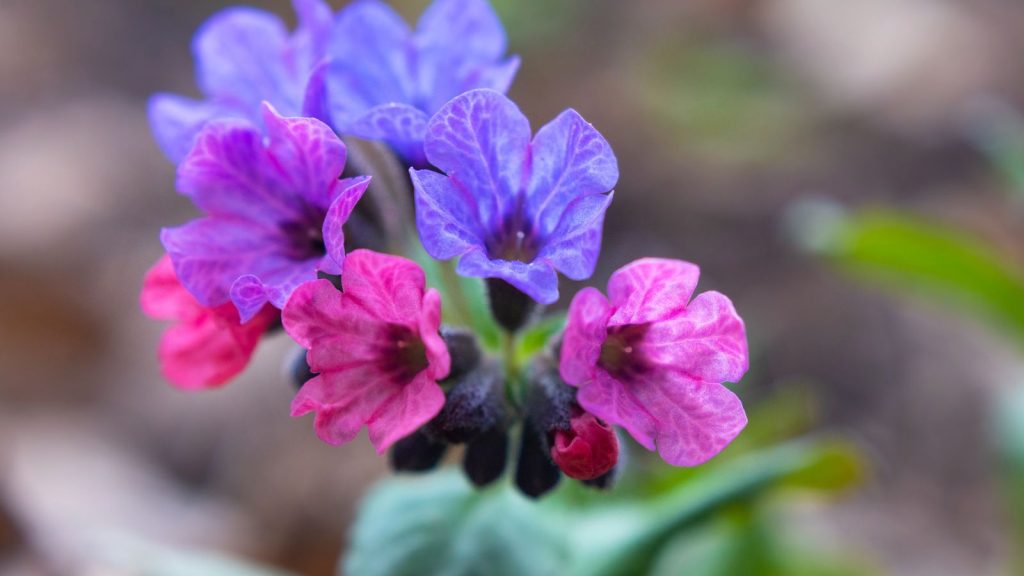
The Lungwort is a perennial loved for its speckled leaves, which resemble those dusted with silver. It blooms in early spring, but its spotted leaves remain attractive all season.
Lungwort thrives in partial shade in zones 3–8 and prefers moist, humus-rich soil. It’s especially useful for adding personality to woodland or shady cottage gardens.
Canna Lily
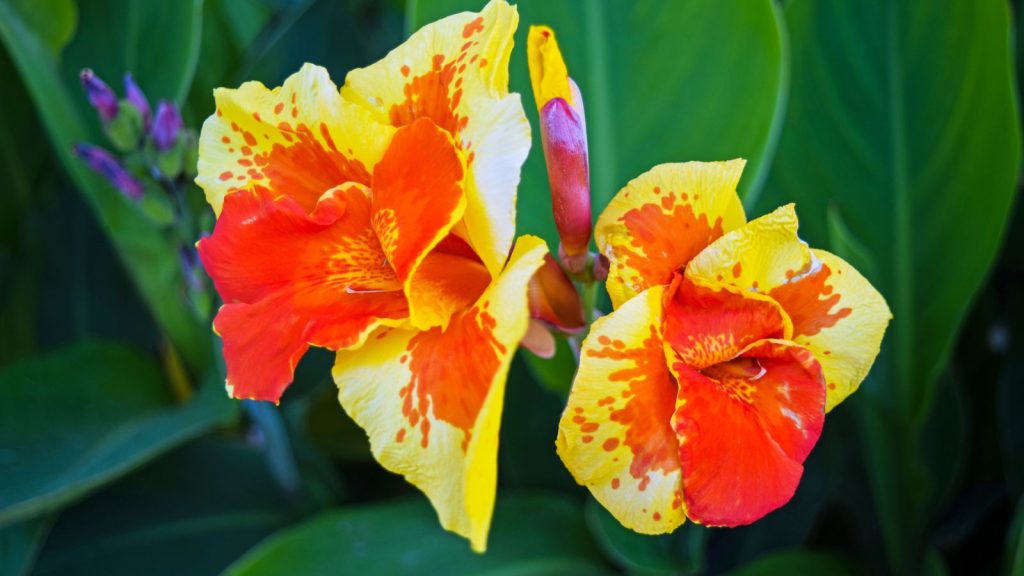
While most grow cannas for their bold summer blooms, many cultivars have variegated or deep burgundy leaves that provide months of drama even without flowers.
Ideal for full sun and rich, well-watered soil, they shine in tropical gardens or bold border designs. In zones 7–11, they’re perennials, but in cooler zones, you’ll need to lift and store the rhizomes after frost to replant.
Crape Myrtle (Lagerstroemia spp.)

Crape Myrtle creates a stunning backdrop in ornamental flower gardens. Its lush green leaves turn vibrant shades of orange, red, and yellow in the fall. This taller shrub produces vibrant, long-lasting blooms in various colors, including pink, red, white, and purple. During the winter, the top layer of bark peels away to reveal cinnamon colors, adding a splash of warmth through the cooler months.
Persian Shield (Strobilanthes dyerianus)

Persian Shield is prized for its striking, iridescent foliage that shimmers with shades of purple, green, and silver. This ensures that the plant remains a showstopper in the garden even when it is not in bloom. This small, bushy plant thrives in warmer climates and produces violet-blue flowers atop the lance-shaped leaves in late spring.
Persian shield deserves a spot on this list because its leaves shine, literally. Its iridescent purple, blue, and silver leaves shine in the light and look good even without blooms.
It thrives in partial shade and moist, well-draining soil in USDA zones 9–11, or as a houseplant. Maintain high humidity and prune to keep the plant bushy.
Japanese Painted Fern (Athyrium niponicum)

The Japanese painted fern does look like each leaf was carefully painted with soft brushstrokes. It adds a dreamy, ethereal touch to any shady garden corner with its silvery-blue fronds brushed with deep burgundy.
It thrives in moist, well-drained soil and does best in part to full shade in USDA zones 3–8. It’s virtually maintenance-free and deer-resistant.
Paperplant (Fatsia japonica)

Paperplant, also known as figleaf palm, is an evergreen shrub native to Japan and Korea. It adds a bold, tropical look to shaded spots with its large-leaved, glossy, palmate leaves.
Paperplant thrives in part to full shade in USDA zones 8–11 and can even be grown as a houseplant in colder areas. It tolerates pollution and poor light well, making it a great choice for patios or shady borders. Water regularly, but avoid overwatering to the point of making the soil soggy.
14 Ways to Dry Out Soggy Soil and Correct Overwatering Mistakes
Ornamental Kale

Ornamental kale belongs to the same species of edible kale, except that its deeply ruffled leaves come in fancy shades of purple, pink, and cream. They’re also edible, though more bitter than traditional kale.
This cool-weather annual is great for adding color to your garden in fall or winter, even as the rest of the garden fades. Plant ornamental kale in full sun in fall for USDA zones 2–11.
Dusty Miller (Senecio cineraria)

The silver leaves of the dusty miller plant are often used as a contrast in flower beds and containers. The pale leaves stand out especially well when paired with deep purples, reds, or blue flowers.
This annual (also grown as a perennial in USDA zones 8–10) is drought-tolerant and resistant to pests. Plant in full sun with well-draining soil.
Sweet Potato Vine (Ipomoea batatas)
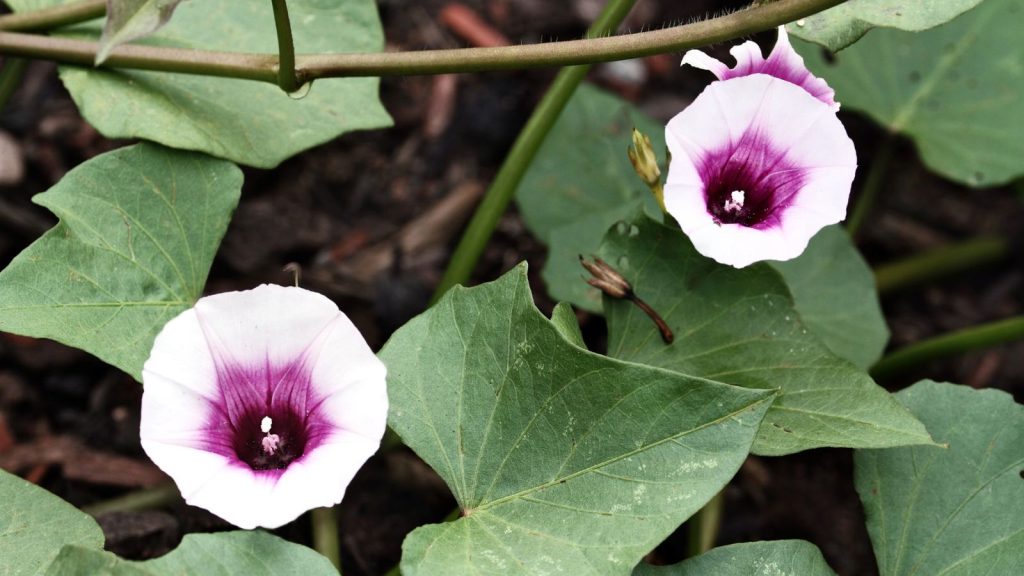
Sweet potato vine is grown for its cascading, heart-shaped leaves, which come in neon green or deep burgundy. Sweet potato vine is a fast grower that adds bold texture to hanging baskets or garden borders.
It prefers full sun but tolerates partial shade as well, growing best in zones 9–11 (or as an annual in other zones). While it can flower, most gardeners grow it purely for the beautiful leaves.
Elephant Ear (Colocasia, Alocasia, and Xanthosoma)

Elephant ears are a group of tropical giants that make an instant statement with their massive, shield-shaped leaves. Some varieties are deep purple or nearly black in color.
They love heat, moisture, and rich soil. Plant in full sun to part shade in zones 8–11, or in containers that can be brought indoors over winter. Keep them consistently moist.
Bugleweed (Ajuga)

Bugleweed is a fast-spreading groundcover with glossy leaves in shades of burgundy, bronze, and green, sometimes even variegated. It sprouts short flower spikes in spring, but its evergreen foliage remains colorful all year round.
Bugleweed is perfect for underplanting or filling shady gaps. It grows well in USDA zones 3–10, tolerates foot traffic and poor soil, but not overwatering.
Pig Squeak (Bergenia)
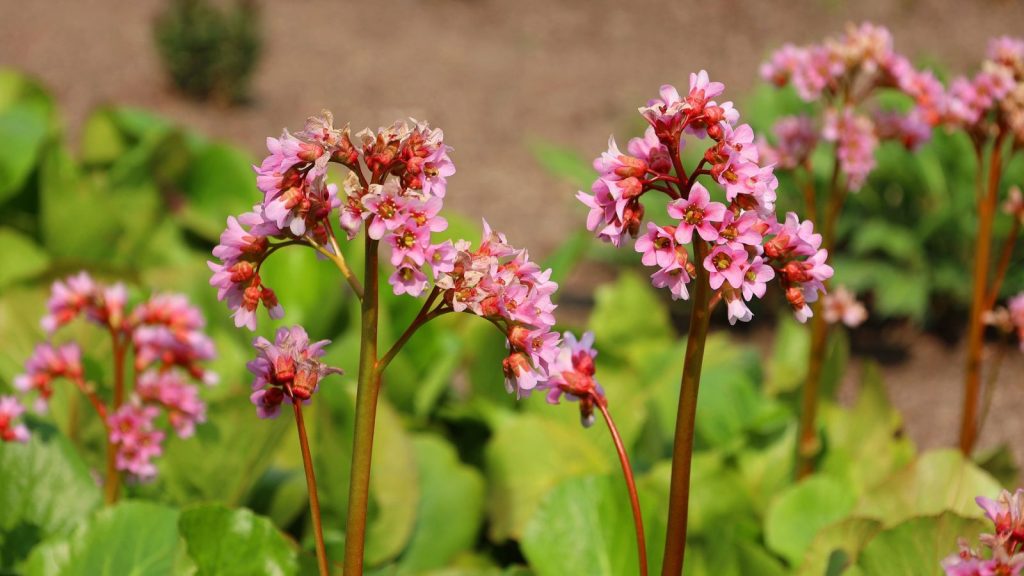
Pig squeak gets its interesting name from the squeaking sound (reminiscent of a pig’s squeal) the leaves make when rubbed together. It features thick, leathery green leaves that turn a stunning burgundy in cold weather, adding multi-season interest.
It blooms in spring but remains attractive all year, even in snow. Great for shady borders in zones 3–8. It prefers moist but well-drained soil and will slowly form a ground-covering clump over time.
Silver Mound (Artemisia schmidtiana)

Silver mound is a soft, silvery-gray shrub-like perennial with a lot of attention-grabbing texture and volume. Its finely cut silver foliage contrasts beautifully with other deep green or dark-leaved plants. It thrives in full sun and poor soil, tolerates drought, and is deer-resistant.
It’s ideal for dry or Mediterranean-style gardens in USDA zones 6– 9. Prune the leaves lightly to keep them compact and cute.
Japanese Forest Grass (Hakonechloa macra)
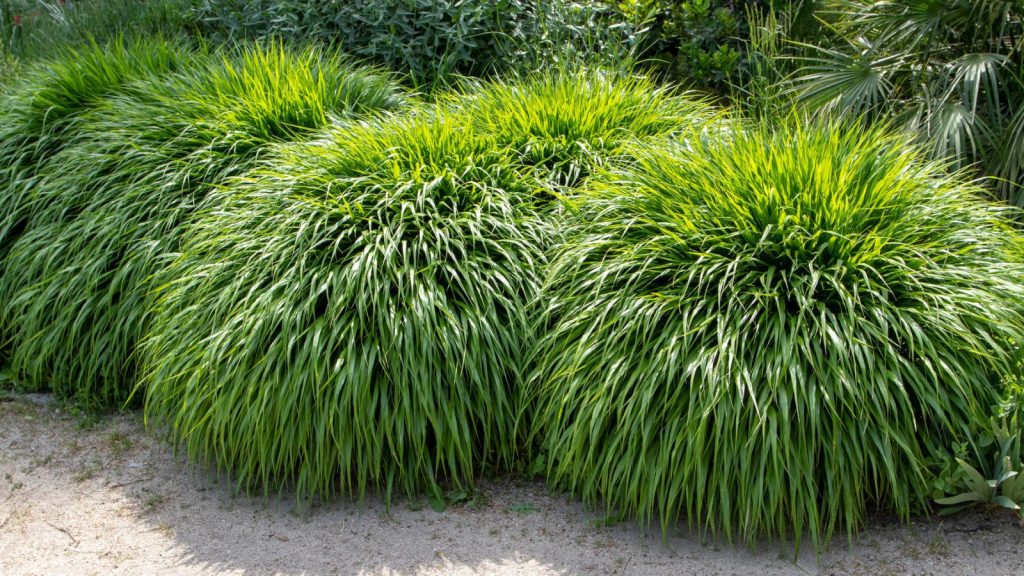
The Japanese forest grass embodies grace and elegance with its cascading leaves. Its variegated yellow-green foliage lights up shady corners and provides a soft, flowing effect that plays well with hostas and ferns. It grows best in USDA zones 5–9, in partial to full shade, and in moist, well-drained soil.