This post may contain affiliate links.

Share this post or pin it for later!

Zinnias are some of the most gorgeous, resilient flowers to grow in your garden. They are strikingly beautiful and will fill your garden with lots of color throughout the growing season.

Their long-lasting blooms don’t just brighten up flower beds—they also attract bees, butterflies, hummingbirds, and other helpful pollinators. While zinnias are easygoing, they thrive even more when planted alongside the right companions. Some plants help enhance their growth, deter pests, or create a stunning visual contrast.

Here are 14 plants that are great companions to your Zinnia flowers.

Dahlias

white dahlia
Image Credit: Deposit Photos

Dahlias are a stunning addition to any garden and make excellent companions for zinnias. Both flowers thrive in full sun and well-drained soil, creating a vibrant and long-lasting display.

With their bold blooms and similar growing requirements, dahlias and zinnias complement each other beautifully, attracting pollinators while adding texture and color to garden beds. Whether planted in mixed borders or garden beds, this pairing ensures a season full of bright, cheerful blooms with minimal maintenance.

Asparagus

asparagus
Image Credit: Deposit Photos

Asparagus is one of the most common perennial vegetables you can plant in your garden. As a perennial, it takes patience—needing about 2 to 3 years before the first harvest—but once established, it can keep producing for up to 15 years.

Zinnias add color, attract pollinators, and help deter pests that might target asparagus. Asparagus thrives in full sun and well-drained soil, making it a natural companion for zinnias.

Marigolds

marigolds
Image Credit: Deposit Photos

Marigolds are one of the best companion plants for zinnias due to their natural ability to repel aphids, nematodes, and other common garden pests. Plus, the vibrant blooms of marigolds draw a variety of beneficial insects, from bees to butterflies and wasps.

Their bright colors and diverse textures make them a visually appealing addition and companion to zinnias. Planting marigolds alongside your zinnias can create a healthier, more balanced garden environment.

Black Eyed Susan

black eye susan
Image Credit: Deposit Photos

Black-Eyed Susans, with their bright yellow blooms, make perfect companions for zinnias, creating a vibrant, pollinator-friendly garden. These hardy, sun-loving flowers attract butterflies while requiring minimal care.

They thrive in a variety of conditions, resist most pests, and bloom from midsummer until the first hard frost. Whether used as a border, ground cover for sunny areas, or planted in clusters throughout a flower or vegetable garden, Black-Eyed Susans add lasting color and charm. Ideal for Zones 3-9, they pair beautifully with zinnias to keep your garden lively and full of pollinators all season long.

Peppers

Red pepper on a plant. Gardening
Image Credit: Deposit Photos

Both sweet bell peppers and hot chili varieties grow well when planted alongside zinnias. Peppers benefit from the extra pollinators these bright blooms attract, leading to better fruit production and a healthier garden overall.

Cosmos

cosmos
Image Credit: Deposit Photos

Cosmos and zinnias make the perfect garden pair, bringing color, movement, and pollinators from summer through fall. Their daisy-like blooms and airy foliage create a natural, cottage-garden feel, while their ability to thrive in full sun with minimal care makes them an easy choice for any gardener.

Cosmos are especially great at attracting ladybugs, which help keep aphids and other pests in check—benefiting both flowers and nearby plants. Available in shades of pink, white, red, orange, and purple, cosmos add effortless beauty and pair beautifully with zinnias for a lively, pollinator-friendly garden.

Kale

kale
Image Credit: Deposit Photos

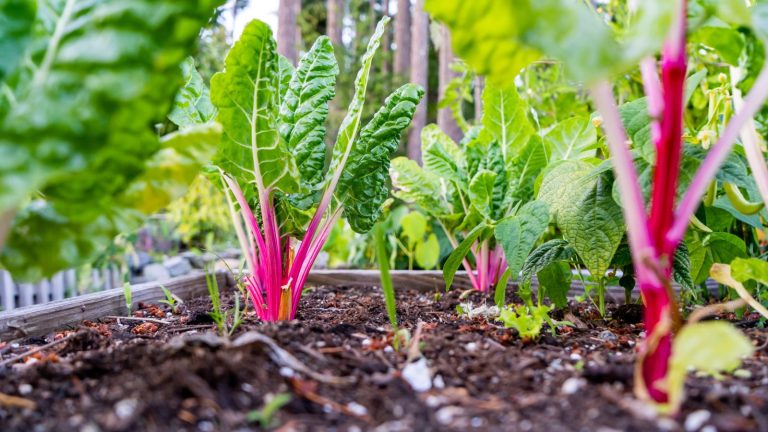
Kale is a hearty, nutrient-dense vegetable that grows well in garden beds, containers and even vertical setups. Its hardy nature makes it an easy, low-maintenance choice, especially for extending the harvest into the cooler months.

When paired with zinnias, kale benefits from the pollinators these bright flowers attract while gaining a natural companion that helps deter pests. Whether growing a lush vegetable patch or mixing edibles with flowers, kale, and zinnias make a practical and beautiful pairing.

Cucumbers

cucumber
Image Credit: Deposit Photos

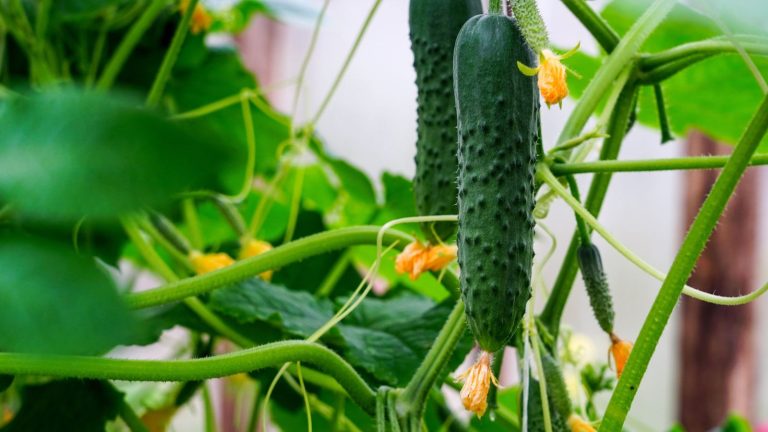
There’s nothing more refreshing than a cool, crisp cucumber straight from the garden. These vining plants thrive in warm, well-drained soil and are surprisingly easy to grow. With the right support, they can be trained to climb, making them a great space-saving option for any garden.

When planted alongside zinnias, cucumbers benefit from the extra pollinators these vibrant flowers attract, leading to better fruit production. Plus, zinnias help draw in beneficial insects that can keep common cucumber pests in check. Together, they create a productive and beautiful garden pairing.

Sweet Alyssum

alyssum
Image Credit: Deposit Photos

Sweet alyssum is a low-growing, delicate bloomer that makes the perfect companion for zinnias. Acting as a living mulch, it spreads across garden beds, helping to suppress weeds while adding a soft, fragrant touch beneath taller flowers.

Thriving as an annual in most climates, sweet alyssum keeps blooming from spring until the first frost, even pushing through the hottest months with a little afternoon shade. Its tiny blossoms don’t just brighten up borders—they also attract beneficial insects like ladybugs, which help control pests naturally. Planted alongside zinnias, sweet alyssum creates a beautiful, pollinator-friendly garden that’s as practical as it is charming.

Tomatoes

Cherry tomatoes
Image Credit: Deposit Photos

Tomatoes thrive in warm, sunny conditions, making them a staple in many home gardens. Once in the garden, tomatoes pair beautifully with zinnias, which attract pollinators and beneficial insects that help keep pests in check.

The bright blooms also add a cheerful pop of color among the vines, creating a productive and visually stunning garden space.

Sunflower (Helianthus Annuus)

sunflower
Image Credit: Deposit Photos

Sunflowers and zinnias make a perfect garden duo, creating a vibrant, pollinator-friendly space filled with color and life. With their towering stems and golden blooms, sunflowers provide a striking backdrop for zinnias while attracting beneficial insects like ladybugs and bees.

Their pollen-rich flowers help support a healthy garden ecosystem, drawing in pollinators that also benefit nearby plants. Sunflowers thrive in full sun and well-drained soil, growing quickly from seed when sown directly in the garden. Whether you plant them as towering giants or compact varieties, pairing sunflowers with zinnias adds beauty, biodiversity, and natural pest control to your garden.

Salvia

purple salvia
Image Credit: Deposit Photos

Salvia and zinnias are a perfect match in the garden, bringing bold color and plenty of pollinators to your space. With their vibrant spikes of purple, red, or blue flowers, salvia thrives in full sun and is highly drought-tolerant, making it a low-maintenance companion for zinnias.

These hardy blooms are magnets for hummingbirds, butterflies, and bees, creating a lively and beneficial garden ecosystem. Whether planted in flower beds or borders, salvia adds vertical interest and a striking contrast to zinnias‘ bright, daisy-like blooms, making for a dynamic and pollinator-friendly pairing.

Petunia

Depositphotos 371261538 L Petunia e1712048003512
Image Credit: Deposit Photos

Petunias and zinnias make a colorful, easygoing pair in the garden. With trumpet-shaped blooms in shades of purple, pink, white, and red, petunias are a magnet for hummingbirds and other pollinators.

Their compact growth makes them perfect for containers, borders, and even hanging baskets, where they spill over with nonstop blooms. When planted alongside zinnias, they create a stunning mix of textures and colors that lasts all summer—especially if you take the time to deadhead spent flowers. Petunias and zinnias add vibrant beauty and pollinator-friendly charm to any garden space.

Coneflower

Echinecea coneflower
Image Credit: Deposit Photos

Coneflower, also known as Echinacea, cornflower is a hardy, low-maintenance plant that thrives in full sun. Its nectar-rich blooms are a magnet for ladybugs and other beneficial pollinators like bees and butterflies. Pairing coneflower with zinnias to your landscape will attract helpful insects that naturally keep pests in check while enjoying its vibrant, long-lasting flowers.

14 Pretty Flowering Shrubs and Bushes to Boost Curb Appeal
Camellias
Image Credit: Deposit Photos

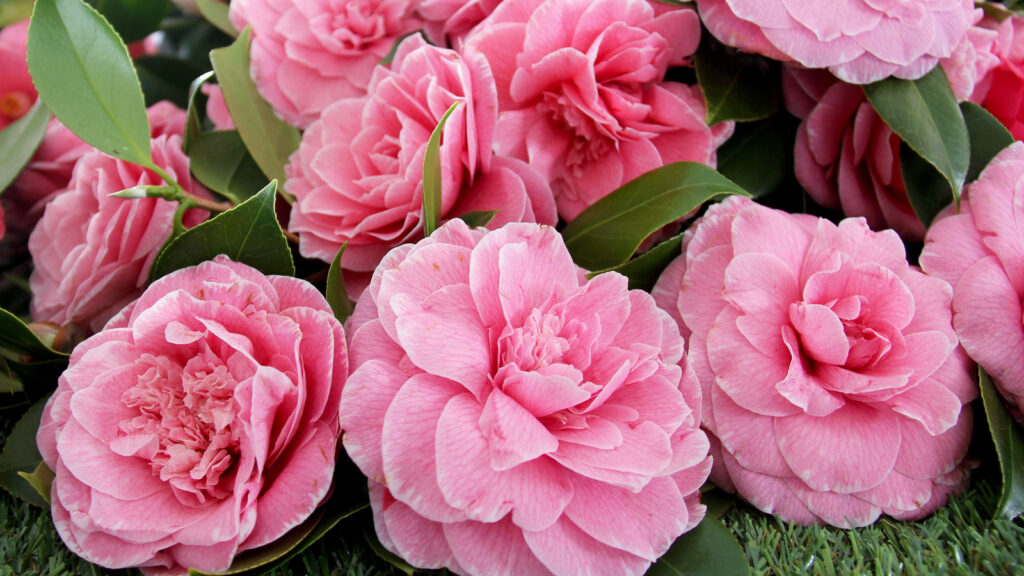
Choosing the right shrubs and bushes is important for both appearance and functionality in your landscape design. These plants help increase your home’s curb appeal by providing color and beauty from spring through fall. Here are 14 attractive flowering shrubs and bushes to enhance your curb appeal.

14 Pretty Flowering Shrubs and Bushes to Boost Curb Appeal

29 Blossoming Handmade Paper Flower Crafts

DIY Heart Paper Flowers
Image Credit: The Thrifty Apartment

One of the nice things about paper flowers is how easy they are to make. You can use beautiful spring colors, cupcake liners, tissue paper, and other simple supplies. We’re excited to share some flower craft ideas that we think will be a hit with both kids and adults.

29 Blossoming Handmade Paper Flower Crafts

14 Homemade Bird Feeders to Fill Your Garden With Beautiful Birds

bird feeder
Image Credit: The Thrifty Apartment

With these 14 DIY bird feeders, you’ll be creating a welcoming space for your feathered friends.

14 Homemade Bird Feeders to Fill Your Garden With Beautiful Birds

Share this post or pin it for later!

Similar Posts

Leave a Reply

Your email address will not be published. Required fields are marked *