


Being prepared with an emergency food supply is essential for your family’s safety, but figuring out where to store it can be tricky—especially if space is limited. You can’t just stack it on the kitchen counter and call it a day.
The key is finding hidden or underutilized spaces that keep your supplies organized, protected, and easily accessible when needed. Here are some clever storage ideas to help preppers maximize their space while keeping their emergency food stash secure.
Kitchen Pantry

The pantry is the most obvious and convenient spot for emergency food. Organize your supplies with labeled containers and stackable shelves to maximize space. Organizers will help you save a ton of space.
Basement

If your home has a basement, it’s an ideal location due to its cool and stable temperature. Be sure to store food off the floor to prevent water damage in case of flooding. If your basement is particularly damp, use a dehumidifier to keep the moisture level down.
Under the Bed

The space under your bed is an often-overlooked but practical spot for emergency food storage. Slim, flat containers can hold canned goods, dehydrated foods, or other non-perishables while staying neatly out of sight. Using pantry-style can organizers makes it easy to rotate supplies—pull from one side and restock from the other to keep everything fresh and accessible.
Closets

An unused closet, especially in a spare bedroom, can be an ideal hidden spot for emergency food storage. Adding shelves or stackable bins helps maximize space and keep supplies organized. This discreet storage solution keeps your food stash out of sight while still being easily accessible when needed.
Garage

A garage can be a convenient spot for storing large quantities of emergency food, but temperature control is key. Insulating the space and keeping food off the floor can help protect supplies from extreme heat and pests. Be mindful of summer temperatures, as excessive heat can cause canned goods to spoil or bulge.
Attic

While attics can get hot, they’re suitable for items that aren’t temperature-sensitive, like freeze-dried meals. Use airtight containers to protect against humidity and pests.
Behind Furniture
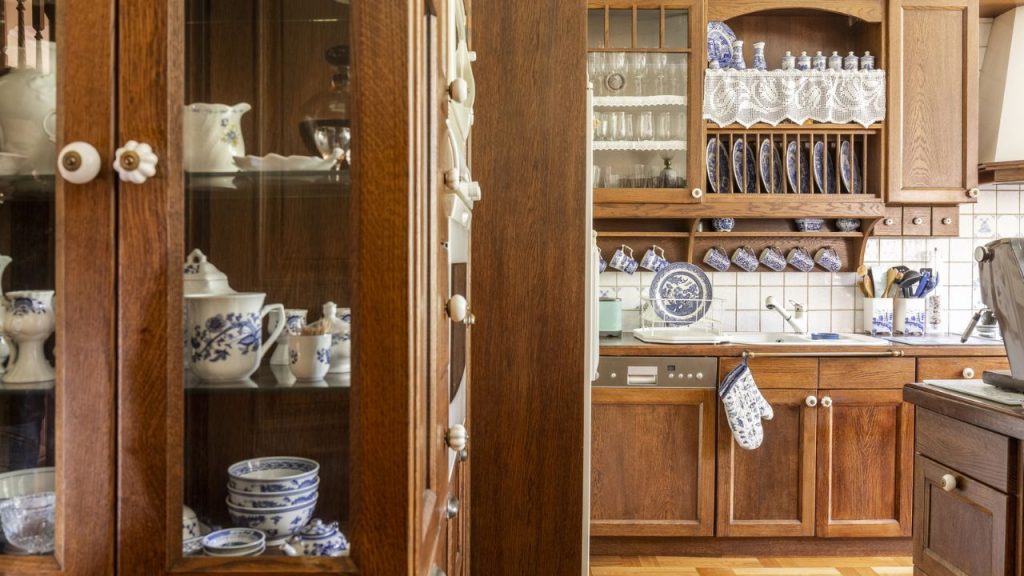
The space behind couches or large cabinets can serve as a hidden storage area. Use narrow containers or vacuum-sealed bags to save space.
Cupboards Above Appliances

Cupboards above refrigerators or ovens are perfect for storing lightweight, non-perishable items like boxed meals and pasta. These cupboards tend to be relatively unused but provide a lot of space.
Laundry Room
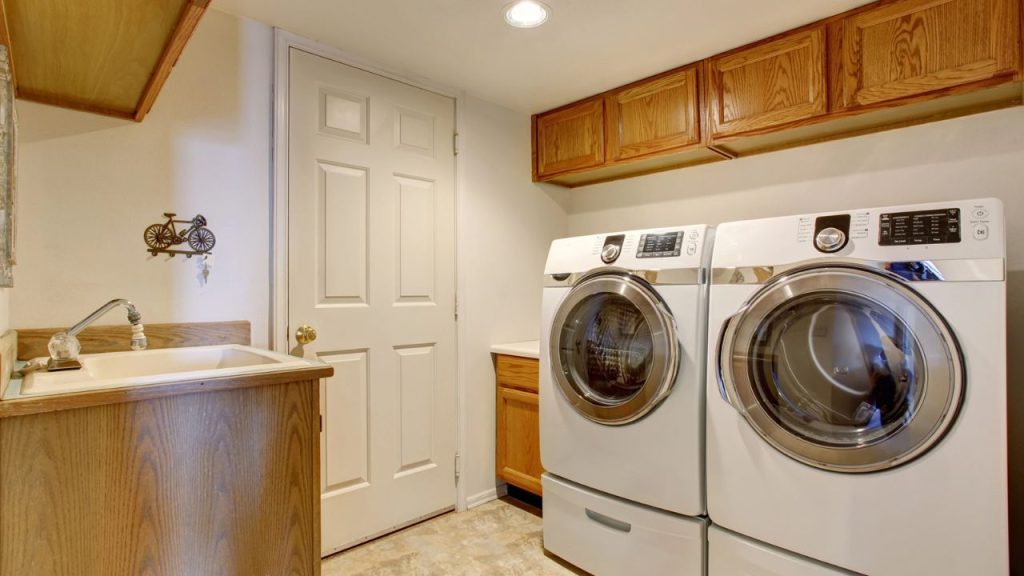
If your laundry room has cabinets or shelves, consider using them for food storage. Ensure that the area remains cool and dry to prevent spoilage. Storing food in rubber totes is a way to keep it safe and out of sight.
Bookshelves

Convert a bookshelf into a dual-purpose unit by placing food supplies in decorative baskets or bins, blending function with aesthetics.
Multipurpose Furniture with Storage Compartments

Multipurpose furniture like ottomans, coffee tables, and beds with built-in storage can serve as discreet emergency food storage spots. These hidden spaces keep supplies easily accessible while staying out of sight, making them a smart solution for small spaces.
Off-Site Storage Unit

When home space is tight, a small climate-controlled storage unit can be a practical solution for emergency food storage. It keeps your supplies safe and accessible while freeing up room at home. This option is especially useful if you have an evacuation plan and need a backup food supply in a secondary location.
15 Frugal Ways to Build a Food Stockpile on Just $10 a Week
Prepping is about smart planning, not panic buying, and with patience and consistency, you’ll have a solid supply before you know it. Here are some frugal tips to help build your stockpile on just $10 a week.
15 Frugal Ways to Build a Food Stockpile on Just $10 a Week
24 Foods to Stockpile Now with a Shelf Life of Up to 20 Years

Here are 24 essential foods with impressive shelf lives, perfect for building a stockpile you can count on for years.
24 Foods to Stockpile Now with a Shelf Life of Up to 20 Years