When you’re mowing the lawn, it might not cross your mind that the grass clippings could actually be put to good use. But they can! Grass clippings are a free and valuable resource for your garden when used the right way.
Much like coffee grounds and banana peels, they can give your soil a boost and help your plants thrive. Here are some easy ways to put grass clippings to work in your garden.
Use a Mulch
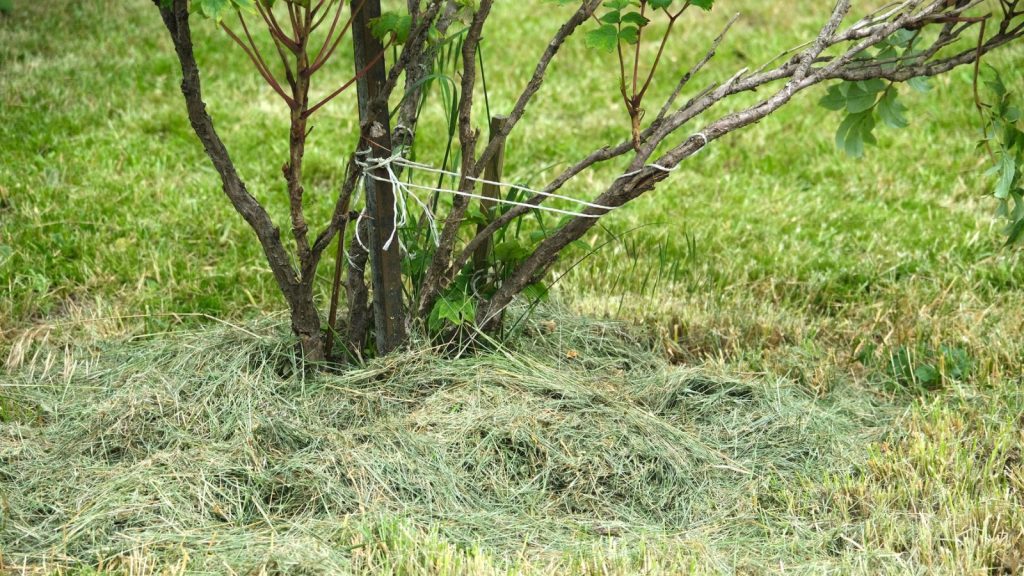
One of the best things about grass clippings is how easily they can be turned into mulch for your garden. Simply scatter a thin layer of dry clippings around your vegetables, flowers, or trees. They help block out weeds, hold moisture in the soil, and slowly feed your plants as they break down.
Fill a Raised Garden Bed

Many gardeners are surprised by just how much soil and mulch it takes to fill a new raised bed — and how quickly the cost can add up. A simple and budget-friendly solution is to layer grass clippings at the bottom of the bed, along with logs, branches, spent plants, and other clean garden scraps.
Over the winter, this organic material will start to break down, creating a rich, healthy foundation. In the spring, just top it off with compost, soil, or seed-starting mix to build deep, well-draining beds.
Add to Compost
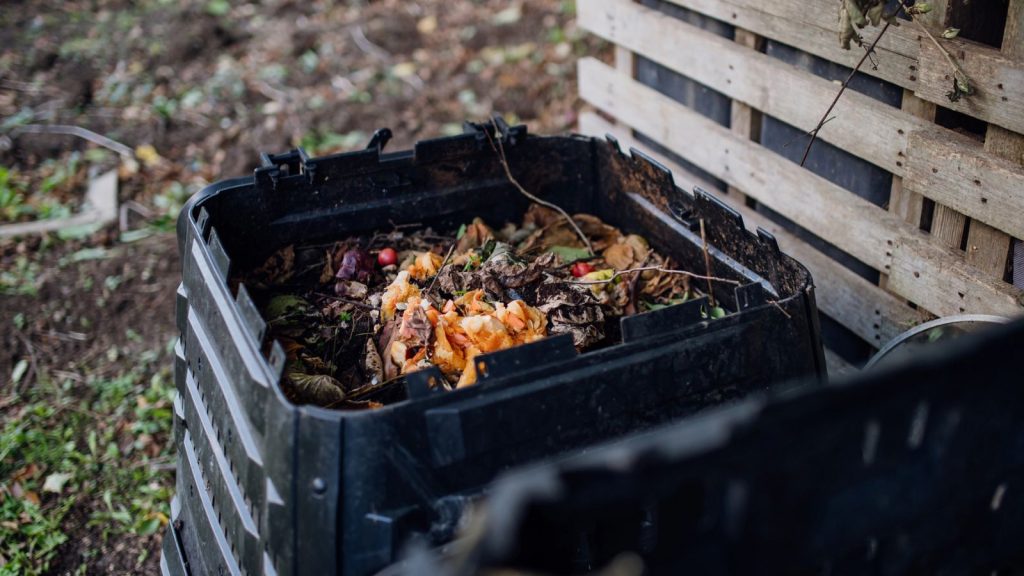
Instead of tossing out your grass clippings, put them to work in your compost pile. Rich in nitrogen, grass clippings are a “green” material that helps fuel the microbes responsible for breaking down organic matter.
Related: How to Improve Garden Soil Without a Compost Pile
Feed the Lawn

A lot of homeowners don’t realize there’s no need to remove freshly cut grass from the lawn. Instead of raking or blowing it away, you can simply leave the clippings where they fall — a practice known as “grasscycling.” As they break down, the clippings return valuable nutrients to the soil, naturally feeding your lawn and helping it stay greener and healthier without the need for extra fertilizer.
Feed the Animals
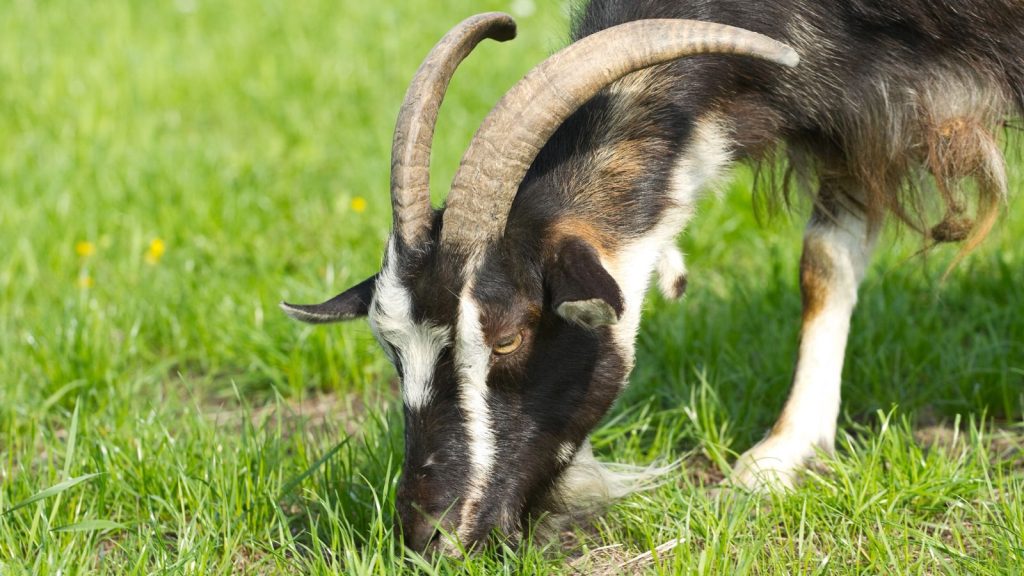
If you raise animals like sheep, goat, chickens, and cows, fresh grass clippings can be a handy supplement to their diet. Just be sure the clippings come from untreated lawns, free of any chemicals.
Worm Farm
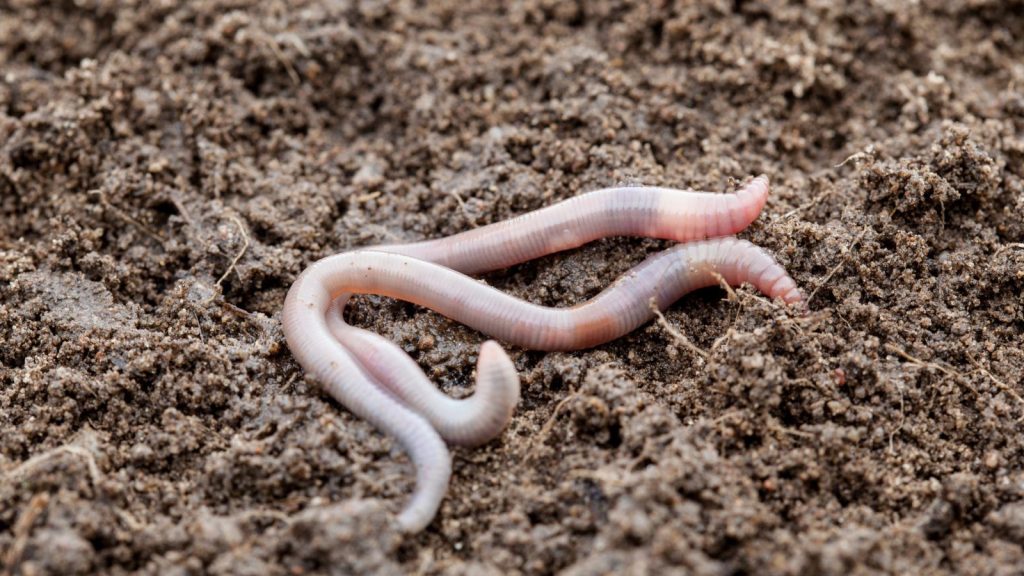
Grass clippings can be a great addition to your worm farm. Fresh clippings make a tasty treat for worms, while dried clippings work well as bedding. As the clippings break down, the worms digest the material and help turn it into rich humus you can later add back to your garden soil.
Make a Tea

Ever heard of grass clipping tea? It’s a pretty neat idea. Simply fill a gallon bucket about one-third full with fresh grass clippings, then top it off with clean water. Let it steep for about two weeks, and you’ll end up with a nutrient-rich liquid fertilizer. Add a pint to your
Donate it

If you don’t have a use for your grass clippings, chances are someone else will. Consider donating them to a local community garden, garden center, or even a recycling center — many places are happy to accept clippings to use for compost or mulch.
12 Natural Ways to Get Rid of Weeds in Your Garden

While we may tolerate certain weeds like dandelions, most gardeners aim to remove these undesired plants from their gardens—for good. To help you get rid of weeds in your garden, here are 12 natural methods to consider.