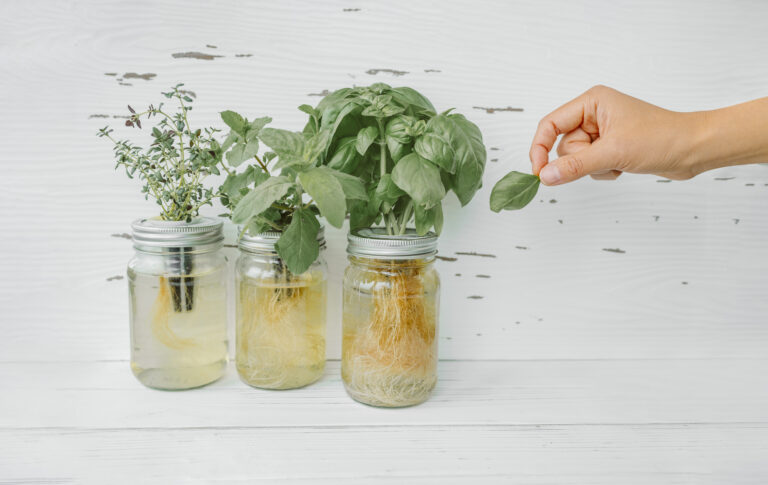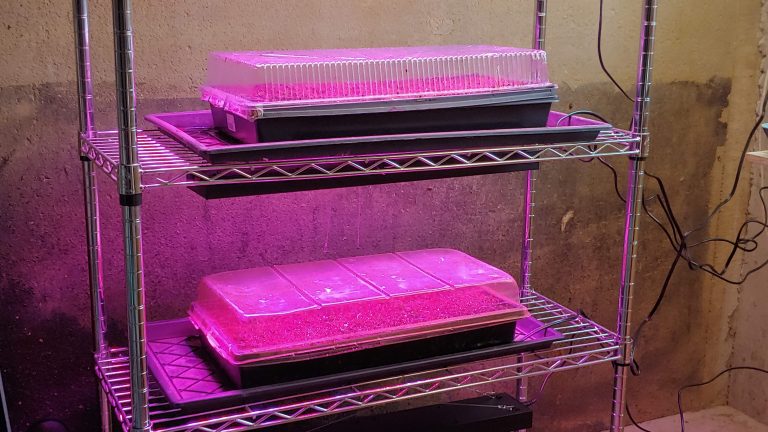

Hydroponics offers an efficient and space-saving way to grow plants year-round. One of the simplest and most effective methods to get started is with a hydroponic bucket system. These systems, such as Deep Water Culture (DWC) buckets, allow plant roots to grow directly in a nutrient-rich water solution, promoting rapid growth and healthy yields.
Hydroponic bucket systems are perfect for beginners due to their easy setup and low maintenance requirements, making them an ideal entry point into the world of hydroponics. Whether you’re looking to grow leafy greens, herbs, or even fruiting plants, a hydroponic bucket system can be customized to meet your gardening needs.
In this comprehensive guide, we’ll explore the best hydroponic bucket systems available, offering detailed product reviews, practical setup advice, and helpful tips for achieving the best results in your indoor garden.
Top Picks for Hydroponic Bucket Systems
1. PowerGrow Systems Deep Water Culture Hydroponic Bubbler Bucket Kit
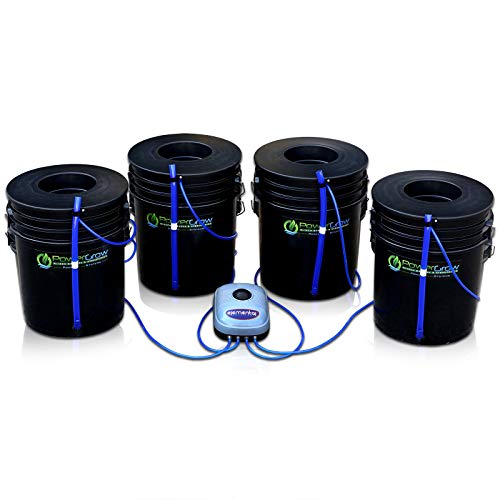
The PowerGrow Systems 5-Gallon Bucket Kit is a solid choice for those looking for an affordable and complete hydroponic setup. It includes four 5-gallon buckets, air tubing, air stones for aeration, and watertight seals.
Each bucket features a grow basket for your growing medium and a built-in water level indicator for easy monitoring. A convenient drainage system is also included, which is uncommon in many hydroponic kits.
This system remains a great starter option for hydroponic growers looking for a reliable and budget-friendly bucket system.
2. Artisun Technology (DWC) Hydroponic Bubbler Bucket Grow Kit System

The Artisun Technology DWC hydroponic bucket system is a great option for ensuring plants receive consistent oxygen and nutrients.
Unlike many similar setups, it includes a dedicated reservoir bucket, which helps maintain a steady supply of nutrient-rich water. The system comes with four five-gallon grow buckets, a reservoir, an efficient pump, baskets, tubing, and even clay pebbles as a growing medium.
This system performs well and is easy to maintain, as the reservoir automatically replenishes water levels, reducing the need for manual top-offs. The included pump is appropriately sized, providing sufficient aeration for healthy plant growth. While the kit is well-designed, the extra reservoir bucket means it requires more floor space.
3. Artisun Technology Dutch Bucket

These Dutch buckets are designed for a drip irrigation hydroponic system rather than deep water culture, making them ideal for setups where excess water drains back to a reservoir.
Since they do not include a pump, you’ll need to purchase one separately, along with the necessary tubing. However, their modular design allows for easy expansion, making them a great choice for growers planning a larger system.
The buckets themselves are made of sturdy plastic with secure drain fittings, an essential feature for preventing leaks, especially in indoor setups. The manufacturer recommends using a 110V submersible pump for optimal performance.
While this set is best suited for experienced hydroponic growers who can source the right components, those familiar with hydroponic systems will find it a reliable and scalable option. If you’re new to hydroponics, a complete kit may be a more convenient starting point.
4. Hydrofarm RS5GAL4SYS Root Spa 4

The Hydrofarm hydroponic bucket system comes in sets of four, with the flexibility to expand up to 12 buckets for larger operations. Unlike many systems, it does not require air stones, as the tubing itself provides sufficient aeration.
However, air stones can be added if preferred. The included pump circulates 7.8 L/min per set of four buckets, ensuring consistent nutrient delivery.
This system performs well, with secure fittings and an easy setup, making it a great choice for beginners. While the pump is adequate, upgrading to a more powerful model may improve aeration. This is a reliable and expandable starter kit for hydroponic growers.
Types of Hydroponic Systems
Hydroponics has evolved into several distinct systems, each with unique advantages. Here’s a quick overview:
- Deep Water Culture (DWC): One of the simplest and most affordable systems, DWC suspends plants in aerated water, making it easy to maintain and ideal for beginners.
- Drip Systems: Nutrient-rich water is pumped through a tube, slowly dripping onto each plant while excess water recirculates. While scalable, these systems require careful pH monitoring.
- Wick Systems: A passive system that requires no electricity, using wicks made of rope or fiber to draw water from a reservoir into the growing medium.
- Nutrient Film Technique (NFT): A continuous flow of nutrient solution runs over the root tips while keeping the upper roots exposed to oxygen. A pump failure can quickly kill plants, so monitoring is crucial.
- Ebb and Flow: A timed system floods the growing medium with nutrient solution at intervals before draining it, allowing for controlled feeding cycles and high yields.
- Aeroponics: The most water-efficient method, where plant roots are suspended in air and misted with nutrients. These systems are space-saving but costly to set up.
Each system has its strengths, and the best choice depends on space, budget, and experience level.
The Parts of a Hydroponic System
A hydroponic system consists of several key components that work together to support plant growth without soil. Many beginners opt for a kit, which includes pre-cut tubing, a pump, buckets, and net pots for easy setup. However, understanding each part’s role can help you build or customize a system to meet your needs.
Buckets typically range from three to five gallons, providing enough space for root growth and proper nutrient circulation. A good bucket should include rubber or silicone washers to prevent leaks. Pumps ensure adequate oxygenation, with a general guideline of one liter per minute of air per gallon of nutrient solution. Tubing, preferably black silicone, prevents light exposure that can lead to algae buildup and clogging.
Net pots hold seedlings and a growing medium while allowing roots to extend into the nutrient solution. Air stones, connected to the pump, create fine oxygen bubbles that evenly distribute oxygen to the roots, promoting healthy growth. For a growing medium,