
Most of us grow tomatoes for our own table. But let’s be honest: it feels pretty good when your garden actually produces a pretty impressive harvest. Whether it’s a vine loaded with fruit or a tomato the size of your hand, there’s nothing like showing off a harvest you’re proud of.
If you’re aiming for bigger, juicier, and more abundant tomatoes this season, you’re in the right place. These 18 tomato growing tricks have helped me (and plenty of other gardeners) turn everyday tomato plants into real conversation starters.
1. Choose the Right Tomato Variety

There are so many types of tomatoes — cherry, beefsteak, heirloom, and hybrids; it’s enough to make your head spin. Although choosing the right variety can be overwhelming, skipping this step is not an option. Without it, any attempt to improve the harvest would be like filling a basket with water, which is a complete waste of time and effort.
Some tomato varieties are better suited to handle heat and humidity, while others are bred for cooler summers. Local garden centers usually stock varieties that do well in your area, so that’s a good place to start.
2. Start with Healthy Seedlings

Strong, healthy seedlings set the stage for a successful harvest. Some important traits to look out for when buying seedlings include sturdy stems and deep green leaves. You should also check that there are no signs of yellowing or spots. Also, avoid leggy or wilted seedlings.
If you’re starting from seed, use a seed-starting mix and keep them under grow lights until they’re ready to move outside.
3. Harden Off Your Plants

Tomato seedlings need a little time to adjust before being transplanted outdoors. Gradually introducing your seedlings to the sun and wind over a week helps to harden them. Start with a couple of hours in a sheltered spot and increase the time each day. This step helps prevent transplant shock and gives plants a better chance to thrive once they’re in the ground.
4. Choose Sunny Spots to Plant
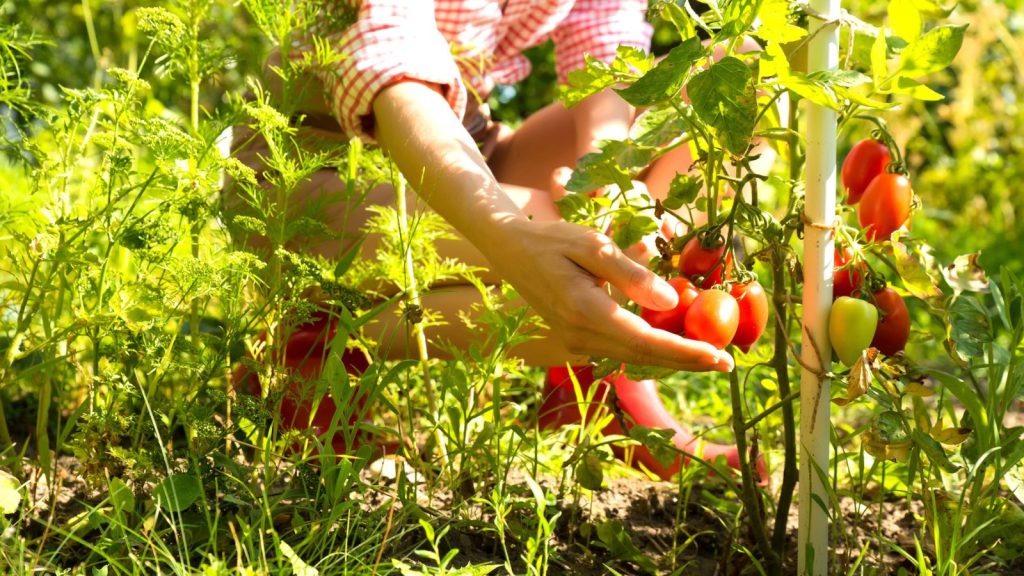
For a good harvest, plant your tomatoes in a location that receives at least 6 to 8 hours of direct sunlight daily. Morning sun is particularly important because it dries off the leaves early, which can keep some diseases at bay. If your yard receives dappled light or partial shade, consider cherry or plum tomato varieties, as they can tolerate slightly less sunlight.
5. Plant Deep for Strong Roots
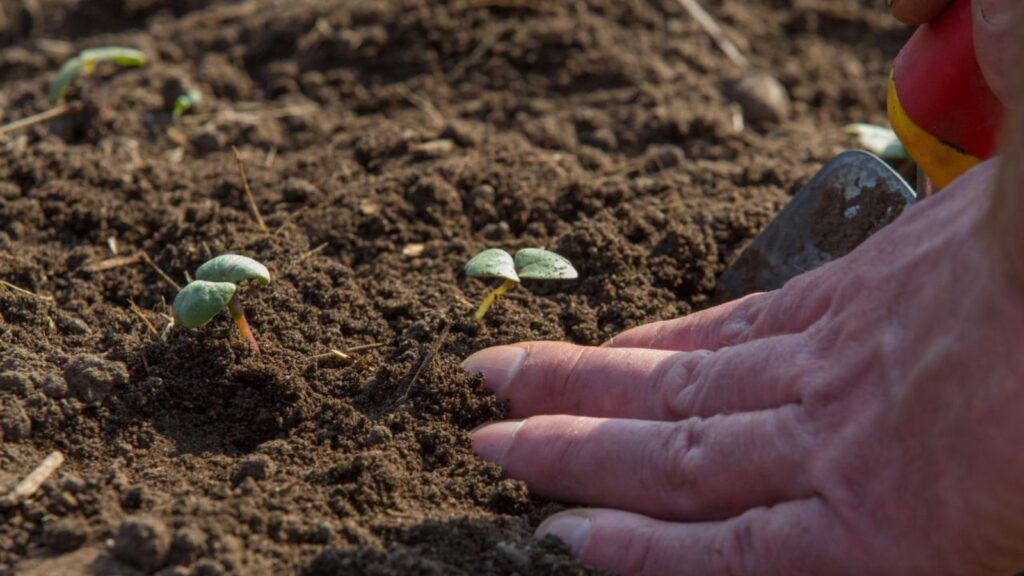
When it’s time to plant, bury your tomato seedlings deeper than they were in their pots (up to the first set of true leaves). Tomatoes can grow roots along their entire buried stems, resulting in a stronger, more drought-resistant plant. Use a trowel or small shovel, and water well after planting.
6. Give Them Room to Breathe

Do not overplant by planting too many crops together, thinking the large number will yield a large harvest. Tomatoes require space for air circulation and sunlight to reach all parts of the plant.
Crowded plants are more likely to develop diseases and produce fewer fruits. Space your plants at least two to three feet apart. And if you’re growing in containers, use one large pot per plant.
6. Use Mulch (A Lot)

Mulching is a simple yet effective trick that pays off well. Just spread a thick layer (about two or three inches) of straw, shredded leaves, or even grass clippings around your tomato plants.
This helps the soil retain moisture, prevents weeds from taking over, and maintains a more even soil temperature. Just remember not to pile mulch right up against the stems, since that can cause rot.
7. Water Consistently and Deeply

Tomatoes like steady moisture. Not soggy soil or dry spells, and definitely not an alternation between both extremes. Water deeply at the base of the plant, aiming for about one to two inches of moisture per week, depending on rainfall. Setting up a soaker hose or drip irrigation system makes this easy and keeps leaves dry, which helps prevent disease.
8. Fertilize at Key Growth Stages

Tomatoes require a significant amount of nutrients to grow, so it is essential to replenish the soil regularly. Add compost or a slow-release fertilizer when you first plant the crops in the ground. Once small green tomatoes start to appear, switch to a fertilizer with a higher phosphorus and potassium content.
9. Prune for Better Airflow

Pruning helps your plants stay healthy and productive. Snipping off the lower leaves that touch the ground and removing the small shoots (called suckers) that emerge between the main stem and branches helps air circulate through the plant. Use clean, sharp pruners and avoid overdoing it, so the plants still have enough leaves for photosynthesis.
10. Stake or Cage Early
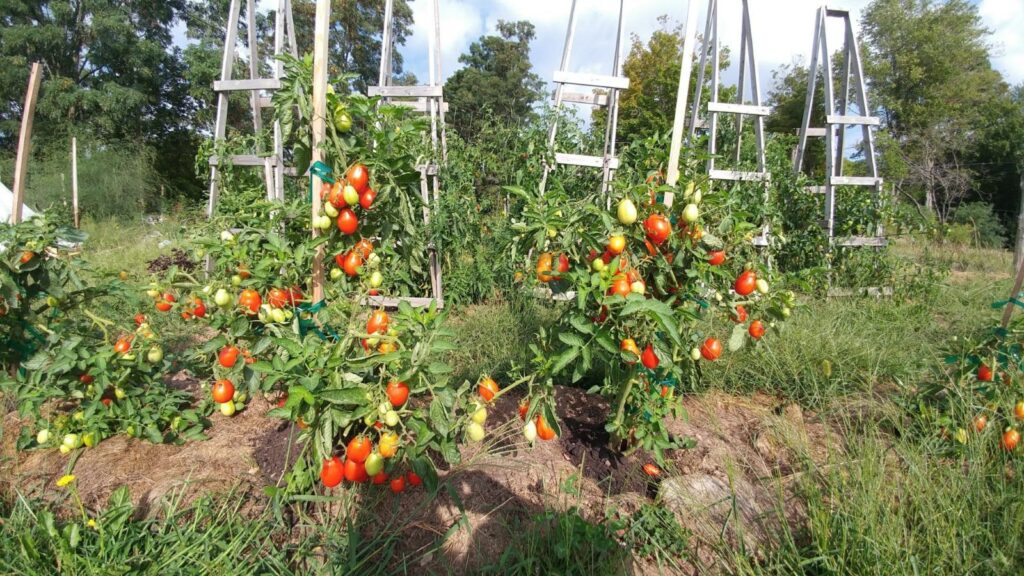
Support your tomatoes as soon as you plant them to keep the fruit off the soil. Staking helps to prevent rot and makes it harder for bugs to reach your tomatoes. It also makes picking much easier later on.
You don’t need anything fancy. Sturdy cages from the garden center, a few wooden stakes, or even a homemade trellis will suffice. When tying up the stems, use something soft, such as strips from an old t-shirt, to avoid accidentally damaging the plant.
11. Pinch off early flowers on small plants

It may feel wrong, but removing the first few flower clusters on young plants helps redirect energy toward building sturdier roots and leaves. That means, when it’s time to set fruit, your tomato plant will be ready to handle a bigger, healthier crop.
12. Rotate Your Crops

Don’t plant tomatoes in the same spot year after year. Crop rotation helps prevent the buildup of soil-borne diseases and pests. Wait at least two to three years before planting tomatoes or other nightshades (like peppers or eggplants) in the same spot.
13. Watch for Pests and Act Fast
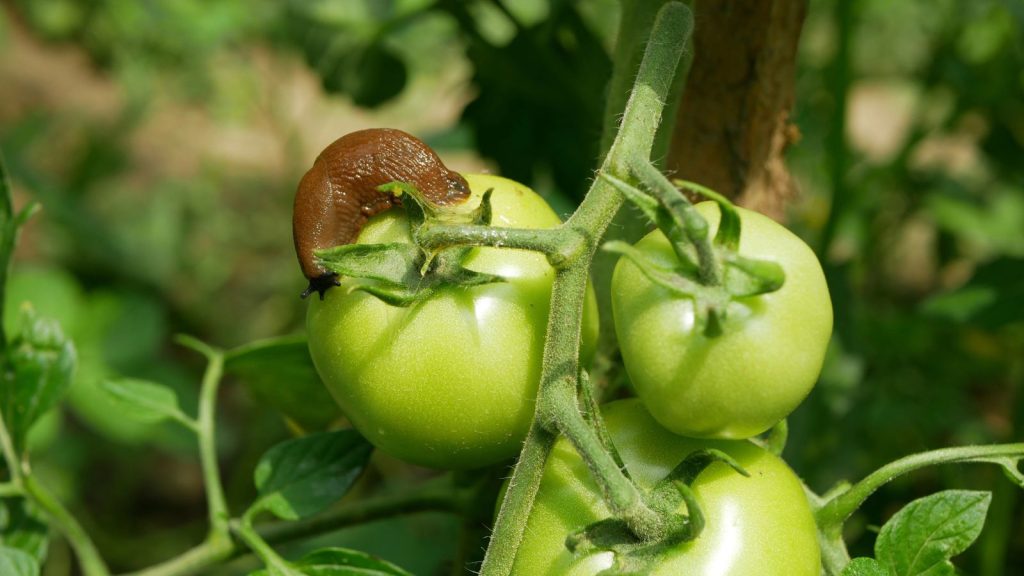
Check your plants regularly for pests like aphids, hornworms, and whiteflies. You can grow companion crops, such as basil,
Early detection helps to catch and control pests better. Also, avoid planting tomatoes near brassicas (such as broccoli) or corn, as they can compete for nutrients or attract the wrong bugs.
14. Encourage Pollinators

Although tomatoes can pollinate themselves, having bees and other pollinators nearby can significantly boost your harvest. Plant bright flowers like
15. Remove Weeds Promptly

Weeds are an eyesore, but worse than that, they steal water and nutrients from your tomatoes. The best way to keep them in check is to pull them out by hand or use a hoe, but be gentle so you don’t disturb the tomato roots. Mulch helps keep weeds down, but it’s still a good idea to check for new growth, especially after a rain.
16. Harvest at the Right Time

Pick tomatoes when they’re fully colored and slightly firm. Don’t wait for them to get soft on the vine, as this can attract pests and lead to splitting. If frost threatens, pick mature green tomatoes and let them ripen indoors on a sunny windowsill.
17. Use Shade Cloth in Extreme Heat

When temperatures really climb, tomatoes can start to struggle. Too much direct sun during a heatwave can cause the fruit to get pale, leathery patches or even stop the plants from setting new fruit.
If you notice your plants looking stressed, try draping some shade cloth or even an old sheet over them during the hottest part of the day. This little bit of extra shade can help your plants keep producing even when the weather is at its worst.
18. Clean Up at Season’s End
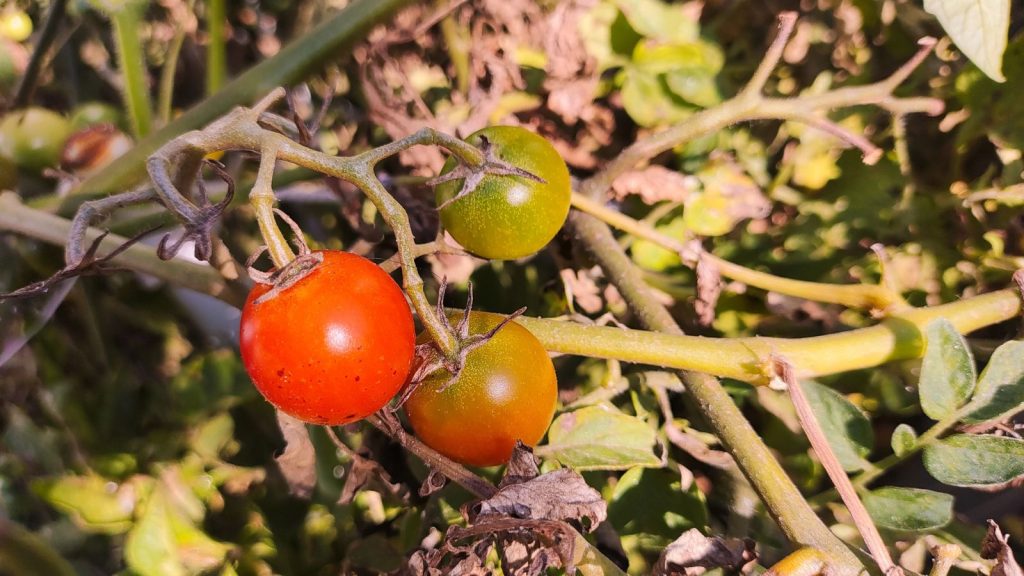
If you’ve had a good harvest and would like to keep the momentum for the next season, clean up. Give your garden a clean slate by removing old tomato plants and fallen fruit. This helps prevent diseases and pests from overwintering in the soil.
If you spot any plants that look diseased, toss them in the trash instead of the compost pile. It’s also a good idea to wash your cages, stakes, and tools with a mild bleach solution before putting them away, so everything’s fresh and ready for next season.


