Have you ever noticed a white, powdery coating on the leaves of your garden plants? I’ve dealt with this problem more times than I can count — it’s called powdery mildew, and it can take down even your healthiest-looking plants if you’re not careful.
Over the years, I watched my vegetables and ornamentals suffer from this frustrating fungal disease. Infected leaves would discolor, curl, and drop off. My flowers stopped blooming, my crops produced less, and entire sections of the garden started to look bare and lifeless.
Powdery mildew is incredibly common and affects everything from squash and cucumbers to roses and
1. Choose Powdery Mildew–Resistant Varieties

One of the easiest ways to stay ahead of powdery mildew is to start with plants that are bred to resist it. Many seed companies now offer disease-resistant varieties of popular vegetables and ornamentals — and they’re well worth seeking out.
Whenever possible, look for locally grown plants or seeds labeled as “powdery mildew resistant.” These are more likely to withstand the specific strains of the fungus common in your area, giving your garden a stronger start from the beginning.
2. Give Your Plants Plenty of Space

Overcrowded plants trap moisture and create the perfect conditions for powdery mildew to spread. Good airflow is key, especially in warm, humid weather.
Whether you’re planting vegetables or ornamentals, ensure you follow the proper spacing guidelines. It might be tempting to squeeze in a few extra seedlings, but giving your plants room to breathe can go a long way in preventing fungal problems.
3. Water at the Base, Not Overhead

Powdery mildew thrives in humid conditions, particularly when plant leaves remain damp. One simple way to prevent it is to keep the foliage as dry as possible.
Water your plants at the base, rather than overhead, using a watering wand, soaker hose, or drip irrigation system. This helps reduce excess moisture on the leaves and lowers the chances of fungal spores taking hold.
4. Keep Your Garden Clean

Old leaves and plant debris can harbor fungal spores, making it easier for powdery mildew to spread from season to season. A little cleanup goes a long way.
Be sure to regularly remove fallen leaves, dead plant material, and any visibly infected parts of your plants. Keeping the garden tidy helps reduce the number of spores hanging around and protects your healthy plants from getting infected.
5. Use Mulch to Protect Your Plants

Mulching does more than just conserve soil moisture — it also helps prevent water from splashing onto your plants’ leaves, which can spread fungal spores.
Apply a layer of mulch around the base of your plants to create a barrier that keeps the soil moist and reduces the risk of powdery mildew reaching the foliage.
6. Prune Infected Leaves Right Away

Powdery mildew can spread rapidly, so it’s essential to act promptly. As soon as you spot white, powdery patches on leaves or stems, trim off the affected parts and dispose of them — don’t compost them.
It may seem harsh, but removing infected areas early can prevent the disease from spreading. Just be sure to use clean, sterilized pruning tools so you don’t accidentally spread spores to other plants.
7. Neem Oil

Neem oil is an organic solution that can help keep powdery mildew under control while also repelling various common garden pests. To use neem oil for powdery mildew, mix it with water according to the product’s instructions and spray it thoroughly on affected plants, ensuring coverage on both sides of the leaves.
8. Baking Soda

A mixture of baking soda (1 tablespoon), liquid soap (1 teaspoon), and water (1 gallon) can be an effective treatment for powdery mildew. Spray the solution on infected plants weekly, but be careful to avoid healthy foliage, as this solution can cause leaf burn.
9. Improve Air Circulation

Reduce humidity levels and make conditions less favorable for powdery mildew by improving air circulation in your garden. Thin out unwanted plants, snip back foliage, and use stakes to hold taller plants off the ground.
10. Hydrogen Peroxide
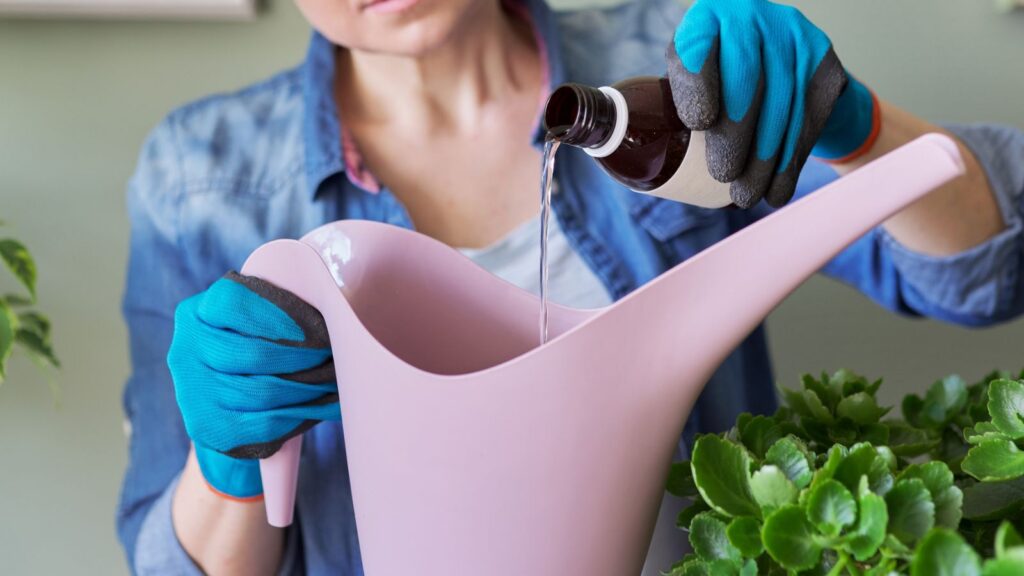
When used as a foliar spray, hydrogen peroxide helps eliminate the fungal spores that cause powdery mildew. Mix one part
For best results, apply the solution in the early morning or late afternoon to prevent leaf burn. Repeat the treatment every few days until the mildew is under control.
How to Defeat Japanese Beetles in Your Garden

If Japanese beetles are causing problems in your garden, consider trying one of these natural methods to eliminate them.
How to Defeat Japanese Beetles in Your Garden
How to Outsmart Gnats to Keep Them Away From Your Houseplants
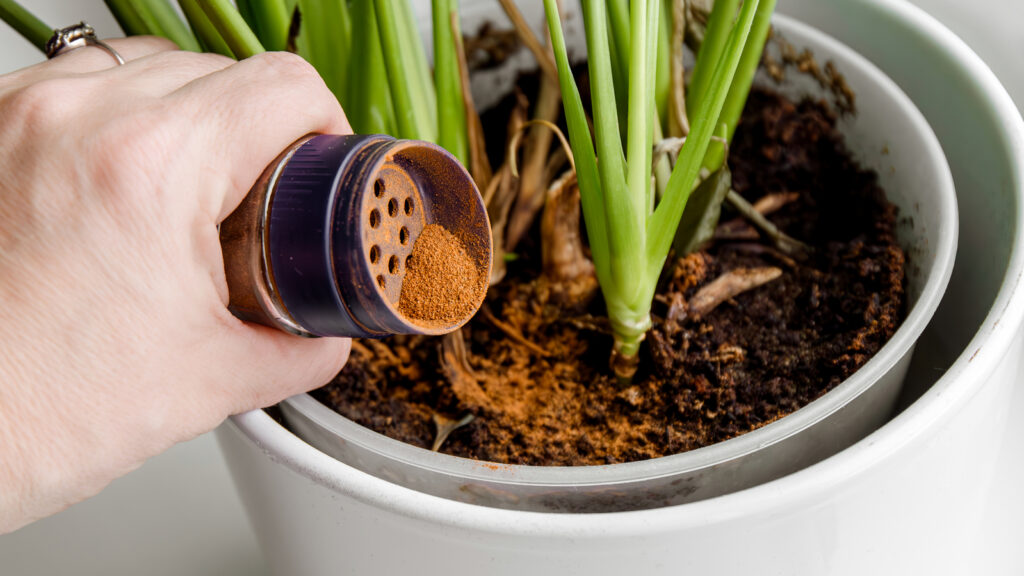
Gnats are more than just a minor annoyance; these tiny pests buzz around with a persistence that’s hard to ignore. Here are ten effective ways to keep gnats away from your house plants.
How to Outsmart Gnats to Keep Them Away From Your Houseplants