A cast iron skillet is one of the most long-lasting tools in the kitchen. It’s naturally nonstick, affordable, and, with proper care, can last for generations—improving with age.
But some common mistakes can damage your skillet over time. Let’s take a look at 15 of the most frequent missteps and how you can avoid them.
Overheating the Skillet
Image Credit: Deposit Photos
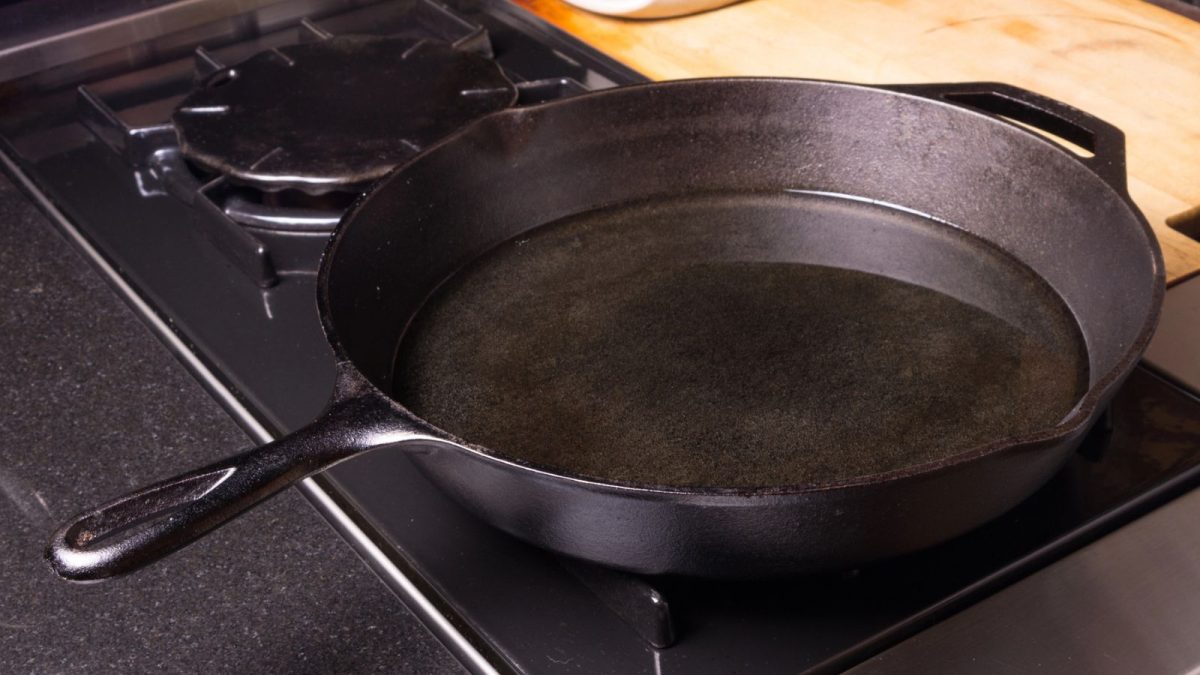
Allowing your cast-iron skillet enough time to preheat is crucial before you begin cooking. Like with any cookware, proper preparation makes all the difference. If you let it get too hot, you risk food sticking, burning, and uneven cooking, which can ruin your meal.
Lack of Seasoning
Image Credit: Homestead How-To
Properly seasoning your cast-iron pan can greatly extend its lifespan and provide protection. To keep it in top shape, be sure to season it with cooking oil. Here’s a step-by-step guide on how to season your cast iron pan using olive oil.
Improper Cleaning
Image Credit: The Thrifty Apartment
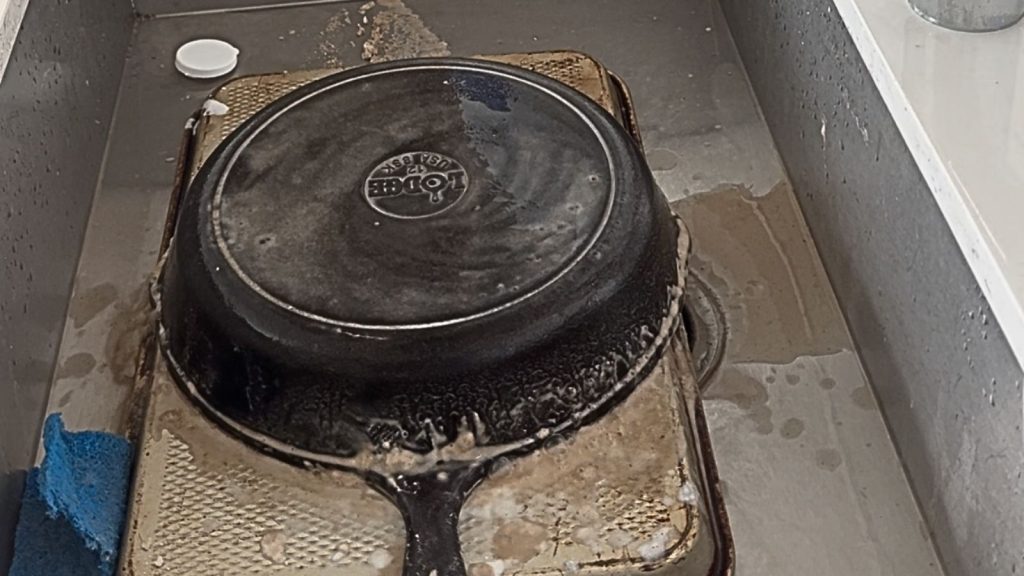
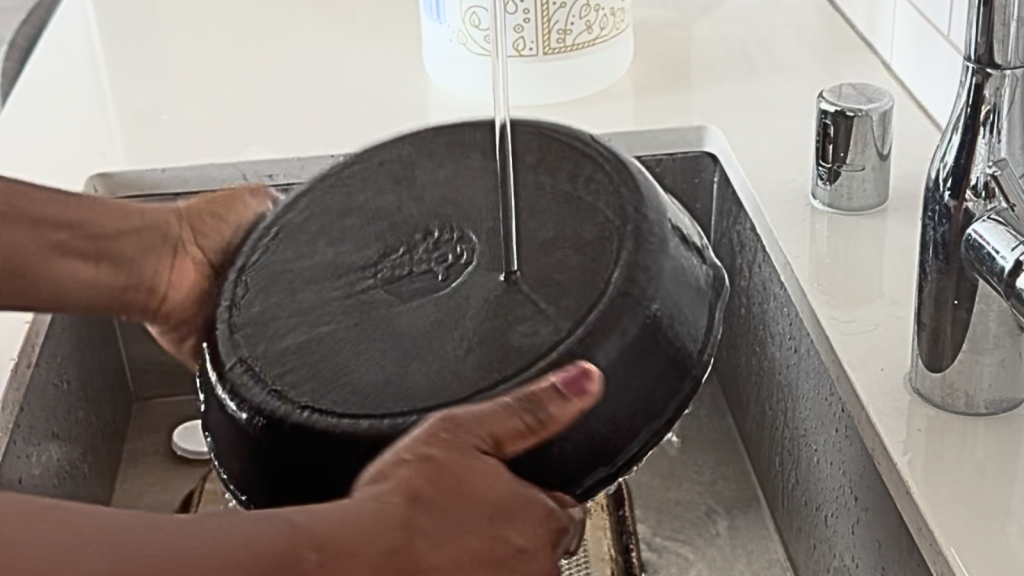
To maintain your favorite skillet in excellent condition, regular cleaning is essential! However, your cast iron doesn’t require a thorough scrubbing after every use. Over-cleaning and using too much detergent can strip away the seasoning that makes it so valuable.
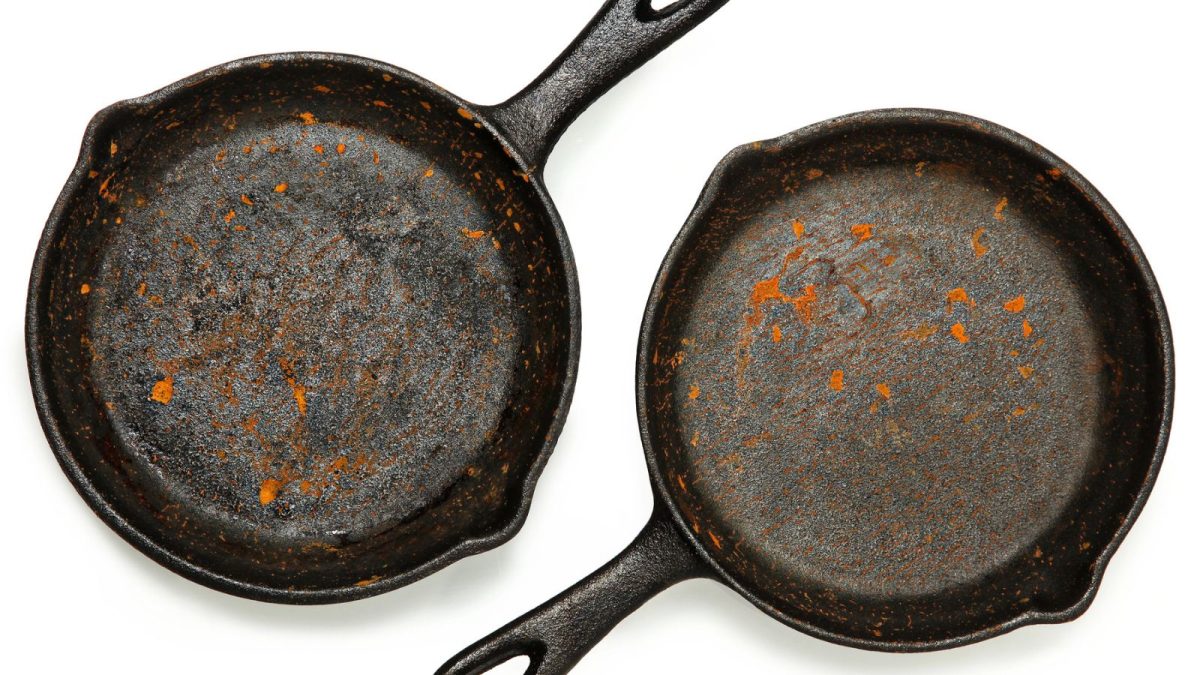
Storing a Wet Skillet
Image Credit: Deposit Photos
Storing a wet cast iron skillet is a sure way to invite rust and mold. To prevent this, ensure it’s thoroughly dried before storing it, and avoid letting it air dry.
Storing in a Cramped and Humid Environment
Image Credit: Deposit Photos
Stacking your skillets in cramped spaces or humid environments can lead to damage, decreasing their performance.
Using the Wrong Utensils
Image Credit: Deposit Photos
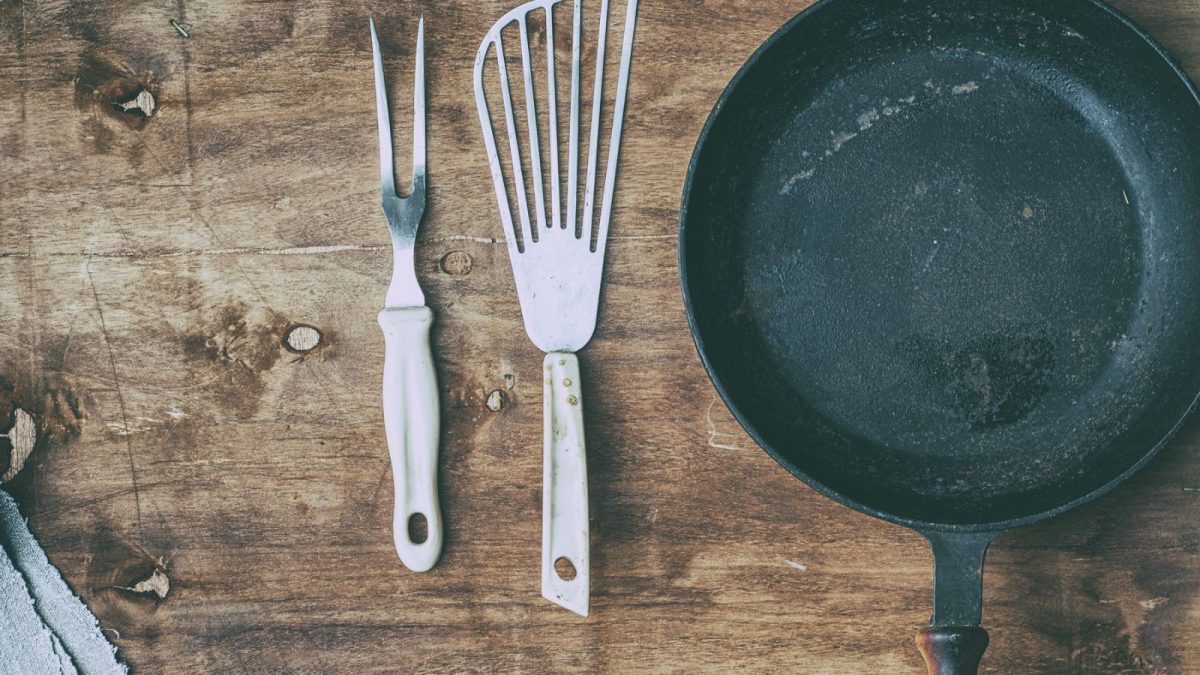
Using inappropriate utensils, like metal spoons and forks, can scratch and damage the surface of your skillet. To protect its finish, opt for wooden or silicone utensils. Investing in quality utensils is worthwhile, as they are durable and easy to maintain.
Overcrowding the Skillet
Image Credit: Deposit Photos
Overcrowding the skillet can prevent food from properly cooking evenly, resulting in soggy, less flavorful dishes. Give your ingredients sufficient space to achieve the best results.
Cooking Delicate Foods
Image Credit: Deposit Photos
While cast iron is excellent for high-heat cooking and browning meats, it’s not ideal for delicate foods like seafood or eggs. The intense heat can make it challenging to handle flaky fish or soft eggs without breaking apart. Consider using stainless steel pans for these types of dishes.
Cooking Acidic Foods
Image Credit: Deposit Photos
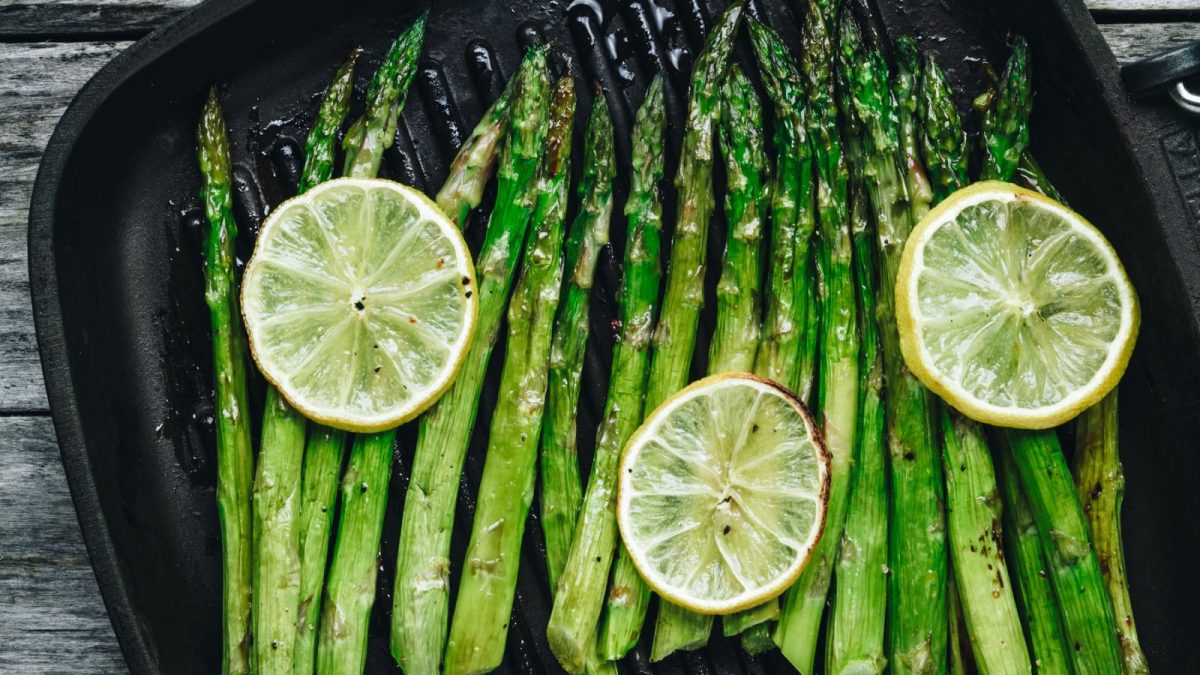
Acidic foods, such as tomato sauce or lemon juice, can develop a metallic taste when cooked in a cast-iron skillet. While safe to eat, it’s not the most pleasant flavor. If you choose to cook acidic foods in your skillet, limit the cooking time to under 15 minutes to minimize the off-flavors.
Storing Food in the Skillet
Image Credit: Deposit Photos
It might be tempting to leave your meal in the skillet after cooking, but this can lead to bacterial growth and affect the seasoning. To keep leftovers safe, it is better to transfer them to proper storage containers.
Soaking in Water
Image Credit: Homestead How-To
Soaking your cast-iron skillet in water can cause the seasoning to absorb moisture, making it more susceptible to rust. Instead, rinse the skillet with warm water to loosen stuck-on food, and use a sponge or washcloth to clean it. Avoid steel wool, but baking soda and salt can be used as gentle abrasives.
Avoid shocking your skillet with cold water. An unexpected temperature change can ruin the surface. Instead, allow it to cool down before washing, keeping its natural coating in optimal condition.
22 Recipes to Make in Grandma’s Cast Iron Skillet
Image Credit: Homestead How-To
A cast iron skillet is one of the toughest, most durable cookware. You can cook almost anything in it, from simple weekday dinners to fancy steak nights and hearty casseroles. These 22 recipes will show you just how special your cast iron skillet is.