Starting seeds doesn’t have to mean spending a lot of money on fancy trays or pots. In fact, you might already have everything you need right at home! From eggshells to plastic cups, there are plenty of unexpected household items that can double as seed-starting containers, saving you money and reducing waste.
Using these everyday items gives your garden a sustainable edge. Whether you’re a seasoned gardener or just starting out, these eight unusual yet practical options will inspire you to repurpose what you already have for an eco-friendly head start on your gardening season.
Newspaper Seed Starting Pots
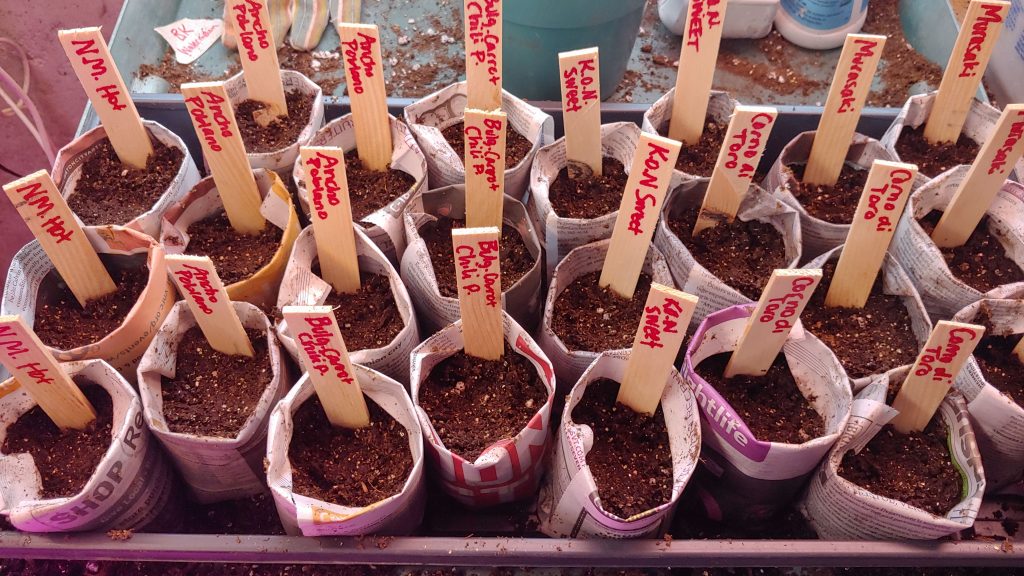
Newspaper seed-starting pots are an eco-friendly and budget-conscious way to start your seeds. By repurposing old newspapers, you’re giving a second life to a free resource while creating biodegradable pots that can be planted directly in your garden. They’re easy to make with just a few simple supplies and a quick rolling and folding process. Here’s how to create these sustainable seed starters and make the most of them for your garden.
Get the Tutorial – How to Make Newspaper Seed Starting Pots
Toilet Paper Roll Seedling Pots
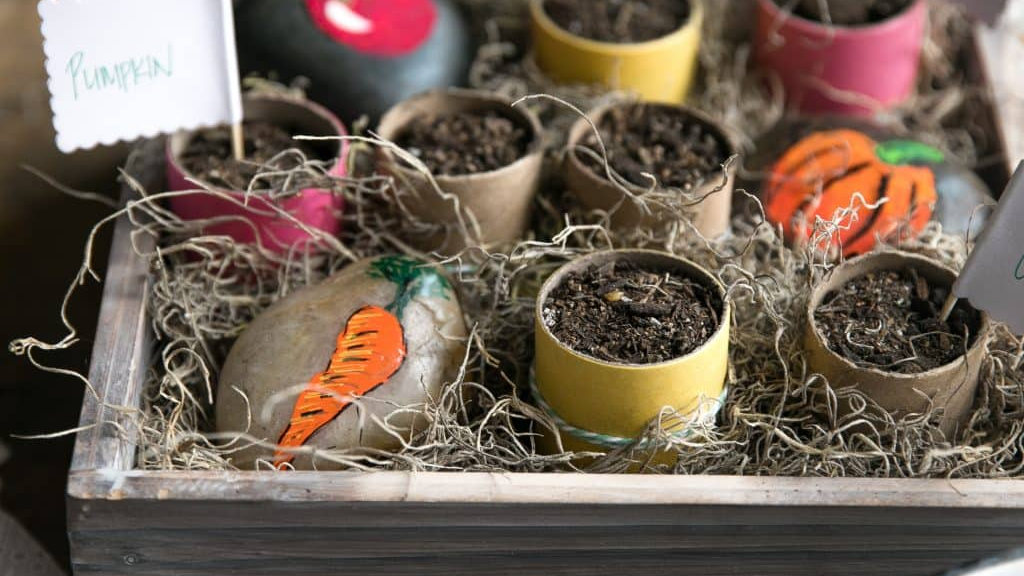
Toilet paper rolls are biodegradable and ideal for delicate seedlings. Stand them upright in a tray, fill with soil, and plant seeds. They can be transplanted directly into the garden, as the rolls break down naturally.
Get the Tutorial: Toilet Paper Roll Seedling Pots and Painted Stone Garden Markers and How to Make Toilet Paper Roll Seed Starters
Aluminum Cans

Aluminum cans provide a sturdy and reusable seed-starting option. Poke drainage holes in the bottom and clean them thoroughly before use. The reflective properties help retain moisture and encourage strong seedling development.
Here’s a craft that takes advantages of cans. Reusing cans is an easy and eco-friendly way to create unique planters that brighten up any space while giving old materials a new life.
Get the Tutorial: Recycled Rainbow Herb Garden From Tin Cans
Egg Cartons

Cardboard egg cartons are a great biodegradable option for starting small seeds. When it’s time to transplant, separate each cup and plant it directly in the soil, reducing transplant shock as the cardboard breaks down naturally.
How to Start Seeds in an Egg Carton
Eggshells

Eggshells can be used as natural seed-starting containers that are biodegradable and rich in calcium. Simply crack the tops off the eggs, rinse out the shells, and poke a small hole in the bottom for drainage.
Fill each shell with seed starting mix, plant your seeds, and once the seedlings are ready, transplant the entire shell into the garden where it will decompose and nourish the soil.
How to Make Eggshell Seed Starters
Glass Jars
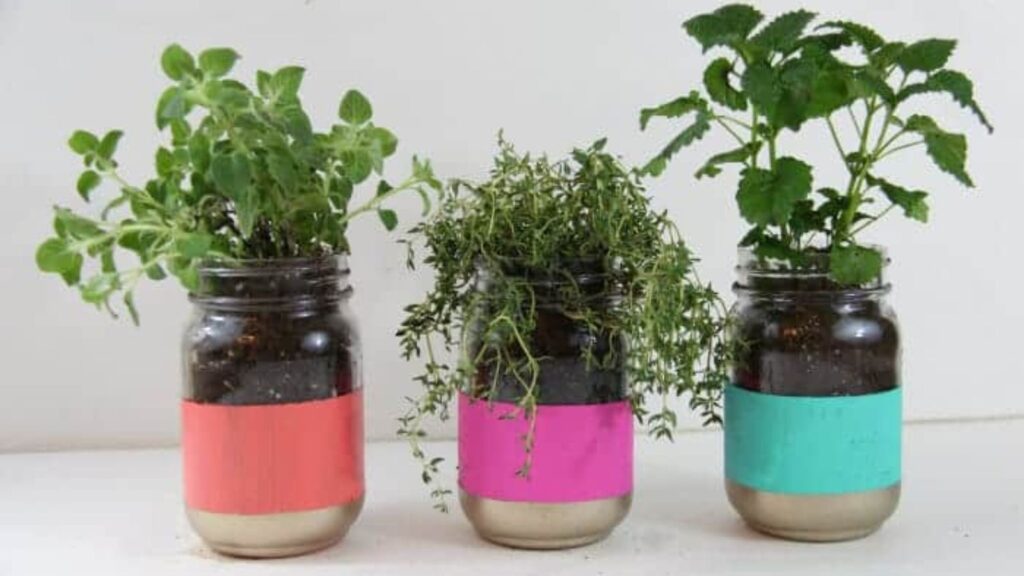
Glass jars create a greenhouse-like environment perfect for small seeds. Add a layer of stones for drainage, then seed starting mix, and place the jar in a warm, bright spot for optimal growth.
This bright-colored
Get the Tutorial: Bright Colored Mason Jar Herb Garden
Paper Cups

Paper cups can be repurposed into seed-starting containers by poking a drainage hole in the bottom. They are sturdy enough for larger seedlings.
Plastic Cups
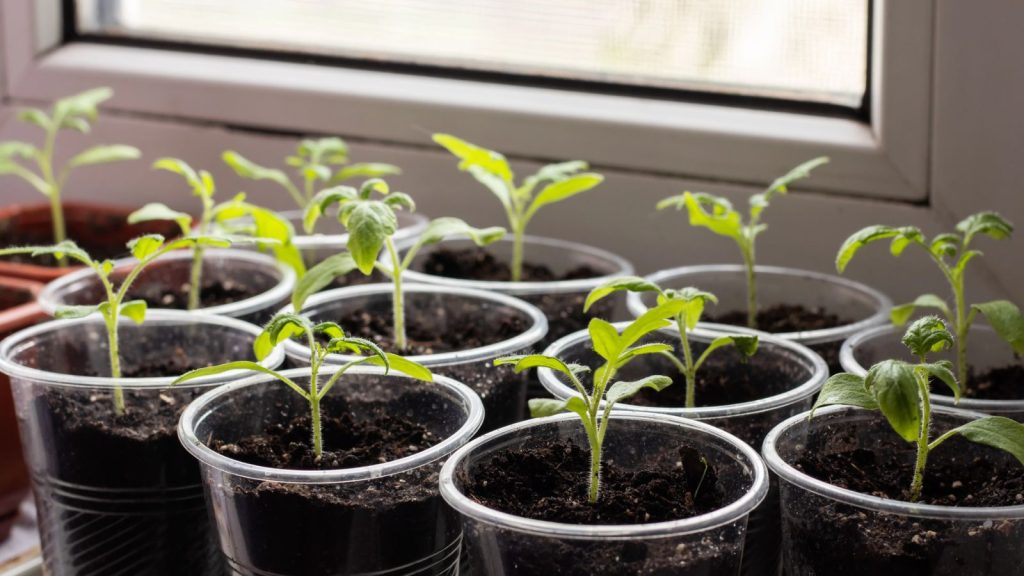
Plastic cups are a simple and reusable option for starting seeds. To prepare them, poke small drainage holes in the bottom, fill them with seed starting mix, and plant your seeds at the recommended depth. Once the seedlings are ready to transplant, gently remove them from the cups to avoid root damage.
Clothespins
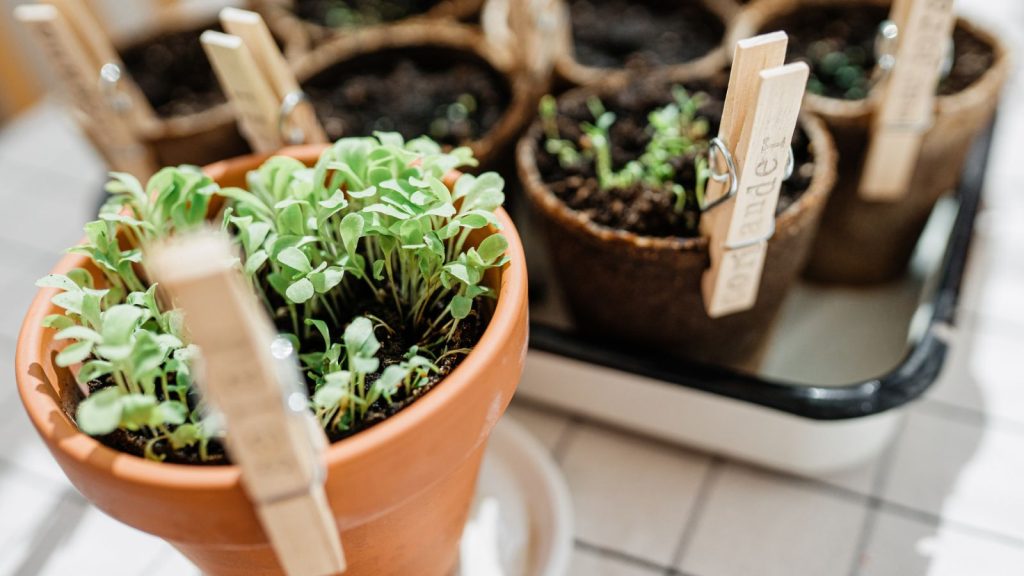
Clothespins can be creatively repurposed as plant markers to help identify your seedlings. Simply write the name of the plant on the flat surface of the clothespin with a permanent marker and clip it onto the edge of your seed-starting container or tray.
This simple and reusable solution keeps your plants organized and adds a rustic, DIY touch to your gardening setup.
Garden Markers

Create your own garden markers with minimal effort and a touch of creativity using simple supplies you likely already have at home. Paint sticks, a bit of paint, and a marker are all you need to craft functional and decorative markers for your garden.
Paint the sticks in vibrant colors or patterns to brighten your planting area, then use a permanent marker to label them with your plants’ names.
Get the Tutorial: DIY Garden Markers