

Hydrogen peroxide is a common household item that can be very useful in your garden. Hydrogen peroxide is not just for disinfecting wounds—it can also help stimulate plant growth and a myriad of other things in the garden.
When properly diluted, hydrogen peroxide is safe for plants and effective against a range of bacterial and fungal infections due to its disinfecting properties. This makes it a valuable addition to your gardening routine.
Here are a few ways you can put it to good use in your garden.
Weed Control

Hydrogen peroxide offers a safe and effective solution for destroying weeds in your garden. By spraying
12 Natural Ways to Get Rid of Weeds in Your Garden
Faster Seed Germination

Many gardeners praise
Treat Potting Mix Before Use

To prevent introducing pathogens into your garden, disinfect your potting mix with
Boost Oxygen Content in Poorly Aerated Soil
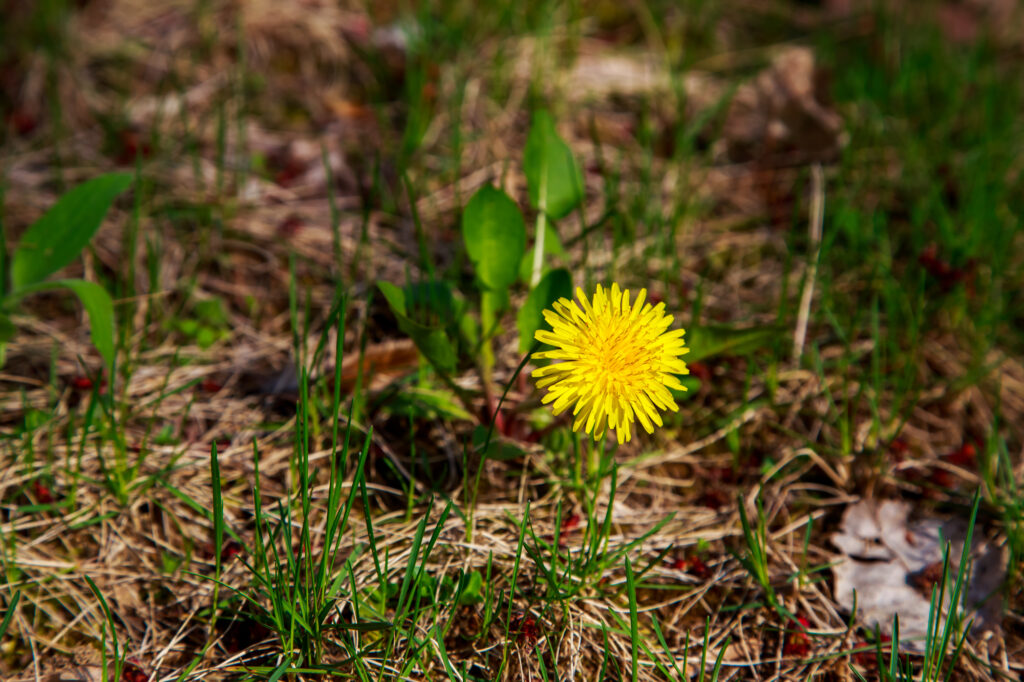
Hydrogen peroxide can revitalize compacted, oxygen-deprived soil, enhancing plant growth and yield. Careful application around plant roots introduces essential oxygen, helping to alleviate compaction issues.
Sanitizing Seeds

Hydrogen peroxide is an excellent sanitizing agent for seeds, especially seeds acquired through unknown sources. Soaking seeds in a peroxide solution eliminates surface bacteria, ensuring a clean start for germination. How to Start Seeds Indoors
Get Rid of Mold and Mildew

Safely combat mold and mildew in both indoor and outdoor plants by applying a
Pest Control

Address pest infestations effectively by spraying plant foliage with a
Protect Your Tomatoes From 15 Pests That Can Wreak Havoc on Your Crop
Preventing Root Rot

Prevent root rot in waterlogged soil by introducing a
Clean Your Fresh Picked Produce

Use a diluted
Treat Fungal and Bacterial Infections

Hydrogen peroxide is effective against fungal and bacterial plant infections. Its disinfecting properties help combat these issues, even if an infection has already begun.
Boost Root Development in Plants

Promote robust root development in cuttings by watering them with a
Remove Chlorine from Water

For gardeners using public water, adding
Sanitize Old Plant Pots

Before repotting, spray the inside of old pots with
Clean Garden Tools

Disinfect garden tools with
Improve Results in Hydroponic or Aquaponic Systems

In hydroponic or aquaponic systems,
8 All-Natural Homemade Cleaners You Can DIY at Home

Making your own all-natural homemade cleaner means using safe, eco-friendly ingredients that you may already have at home.
Check out these easy homemade recipes for window cleaner, laundry detergent, and more.
8 All-Natural Homemade Cleaners You Can DIY at Home
Build Your Dream Garden with These 16 Easy DIY Raised Beds

While pre-made raised beds can be expensive, building your own is a cost-effective alternative. With some basic materials and a bit of effort, you can construct your own raised beds at a fraction of the cost. Here are 16 DIY Raised garden bed projects to help you get started.