It might seem extreme, but if the power grid went down today, many people would be caught completely unprepared. A grid failure—when electricity is suddenly unavailable across a widespread area—isn’t just a minor inconvenience.
It can be triggered by a range of issues, including severe weather, cyberattacks, equipment failure, or even planned outages meant to prevent worse damage. Our modern lives depend heavily on this aging and vulnerable system, yet most of us rarely think about how fragile it really is. When the power goes out, so do the gas pumps, ATMs, traffic lights, and communication networks. What starts as a blackout can quickly spiral into a crisis, especially if it lasts more than a few hours.
If you want to stay one step ahead, here are practical ways to prepare before the lights go out for good.
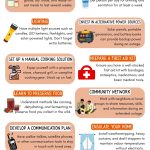
1. Stockpile Non-Perishable Food

Ensure you have enough canned goods, dry foods, and ready-to-eat meals to last several weeks. Focus on items that don’t require refrigeration and will last for years.
2. Store Adequate Water Supplies

Keep at least one gallon of water per person per day for drinking and sanitation for at least a week. Consider water purification systems as backups. It’s a good idea to find a water source now that you’ll need to rely on. You’ll also need ways to transport the water back to your house.
3. Invest in Alternative Power Sources

Solar panels, portable generators, and battery banks can provide backup power during an outage. A generator that relies on propane is a long-term option.
4. Lighting

Have multiple light sources such as candles, LED lanterns, flashlights, and solar-powered lights. Don’t forget extra batteries.
5. Set Up a Manual Cooking Solution

Equip yourself with a propane stove, charcoal grill, or campfire cooking gear. Stock up on fuel.
6. Prepare a First Aid Kit

Ensure you have a well-stocked first aid kit with bandages, antiseptics, medications, and basic medical tools.
7. Learn to Preserve Food

Understand methods like canning, dehydrating, and fermenting to preserve food you collect in the wild. Food that’s in your freezer can be preserved to prevent waste.
8. Insulate Your Home

Install weatherstripping, heavy curtains, and draft stoppers to maintain indoor temperatures without electricity. Aluminum foil and heavy-weight plastic to cover windows are also good options.
9. Store Fuel Safely

Keep a supply of propane, gasoline, or other fuels in safe, approved containers for cooking, heating, and generators.
10. Use Alternative Heating Solutions

Have a wood stove, portable heater, or extra blankets ready to stay warm during colder months.
11. Plan for Hygiene Needs

Stock up on wet wipes, dry shampoo, and other personal hygiene items. Learn how to manage waste if water supplies are disrupted.
12. Stay Informed

Invest in a battery-powered or hand-crank radio to stay updated on weather and emergency information.
13. Develop a Communication Plan
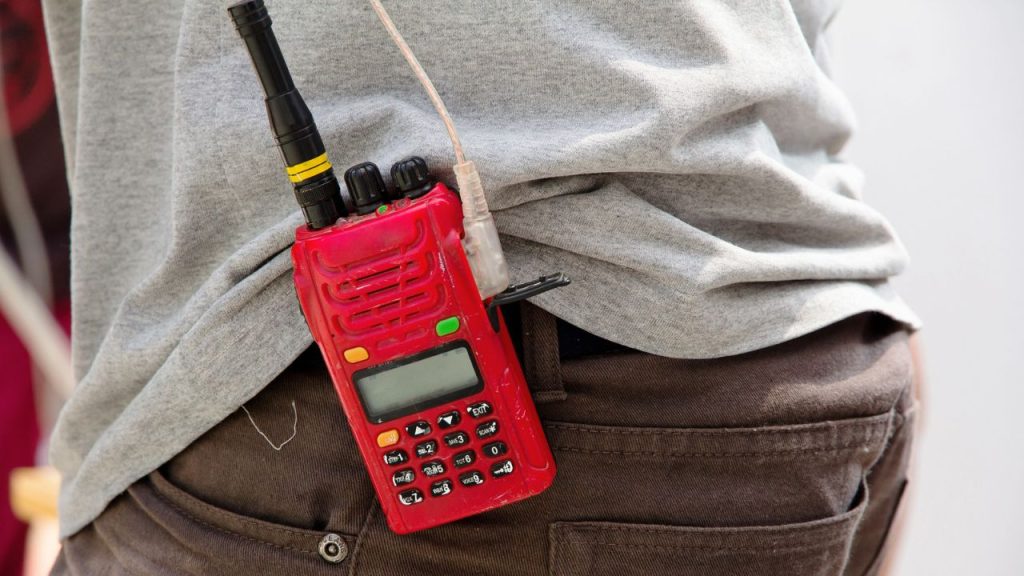
Have walkie-talkies, satellite phones, or other communication tools to stay in touch with loved ones. Have a plan beforehand just in case you’re at work and the kids are at school.
14. Create a Community Network

Work with neighbors or local groups to share resources, skills, and information during an extended outage.
28 Ways to Live Sustainably and Reduce Dependence on Retail and Grocery Stores

Here are some ways to live more independently and cultivate a truly self-reliant lifestyle.
28 Ways to Live Sustainably and Reduce Dependence on Retail and Grocery Stores
14 Prepper Items to Buy at the Thrift Store

For preppers, thrift stores can be a real resource. Building up a stockpile of essential supplies to support your family over an extended period can quickly become quite costly. With that in mind, thrift stores are a great place to find some key items preppers often look for. Here are 14 essential prepper finds you can pick up at a thrift store.