Honeybees give us more than
It has a low melting point, resists water, and works well as a protective coating or lubricant. That makes it handy to keep around the house, especially if you enjoy simple DIY projects and natural alternatives to some store-bought products.
Here are 20 practical ways to put
1. Condition Wooden Cutting Boards and Spoons
Beeswax can help keep wooden kitchen tools from drying out and absorbing too much moisture. Melt a small amount and rub it over clean, dry wood.
For an easy wood conditioner,
The wax leaves behind a protective coating that helps the wood resist moisture and stains.
2. Lubricate Door Hinges
A squeaky hinge can be surprisingly annoying, especially on a bedroom or bathroom door.
Rub a small amount onto the hinge pin or other moving surfaces, then open and close the door several times. Wipe away any excess wax so it doesn’t collect dust.
3. Season Cast Iron Pans
Beeswax can be used in some cast-iron seasoning blends, though it should be used sparingly because it can smoke at high temperatures. For routine cast iron care, food-safe cooking oils remain the more common choice.
If you’re following a
4. Coat Garden Tools to Help Prevent Rust
Garden tools spend plenty of time around moisture, so a little protection can go a long way.
Rub a thin coat onto shovels, trowels,
5. Polish Shoes
Beeswax makes a useful ingredient in homemade leather polish. Combine melted
Apply a small amount of polish to leather shoes and buff with a soft cloth. Test it on a hidden area first, since different types of leather can react differently to oils and waxes.
6. Loosen a Stuck Zipper
A zipper that refuses to move can ruin an otherwise perfectly good jacket or bag.
Rub a tiny amount along the zipper teeth, then gently move the zipper back and forth. Don’t force it if the teeth are bent or the fabric is caught.
7. Make Crayons
Beeswax can be used to make homemade crayons with a few other ingredients.
Combine equal amounts of
Keep children away from the hot wax during preparation.
8. Make Homemade Furniture Polish
Beeswax can give wooden furniture a soft sheen while leaving a protective coating behind. A simple homemade polish can combine melted
Once the mixture cools, rub a small amount onto clean wood and buff it with a soft cloth. Follow the manufacturer’s care instructions for antique or specially finished furniture before using any homemade polish.
For a step-by-step recipe, see this homemade beeswax furniture polish.
9. Make Tealight Candles
Beeswax is a natural material for making candles, including small tealights. If you have empty tealight containers that are still safe to use, melt
Allow the wax to cool completely before burning.
Making your own candles can also be a nice way to reuse suitable containers and leftover
Related post: Easy Beeswax Candle Recipe
10. Lubricate Screws
Driving a screw into hard wood can sometimes take more effort than expected. Rubbing a little
This trick is particularly handy for woodworking projects. Use just enough wax to lightly coat the threads.
11. Rejuvenate Old Leather
Dry leather can become stiff and prone to cracking.
Melt a small amount with a suitable leather-conditioning oil, then apply a thin layer to clean leather. Buff away excess wax once the treatment has soaked in.
Test the mixture on an inconspicuous area first, since some leather finishes can darken or react to oils.
12. Make a Protective Skin Balm
Beeswax is a common ingredient in balms and salves because it creates a thin barrier over the skin. It can help reduce moisture loss and give homemade products their firm texture.
For a simple balm,
If you’re making something for irritated skin, check the other ingredients carefully and avoid applying homemade products to broken or infected skin.
13. Waterproof Boots and Shoes
Beeswax can help make some leather footwear more resistant to water. Warm a small amount of wax and spread a thin coat over clean, dry boots or shoes.
A hairdryer set to low heat can soften the wax so it spreads more easily. Pay close attention to seams and stitching.
Test the treatment first, since wax can darken leather and may not be suitable for suede, nubuck, or some specialty finishes.
14. Make Natural Lip Balm
Beeswax is a familiar ingredient in homemade lip balms because it gives the balm structure and leaves a light protective layer on the lips.
Try combining
For a complete recipe, see this homemade lip balm.
15. Make All-Natural Body Butter
Beeswax can also give homemade body butter a thicker consistency. Combine it with shea butter, cocoa butter, and a carrier oil.
Melt the ingredients together, let the mixture cool until it begins to firm, then whip it if the recipe calls for a lighter texture.
This type of body butter works well on dry areas such as hands, elbows, and heels.
For another recipe idea, try this oatmeal body butter.
16. Seal Woodworking Projects
Beeswax can give unfinished or appropriately finished wood a soft sheen and some resistance to moisture. Melt the wax and apply a thin coat with a clean cloth.
After it cools, buff the surface until it feels smooth.
Keep in mind that
17. Polish Countertops
A small amount of
Apply only a very thin layer and buff it well. Before trying
18. Wax Sewing Thread
Anyone who has worked with thread knows how easily it can twist and knot.
Run the thread lightly across a piece of
This is especially useful for hand sewing and leather projects.
19. Make Fire Starters
Beeswax can turn pinecones and other dry materials into handy fire starters.
Melt the wax in a heat-safe container using a suitable method, then dip dry pinecones into the melted wax. Place them on wax paper or another suitable surface and allow them to cool.
When you’re ready to use them, place a coated pinecone beneath dry kindling and light it carefully.
For another homemade option, see this recipe for pine cone fire starters. Once the fire is established, add properly seasoned firewood.
20. Help Protect Bronze and Brass
Beeswax can leave a protective coating on decorative bronze and brass pieces. After cleaning the item according to its care instructions, rub on a very thin layer of wax and buff it with a soft cloth.
The coating can help slow exposure to moisture and air, which may reduce tarnishing.
Test the wax on a small hidden section first, particularly with antiques or pieces that have a special finish.
What Is Beeswax ?
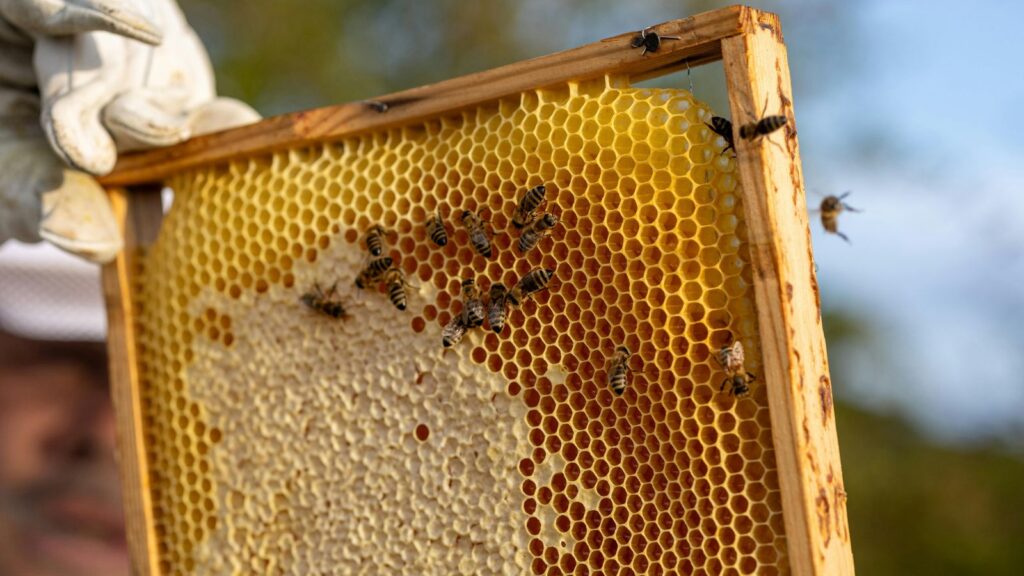
Beeswax is produced by worker honeybees. Young worker bees secrete wax from glands on the underside of their abdomens. The bees use it to build the familiar hexagonal cells that make up their honeycombs.
Beekeepers can collect
The finished wax can range from pale yellow to deeper golden shades, depending on its source and how it has been processed.
Because
Is Beeswax Safe to Use on Skin?
Beeswax is widely used in lip balms, lotions, salves, and other personal-care products. It forms a light barrier on the skin, which can help reduce moisture loss and give balms a thicker consistency.
Some people may have sensitivities to
For homemade skincare, use clean ingredients and containers, and avoid applying products to broken or infected skin.
How Do You Identify Quality Beeswax Products?
If you’re buying
Pure
For skincare or lip products, choose
Buying from a reputable beekeeper or established supplier can also make it easier to find out how the wax was collected and processed.
Other Topics You Might Like
- 10 Strange Things That Are Surprisingly Smart to Stockpile
- How to Clean a Wood Cutting Board
- 15 Safe Ways to Clean a Cast Iron Skillet Without Ruining the Seasoning
- 12 Things Professional Organizers Would Never Store Under the Kitchen Sink
- 12 Small Habits That Make a Big Difference in Keeping Your Home Clean