This post may contain affiliate links.
When people talk about creating a backyard sanctuary, they usually picture butterflies drifting over flowers, songbirds at the feeder, and maybe a rabbit nibbling in the grass. But a truly healthy ecosystem isn’t built on the “pretty” animals alone. Some of the most important backyard helpers are the ones we’re quick to label as pests, creepy, or unwelcome.
The truth is, many of the animals we shoo away are doing vital work behind the scenes. They control insect populations, pollinate plants, improve soil, and keep rodent numbers in check. When you make space for these misunderstood creatures, you’re not just tolerating them — you’re strengthening the natural balance of your yard. Here are 15 animals that may be feared or overlooked but actually play an important role in a thriving backyard ecosystem.
Wasps

Wasps don’t have the gentle reputation of bees, but many species are excellent pest hunters. They feed on caterpillars, aphids, and other insects that damage plants. They also assist with pollination.
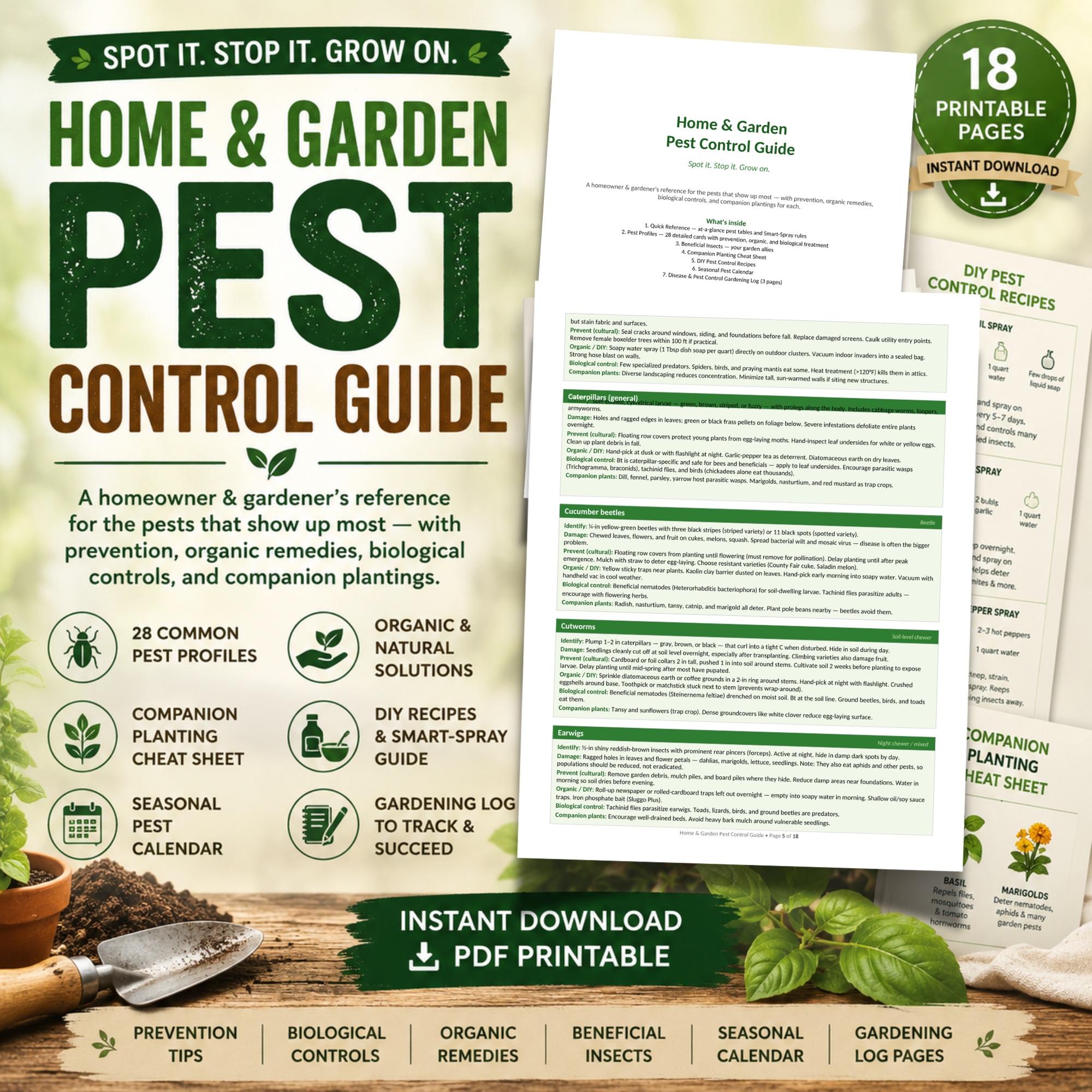
18-page quick guide and reference for gardeners dealing with pests that show up the most. From prevention strategies to treatment and remedies, this is the perfect printable for your garden.
Bees
Bees may have stingers, but they’re far more interested in flowers than in people. They are responsible for pollinating a huge percentage of the crops and plants we rely on.
Without bees, gardens struggle to produce fruits, vegetables, and seeds. Planting native wildflowers and reducing pesticide use can turn your yard into a haven for these essential pollinators.
Opossums
Opossums don’t always win popularity contests, but they provide serious benefits. These quiet, nocturnal animals consume large numbers of ticks each season, helping reduce the spread of tick-borne illnesses. They also eat insects and carrion, acting as natural cleanup crews.
Spiders
Spiders might make you uneasy, but they are some of the best natural pest controllers around.
They feed on flies, mosquitoes, moths, and other insects that can damage plants or ruin outdoor gatherings. A healthy spider population often means fewer nuisance bugs overall.
Snakes
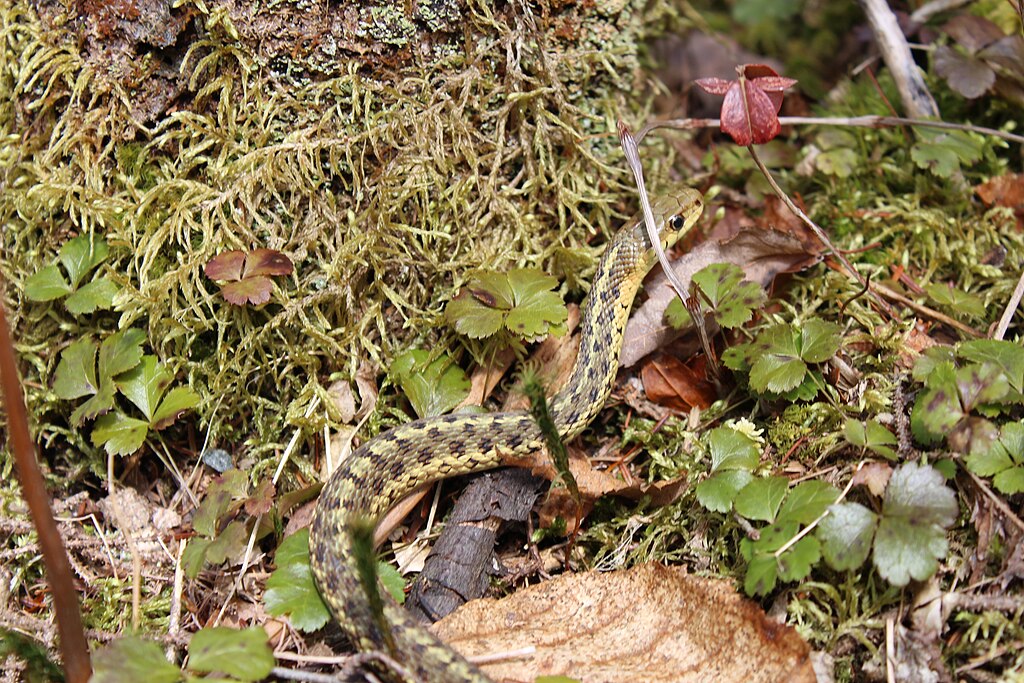
Not all snakes are dangerous, and most backyard varieties are harmless. Many feed on rodents, slugs, and insects that damage gardens.
While surprising to spot, garden snakes quietly help manage pest populations without the need for chemicals.
Frogs and Toads
Frogs and toads are excellent indicators of a healthy environment. They feast on flies, beetles, slugs, and other plant-damaging insects.
Adding a small water feature or keeping areas of your yard damp and pesticide-free can make your space welcoming to these natural pest controllers.
Earthworms
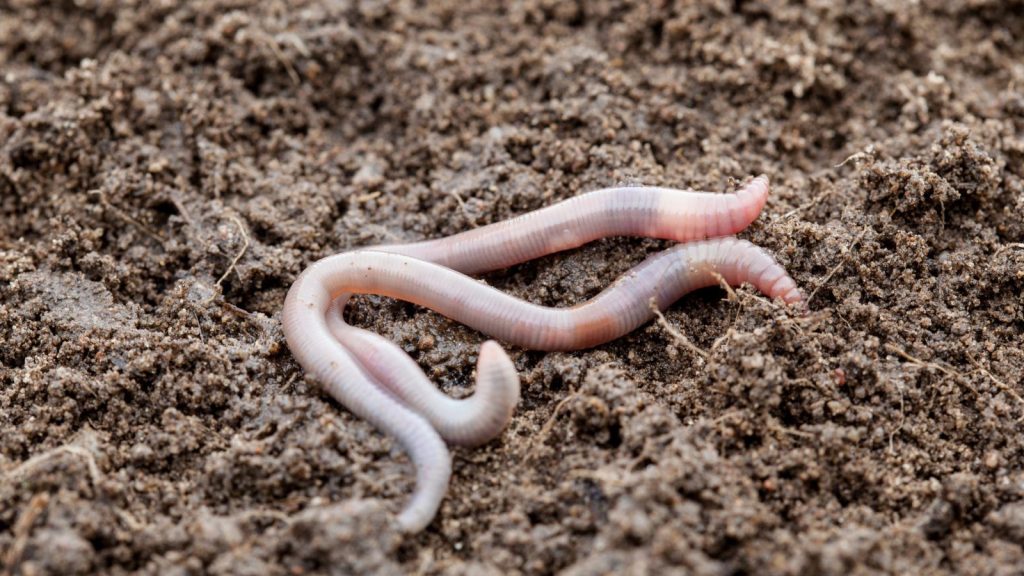
Earthworms aren’t flashy, but they’re foundational. As they tunnel through soil, they aerate it, improve drainage, and break down organic matter into nutrient-rich compost. Healthy soil almost always means healthy worm activity.
Bats
Bats are often misunderstood, but they are powerful allies in insect control. A single bat can consume hundreds, even thousands, of mosquitoes in one night. Installing a bat house provides shelter while helping reduce pest populations naturally.
Ants
While indoor ants can be frustrating, outdoor ants play an important role. They help aerate soil, spread seeds, and prey on smaller insects. In moderation, they contribute to a balanced ecosystem.
Hawks
Hawks may seem intimidating, but their presence signals a functioning food chain. By controlling rodent populations, they help prevent overpopulation that can damage gardens and spread disease.
Ladybugs

Ladybugs are widely loved, and for good reason. They feed heavily on aphids, scale insects, and other destructive garden pests. Planting herbs and flowering plants can encourage them to stick around.
Raccoons
Raccoons can be mischievous, but they also consume grubs and insects in lawns. With secure trash storage and smart deterrents, their beneficial behavior can outweigh the inconvenience.
Fireflies
Fireflies add beauty to summer evenings, but their larvae are also predators that feed on slugs and snails. Avoiding heavy pesticide use helps protect these glowing helpers.
Crows
Crows are intelligent birds that consume insects, rodents, and leftover food waste. Their role as scavengers helps reduce debris and keep pest populations in check.
Ground Beetles
Ground beetles are quiet but effective predators of slugs, caterpillars, and other plant-damaging insects. They do most of their work unnoticed, contributing to natural pest management.