Hydrogen peroxide is one of those inexpensive items that often sits in the medicine cabinet until someone needs it. Most people know it as a first-aid staple, but the familiar 3% solution can also be useful for certain cleaning and gardening jobs.
It can help with stains, freshen some household surfaces, and sanitize gardening tools. Some popular uses for
Here are 21 ways

Disinfect a Cutting Board
Hydrogen peroxide can be used to sanitize hard, nonporous surfaces such as plastic cutting boards. Pour a small amount over the cleaned surface and spread it evenly. Let it sit for a few minutes, then rinse and dry the board.
For wooden cutting boards, regular washing and proper drying are usually the better routine.
Related: How to Clean a Wood Cutting Board
Help Remove Stains
Hydrogen peroxide can help lift certain organic stains, including blood and some food stains. Apply a small amount to the affected area, allow it to fizz briefly, then blot with a clean cloth.
Because peroxide can bleach or lighten some fabrics, test it on an inconspicuous spot before treating the stain. Wash the item according to its care label afterward.
Help With Houseplant Root Problems
You may see
If a plant has root problems, remove it from soggy soil, trim away badly damaged roots with clean tools, and move it into fresh, well-draining potting mix. Correcting the watering routine is usually more helpful than repeatedly adding peroxide to the soil.
Wash Fruits and Vegetables
This is one use that’s better skipped.
The FDA recommends washing fruits and vegetables thoroughly under running water before eating or preparing them. Don’t use household cleaning products on food unless the product label specifically says it is safe for that purpose.
Make Tile Grout Look Cleaner
Grout can collect dirt and discolor over time, especially in kitchens and bathrooms.
Apply a small amount to the area, let it sit briefly, then scrub with an appropriate brush and rinse. Test a hidden section first, since peroxide can lighten some materials.
Remove Surface Mold
Hydrogen peroxide can help clean small areas of mold on suitable hard surfaces. Spray the affected area with 3%
For extensive mold growth, recurring moisture problems, or mold covering a large area, cleaning the surface alone isn’t enough. The moisture source needs to be fixed, and professional help may be needed.
Freshen the Toilet Bowl
Hydrogen peroxide can be used as a simple cleaning aid for a toilet bowl. Pour a small amount into the bowl, let it sit for several minutes, then scrub with a toilet brush and flush.
Never mix
Weed Control
Hydrogen peroxide can damage plant tissue, which means it can also damage plants you want to keep. Rather than treating it as a blanket weed killer, be cautious about using it in the garden.
For a more reliable option, check out these 12 Natural Ways to Get Rid of Weeds in Your Garden.
Help With Seed Germination
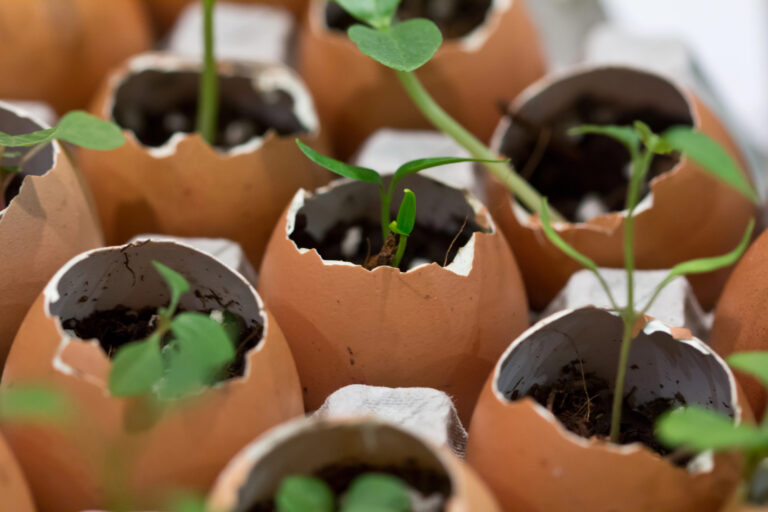
Some gardeners use diluted
Results can vary by plant, so don’t assume the same treatment works for every variety. Follow the seed supplier’s instructions when available, especially for treated or coated seeds.
Treat Potting Mix Before Use
Hydrogen peroxide is sometimes suggested as a way to sanitize potting soil, but it isn’t a substitute for properly prepared commercial potting mix.
If you’re reusing old potting mix, remove dead roots and plant debris and make sure the mix has been stored properly. For seedlings, fresh sterile seed-starting mix is often the safer choice.
Improve Poorly Aerated Soil
Hydrogen peroxide releases oxygen as it breaks down, which is why it is sometimes recommended for compacted soil. That doesn’t mean regularly pouring peroxide onto garden beds is a good idea.
Poor drainage and compacted soil are better addressed by improving the soil structure, adding suitable organic matter, and correcting drainage. Overuse of peroxide can harm beneficial organisms in the soil.
Sanitize Seeds
A diluted
For seeds you plan to save or purchase from a supplier, check the recommended treatment first. Some seeds can be damaged by treatments that are too strong or left on too long.
Related: How to Start Seeds Indoors
Clean Mirrors
You don’t need a cabinet full of specialty cleaners to clean every mirror in the house. A small amount of
Spray it lightly onto a microfiber cloth rather than soaking the mirror, then wipe the glass and buff it dry. For everyday fingerprints and dust, plain glass cleaner or diluted dish soap can work just as well.
Sanitize a Dish Sponge
Kitchen sponges can hold food particles and bacteria, so replacing them regularly is still the best way to keep them fresh.
For a sponge that is still in good condition,
Clean Countertops
Hydrogen peroxide can be useful for cleaning some hard, nonporous countertops. Apply a small amount to a cloth and wipe the surface, then rinse if needed.
Check the care instructions for your countertop before using peroxide. Natural stone, wood, and other specialty surfaces may require different cleaners.
Clean Children’s Toys
Hydrogen peroxide can be used on some washable, nonporous toys. Wipe or spray the cleaned toy with 3%
Read the manufacturer’s care instructions first, especially for toys with fabric, electronics, painted surfaces, or small parts.
Brighten White Clothes
Hydrogen peroxide can work as an oxygen-based bleaching agent and may help brighten white laundry. Add it to the wash according to the product’s instructions rather than pouring it directly onto colored fabric.
It can also help with certain stains, but always check the clothing care label and test delicate fabrics before using it.
Manage Garden Pests
Hydrogen peroxide isn’t a reliable all-purpose insecticide, and spraying it directly on plant foliage can cause damage. If you’re dealing with insects, identify the pest first and use a treatment that is appropriate for that particular problem.
For tomato growers, these tips may help: Protect Your Tomatoes From 15 Pests That Can Wreak Havoc on Your Crop.
Help Plant Cuttings
You may come across recommendations to add
Clean water, a suitable growing medium, proper humidity, and good light are much more important for getting cuttings off to a healthy start.
Sanitize Old Plant Pots
Old pots can hold soil residue, mineral deposits, and plant pathogens.
Scrub away old soil first, rinse the pot, then disinfect it with an appropriate cleaner. Rinse thoroughly before using the container for another plant.
Clean Garden Tools
Garden tools can carry plant diseases from one plant to another, particularly after working with diseased foliage or roots.
Clean off soil and plant debris first, then disinfect compatible tool surfaces with
Hydrogen peroxide can be handy, but more isn’t always better. Stick with standard 3% household
Other Topics You Might Like
- 10 Strange Things That Are Surprisingly Smart to Stockpile
- How to Clean a Wood Cutting Board
- 15 Safe Ways to Clean a Cast Iron Skillet Without Ruining the Seasoning
- 12 Things Professional Organizers Would Never Store Under the Kitchen Sink
- 12 Small Habits That Make a Big Difference in Keeping Your Home Clean