With so much talk about cyberattacks, global conflicts, and potential disasters, it can be difficult to know what you should actually be preparing for. But some of the most useful emergency preparations have little to do with doomsday scenarios.
In a recent Reddit discussion, preppers encouraged people to focus less on predicting the next major disaster and more on how their households would manage if everyday essentials suddenly became unavailable.
Here are some of the more realistic emergencies worth preparing for.
Extended Power Outages
Electricity powers nearly everything in our homes, from refrigerators and cooking appliances to heating systems and medical equipment. An outage lasting several days can leave households struggling to keep food fresh, prepare meals, and maintain a comfortable temperature.
Having flashlights, spare batteries, portable power banks, and food that doesn’t require cooking can make an extended outage much easier to manage.
Severe Winter Weather
Heavy snowfall, freezing temperatures, and ice storms can leave households without electricity, heating, or access to essential supplies. Even a relatively short period of extreme cold can become dangerous, particularly in older homes with poor insulation.
Extra blankets, thermal clothing, weatherproofing supplies, and a safe alternative heating plan are worth having in place before temperatures drop. Never use outdoor heaters, grills, or camping stoves indoors.
Interruptions to the Water Supply
Clean running water is one of those everyday necessities that’s easy to take for granted. Water main breaks, infrastructure failures, natural disasters, and contamination can leave households without access to safe drinking water.
Keeping an emergency water supply for drinking, cooking, and basic hygiene should be a priority. It’s also worth knowing where your home’s main water shutoff valve is located.
Internet and Communication Outages
Losing internet access or cellular service can make it difficult to receive emergency alerts, contact family members, access important information, or find out what’s happening in your community.
A battery-powered radio, a printed list of important phone numbers, and an established family communication plan can help you stay informed and connected without relying entirely on your smartphone.
Disruptions to Grocery Stores and Food Supplies
Grocery stores depend on regular deliveries, functioning refrigeration systems, electricity, and reliable transportation networks. Severe weather, technical failures, and transportation disruptions can temporarily limit access to food and other household necessities.
Keeping several days’ worth of shelf-stable foods your household already eats can reduce the need to rush to the grocery store during an emergency. Include foods that require little or no cooking in case you also lose access to electricity.
Related: 13 Grocery Stores That Help Stretch Your Food Budget
Electronic Payment and Banking Disruptions
Credit cards, mobile payment apps, and ATMs all depend on functioning technology. Even a temporary network outage can leave people unable to pay for groceries, gas, or other necessities, even if they have money in their bank accounts.
Keeping a reasonable amount of emergency cash in small denominations provides an alternative when electronic payment systems are temporarily unavailable.
Interruptions to Medical Supplies and Essential Services
Households that depend on prescription medications, medical equipment, or regular healthcare services face additional challenges during emergencies. Severe weather, power outages, and transportation disruptions can make it difficult to refill prescriptions or attend important medical appointments.
Speak with your healthcare provider about maintaining an appropriate backup supply of medication, and keep printed copies of prescriptions, medical information, and emergency contacts. Anyone who relies on powered medical equipment should also have a backup power plan.
Unexpected Household Emergencies
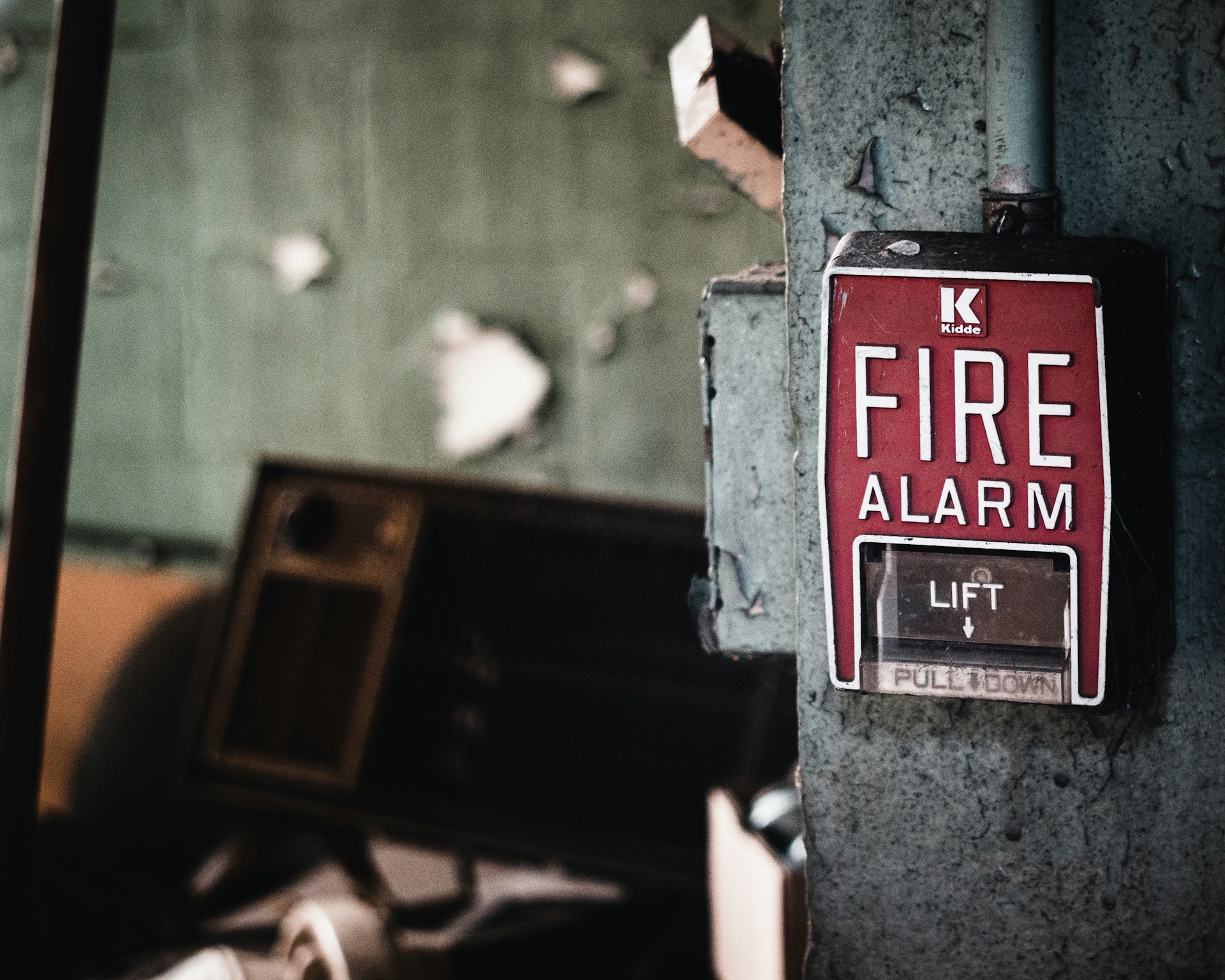
Some of the most disruptive emergencies happen right inside our homes. A burst pipe, broken furnace, electrical failure, or unexpected plumbing problem can disrupt everyday life and lead to costly repairs.
Knowing how to shut off your water supply, locate your electrical panel, and handle minor household repairs can help prevent a manageable problem from becoming a much bigger one. Keeping basic tools and emergency repair supplies at home is also worthwhile.
Related: 21 Essential Emergency Supplies That Every Home Should Have Stocked
Prepare for the Disruption Rather Than the Disaster
You don’t need to predict what will cause an emergency to prepare for its effects. Whether a power outage results from severe weather, equipment failure, or a cyberattack, many of the basic household preparations remain the same.
Start by considering how your household would manage for three days without electricity, running water, internet access, or the ability to visit a grocery store. You may discover several gaps in your everyday preparations that are relatively easy and affordable to address.
Emergency preparedness is about making your household less vulnerable to unexpected disruptions, regardless of what causes them.