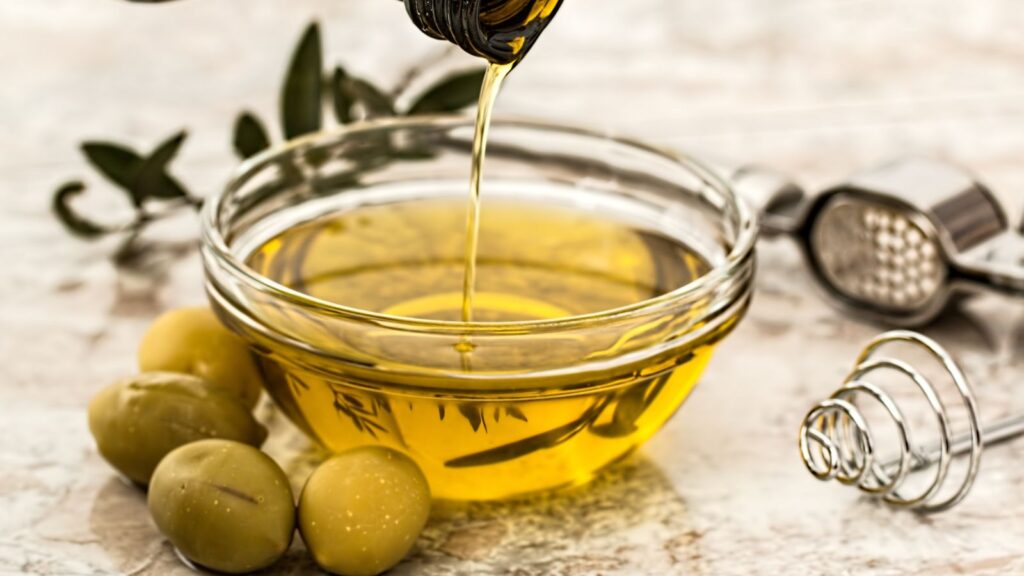
Olive oil probably has a permanent spot in your kitchen, but there’s more you can do with it than drizzle it over a salad or use it for cooking. That bottle in the pantry can also come in handy for a handful of household and personal-care jobs.
From loosening sticky labels to conditioning certain leather items, olive oil can be surprisingly useful. Just keep in mind that oil can stain some materials, so test it on a hidden area before using it on anything valuable.
Here are 14 practical uses for olive oil that are worth knowing.
Renew Furniture
Wood furniture can lose some of its shine over time, especially after years of cleaning and everyday use. A little olive oil can give certain finished wood surfaces a temporary boost.
For a homemade furniture polish, mix equal parts olive oil and white vinegar in a jar and shake well. Apply a small amount with a soft cloth, following the direction of the wood grain. Buff away any leftover oil with a clean cloth.
Test the mixture on an inconspicuous area first, since vinegar and oil aren’t suitable for every wood finish.
Related: How to Clean Wood Furniture
Make Your Silverware Shine Again
If your silverware has lost some of its shine, olive oil can help with light surface grime. Mix a small amount of olive oil with baking soda to make a soft paste, then gently rub it over the piece with a soft cloth.
Rinse thoroughly with warm water and dry with a clean towel. For valuable or heavily tarnished silver, use a cleaner made for the specific metal instead.
Remove Paint From Your Skin
Painting can leave more than a few colorful spots on your hands. Rather than scrubbing your skin over and over, try using a little olive oil first.
Massage a small amount into the paint-covered area to loosen the residue. Once the paint starts breaking down, wash your hands with warm water and soap.
This can be especially handy for removing oily paint or other stubborn residue without immediately reaching for a harsh solvent.
Get Gum Out of Hair
Few childhood mishaps are as frustrating as finding chewing gum stuck in someone’s hair. Before reaching for the scissors, grab some olive oil.
Work a small amount into the hair around the gum and let it sit for a minute or two. Gently massage the area and work the gum loose with your fingers or a wide-tooth comb. Add a little more oil if needed, then wash the hair thoroughly afterward.
Restore Leather
Olive oil is sometimes used to condition leather, but it isn’t the best choice for every leather item. Some leather manufacturers warn against using cooking oils because they can darken the material or leave behind a greasy residue.
If you decide to try it, use a tiny amount on a soft cloth and test it somewhere hidden first. For valuable leather furniture, bags, or shoes, follow the manufacturer’s care instructions or use a conditioner made for leather.
Clear Sticky Tags and Residue
Peeling off a price sticker only to find a stubborn layer of glue underneath is frustrating. Olive oil can help soften some adhesive residue.
Put a small amount of oil on a cloth and rub it over the sticky area. Let it sit briefly, then wipe away the loosened residue. Finish by cleaning the surface with a suitable cleaner.
Related: How to Remove Sticky Residue
Silence Squeaky Doors
A squeaky hinge can make an otherwise quiet room surprisingly noisy. A tiny amount of olive oil can provide temporary lubrication for some household hinges.
Apply a small amount to a cloth or cotton swab and work it into the hinge. Open and close the door several times to distribute the oil, then wipe away the excess.
For a long-term fix, a lubricant made for hinges may be a better choice.
Revive Cutting Boards
Wooden cutting boards can dry out and look dull after repeated washing. Food-safe mineral oil is usually the preferred choice for conditioning them because it doesn’t spoil the way cooking oils can.
If you’re looking for ways to care for your wooden cutting boards, stick with products recommended for food-contact surfaces rather than relying on olive oil for long-term conditioning.
Heal Sunburn
Olive oil isn’t a good treatment for sunburn. Applying oil to freshly sunburned skin can trap heat and may make discomfort worse.
For a sunburn, cool the skin with a cool bath or compress, keep the area moisturized, drink plenty of fluids, and stay out of the sun while the skin heals. If the burn is severe or accompanied by blistering over a large area, seek medical advice.
Shine Stainless Steel
Stainless steel appliances are magnets for fingerprints and smudges. A tiny amount of olive oil can help give some stainless steel surfaces a polished appearance.
Put a few drops on a soft microfiber cloth and wipe with the grain of the steel. Follow with a clean, dry cloth to remove excess oil.
Don’t use enough oil to leave the surface greasy, and check the appliance manufacturer’s care instructions first.
Remove Eye Makeup
If you’re out of makeup remover, olive oil can help loosen some eye makeup. Put a small amount on a cotton pad and gently wipe the makeup away without rubbing hard.
Be careful around your eyes and avoid getting the oil directly into them. If you have sensitive skin or wear contact lenses, a makeup remover made for the eye area may be a better option.
Related: DIY Coffee Eye Mask to Help Sooth Undereye Puffiness
Remove Water Marks
White water rings on finished wood furniture can sometimes be improved with an oily treatment, though results depend heavily on the finish and the age of the stain.
Before trying olive oil, test the method in a hidden spot. If the finish reacts well, apply a very small amount of oil to a soft cloth and gently rub the affected area. Wipe away the excess and check the results.
For stubborn or older water stains, the finish itself may need attention rather than another layer of oil.
Soothe Dry Skin
Olive oil can work as a simple moisturizer for some people with dry skin. Apply a small amount to slightly damp skin after bathing to help reduce moisture loss.
If you’re prone to irritation or breakouts, test a small area first. Fragrance-free moisturizers made for the skin may be a better fit for sensitive skin.
Soften Lips
Dry lips can benefit from a tiny dab of olive oil. Rub a small amount over your lips when they feel dry, then wipe away any excess.
It can provide temporary moisture, though a lip balm with ingredients such as petrolatum or
Related: How to Make Your Own Lip Balm
Other Topics You Might Like
- 10 Strange Things That Are Surprisingly Smart to Stockpile
- How to Clean a Wood Cutting Board
- 15 Safe Ways to Clean a Cast Iron Skillet Without Ruining the Seasoning
- 12 Things Professional Organizers Would Never Store Under the Kitchen Sink
- 12 Small Habits That Make a Big Difference in Keeping Your Home Clean