Not too long ago, the word prepper probably brought to mind someone with a basement full of canned food, a backyard bunker, and enough emergency supplies to survive for months without leaving the house.
For years, people who stocked up on food, stored extra water, or worried about major disruptions were often dismissed as taking things too far.
But that attitude appears to be changing.
Following a series of technology outages affecting everything from banking services to air travel, more Americans are taking an interest in emergency preparedness.
Emergency Supply Sales Are Surging
A recent Axios report highlights just how quickly interest in emergency preparedness has increased.
Survival Frog, a retailer specializing in emergency food and survival equipment, reported a 450% increase in sales between October 27 and November 16 compared with previous weeks.
The company’s founder and CEO, Byron Walker, told Axios that other retailers were experiencing similar trends. Perhaps even more interesting, most of Survival Frog’s recent buyers were new customers rather than people who had been purchasing survival supplies for years.
While those figures reflect one company’s sales rather than the entire industry, they suggest that emergency preparedness is attracting a new group of shoppers.
Related: Are More Americans Becoming Preppers Without Calling Themselves One?
What’s Behind the Sudden Interest in Prepping?
The renewed interest follows several high-profile technology disruptions that have affected services Americans depend on every day.
Recent incidents have interrupted banking transactions, communications, transportation, and other essential systems. Although officials have said the disruptions aren’t broadly connected, the events have raised concerns about how households would manage if important services became unavailable for an extended period.
Some people are also worried about cyberattacks and vulnerabilities in the nation’s infrastructure. Those concerns don’t mean a widespread emergency is imminent, but they appear to be influencing how some Americans think about preparedness.
Rather than waiting for something to happen, more consumers are purchasing supplies they believe could help them manage an unexpected disruption.
The New Preppers Aren’t Necessarily Preparing for Doomsday
One of the more interesting developments is how the idea of prepping appears to be changing.
Michael Mills, a senior lecturer at the University of Greenwich who studies doomsday preparation, told Axios that some people are adopting lighter versions of traditional prepping as concerns about global stability grow.
Instead of building bunkers or storing years’ worth of food, these households may be putting together emergency bags, keeping extra drinking water, or making sure they have enough groceries to get through several days without shopping.
It’s a different approach from the extreme survival scenarios often associated with the prepper movement. For many newcomers, the goal appears to be getting through a temporary disruption rather than preparing for the end of the world.
Here’s What New Preppers Are Buying
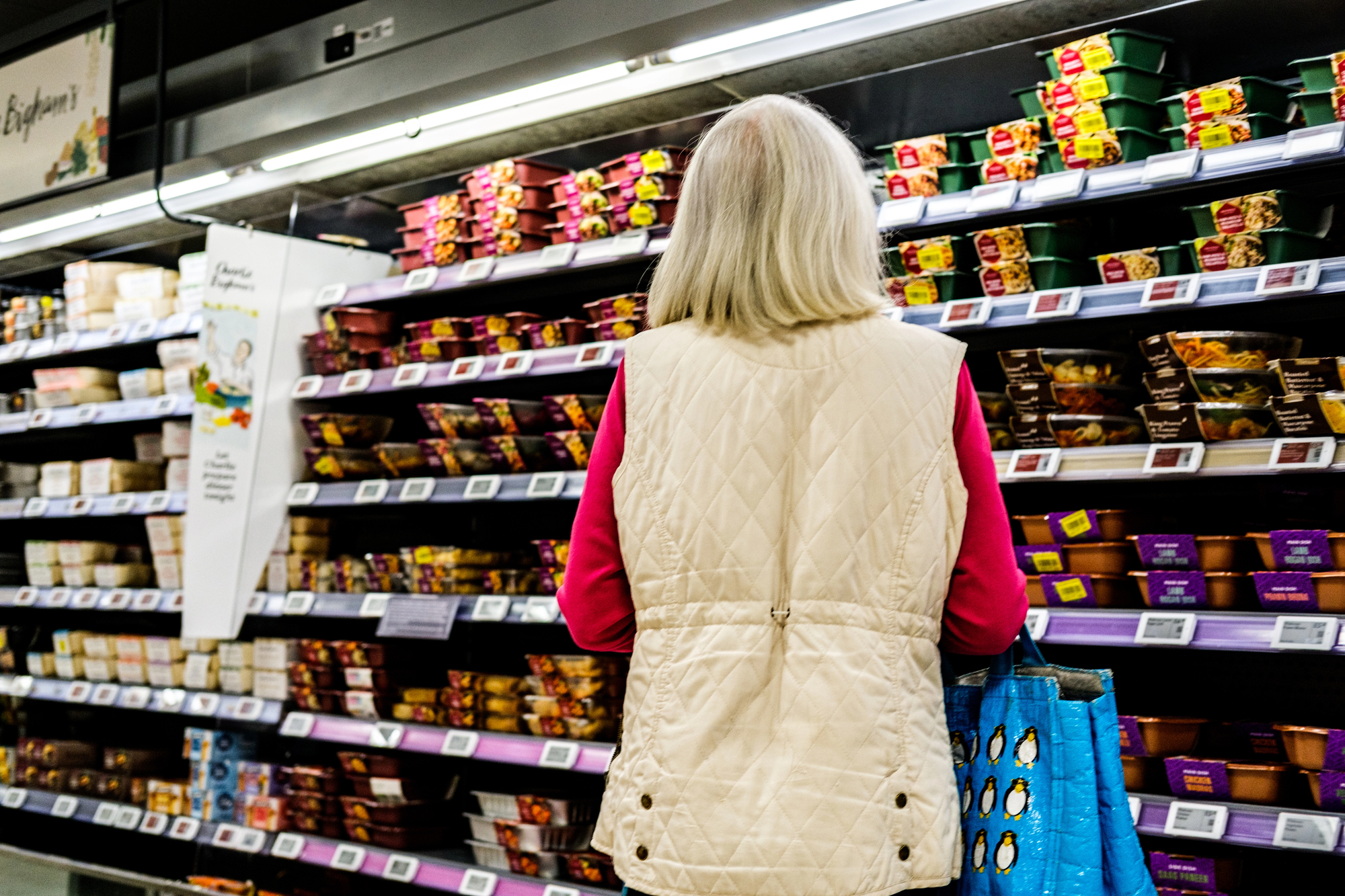
Food has been the biggest driver of recent demand, particularly canned meats.
Emergency radios, solar generators, battery packs, and water filters are also attracting shoppers. These products address concerns about recent outages, including the possibility of losing access to electricity, communications, or other everyday services.
The shopping habits suggest that many buyers are focused on basic needs such as food, water, information, and backup power.
And unlike specialized survival equipment that might never be used, some of these supplies can also come in handy during ordinary power outages, severe weather, or other unexpected situations.
Is Prepping Finally Becoming Normal?
Keeping extra food in the pantry, storing drinking water, and keeping a flashlight on hand aren’t particularly unusual habits. In fact, many families have done these things for generations without ever considering themselves preppers.
What’s changing is the attention those habits are receiving.
The recent sales surge suggests that emergency preparedness is reaching people who may not have previously considered purchasing survival products. At the same time, the growing interest in smaller, more practical preparations is making the concept feel less extreme.
That doesn’t necessarily mean everyone is becoming a prepper. But it does suggest that the line between ordinary household planning and emergency preparedness is becoming less distinct.
A Changing Attitude Toward Being Prepared
For years, the prepper stereotype centered on people expecting the worst. Now, at least some of the interest seems to come from everyday households wondering how they would manage without the services they normally take for granted.
The recent increase in sales doesn’t prove Americans are preparing for a specific disaster, and the Axios report provides no evidence that a nationwide breakdown is imminent.
What it does show is that more people are paying attention to emergency preparedness, including many who are buying supplies for the first time.
And perhaps that’s the biggest change of all. The same habits that once earned someone the label of prepper are increasingly being viewed as ordinary ways to prepare for an unexpected emergency.