For years, the word “prepper” brought to mind people building underground bunkers, stockpiling years’ worth of food, and preparing for worst-case scenarios. But what about the person who keeps a few extra cases of water in the garage, buys canned food when it’s on sale, or invests in a portable power station in case the electricity goes out?
Many of these habits were once considered ordinary household practices. Yet as people navigate rising living costs, power outages, extreme weather, and memories of pandemic shortages, being prepared may mean something different.
In a recent interview with Business Insider, a woman shared how she spent approximately $1,200 on emergency supplies despite not considering herself a prepper. Her experience raises an interesting question: Is emergency preparedness becoming more mainstream?
The Pandemic Changed How Some People Think About Being Prepared
Before the pandemic, many Americans took for granted that they could run to the grocery store whenever they needed something. Empty shelves, product shortages, and purchasing limits quickly challenged that assumption.
For this woman, being unprepared during COVID was something she didn’t want to repeat. After seeing online discussions about potential blackouts, she purchased everything from batteries and camping equipment to bottled water and canned food.
Although the rumored blackout was not an established threat, her concerns reflect a practical lesson from the pandemic. Having immediate access to everyday necessities isn’t always guaranteed.
Retailers Are Seeing Increased Interest in Emergency Supplies
In a separate November 20 report, Business Insider reported increased demand for emergency supplies following several widely publicized technology and infrastructure disruptions.
Retailers including Walmart, Costco, and Tractor Supply have seen increased interest in products such as portable generators, bottled water, propane, batteries, and water storage equipment. Companies specializing in long-term emergency food supplies have also reported increased orders.
While these purchases don’t necessarily mean more Americans consider themselves preppers, they suggest that emergency preparedness is attracting consumer attention.
Prepping Doesn’t Necessarily Mean Preparing for the End of the World
One of the biggest misconceptions about prepping is that it revolves around catastrophic events. In reality, plenty of everyday situations make it make sense to have extra supplies at home.
An unexpected job loss, a broken-down car, a winter storm, or an extended power outage can temporarily disrupt a household’s ability to access food and other necessities.
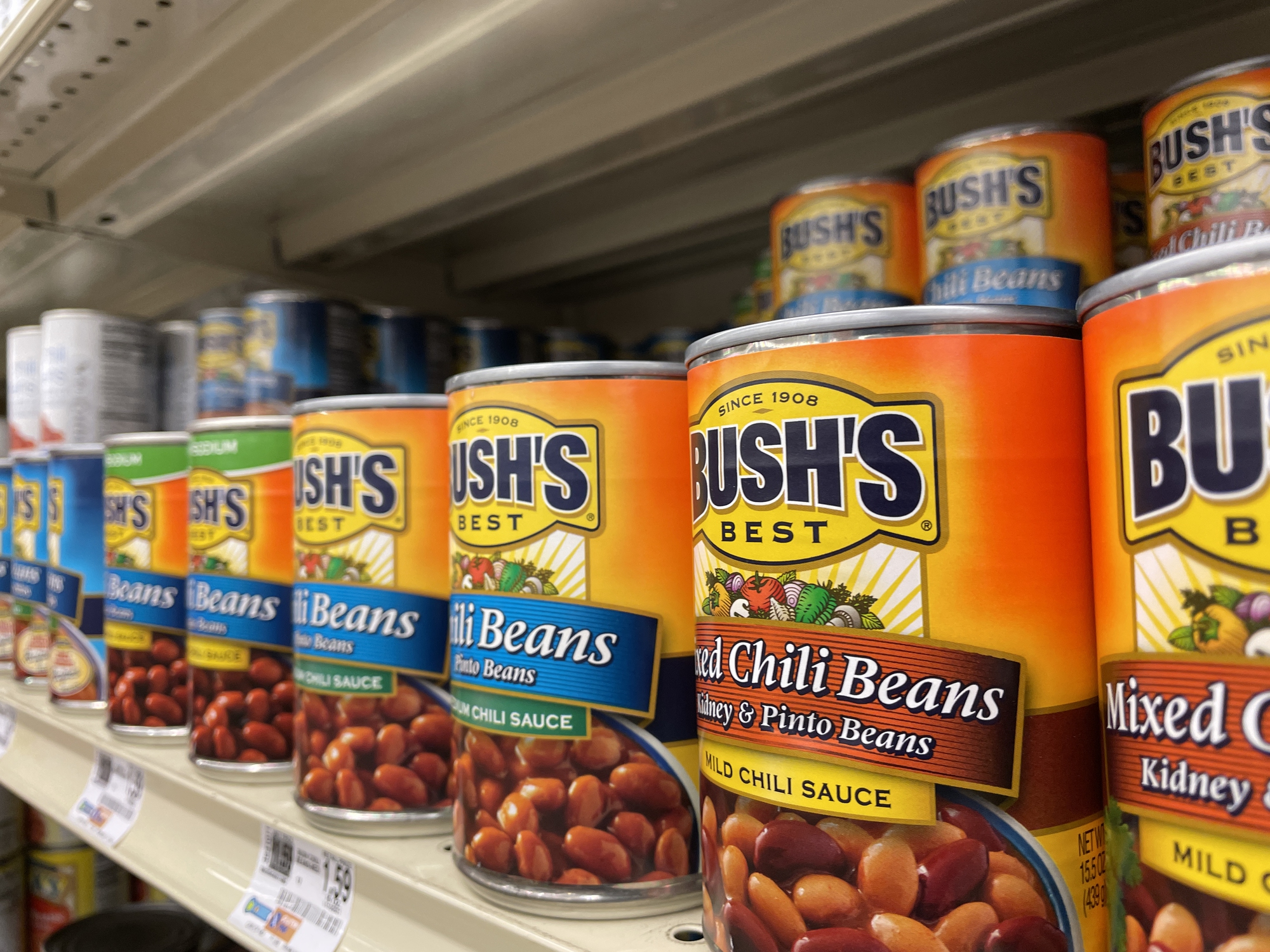
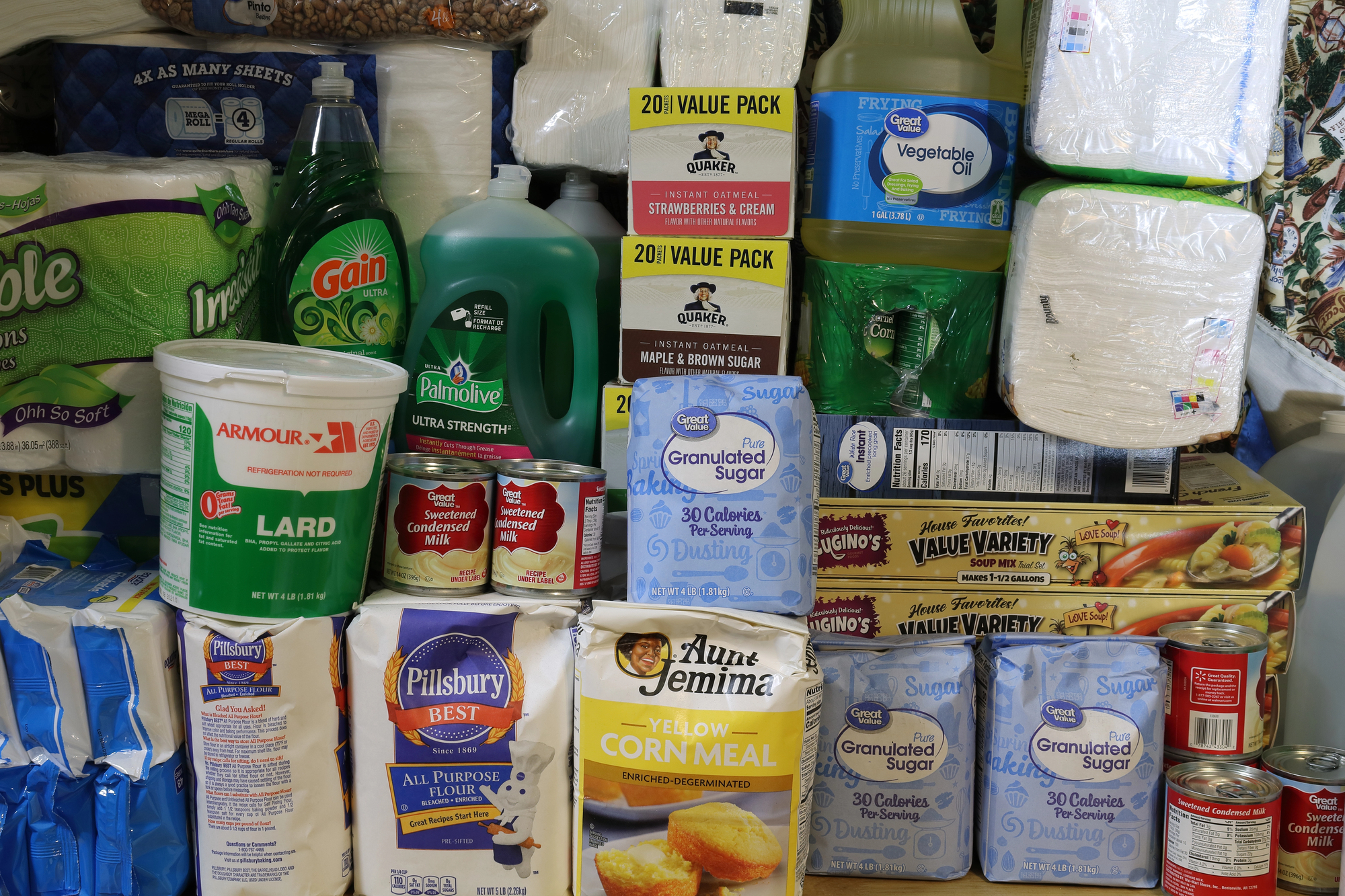
Keeping extra groceries, batteries, flashlights, drinking water, and basic first-aid supplies can make these situations a little easier to manage. None of these purchases requires believing that a major disaster is imminent.
Emergency Supplies Can Be Useful Even if Nothing Happens
One concern people have about buying emergency supplies is whether they’ll waste money on things they never use.
However, many preparedness items have practical uses outside of emergencies. Portable chargers are useful when traveling, flashlights come in handy during household repairs, and extra pantry staples can help reduce grocery expenses during financially difficult months.
Choosing supplies that fit your existing lifestyle makes preparedness a more practical investment.
Being Prepared May Simply Be Becoming Part of Everyday Life
Not everyone who stocks up on canned food, keeps emergency cash at home, or invests in backup power considers themselves a prepper. For some, it’s about protecting their family, managing household expenses, and being less dependent on everything going according to plan.
Perhaps the distinction between prepping and ordinary household preparedness isn’t as significant as it once seemed.
You don’t need to anticipate the next disaster to recognize the value of having a backup plan. And you certainly don’t need to call yourself a prepper to have one.