If you’ve ever struggled to slice a tomato or chop an onion with a dull kitchen knife, you know how frustrating meal prep can become. But before you head to the store to buy a knife sharpener, you might want to take a look inside your coffee cabinet.
The bottom of a ceramic coffee mug can double as a knife-sharpening surface, and it’s surprisingly simple to use.
Larry Pidgen, a knifemaker at Jantz Knife Making, explains how everyday household items can help restore a knife’s cutting edge without specialized sharpening equipment.
Why the Bottom of Your Coffee Mug Works
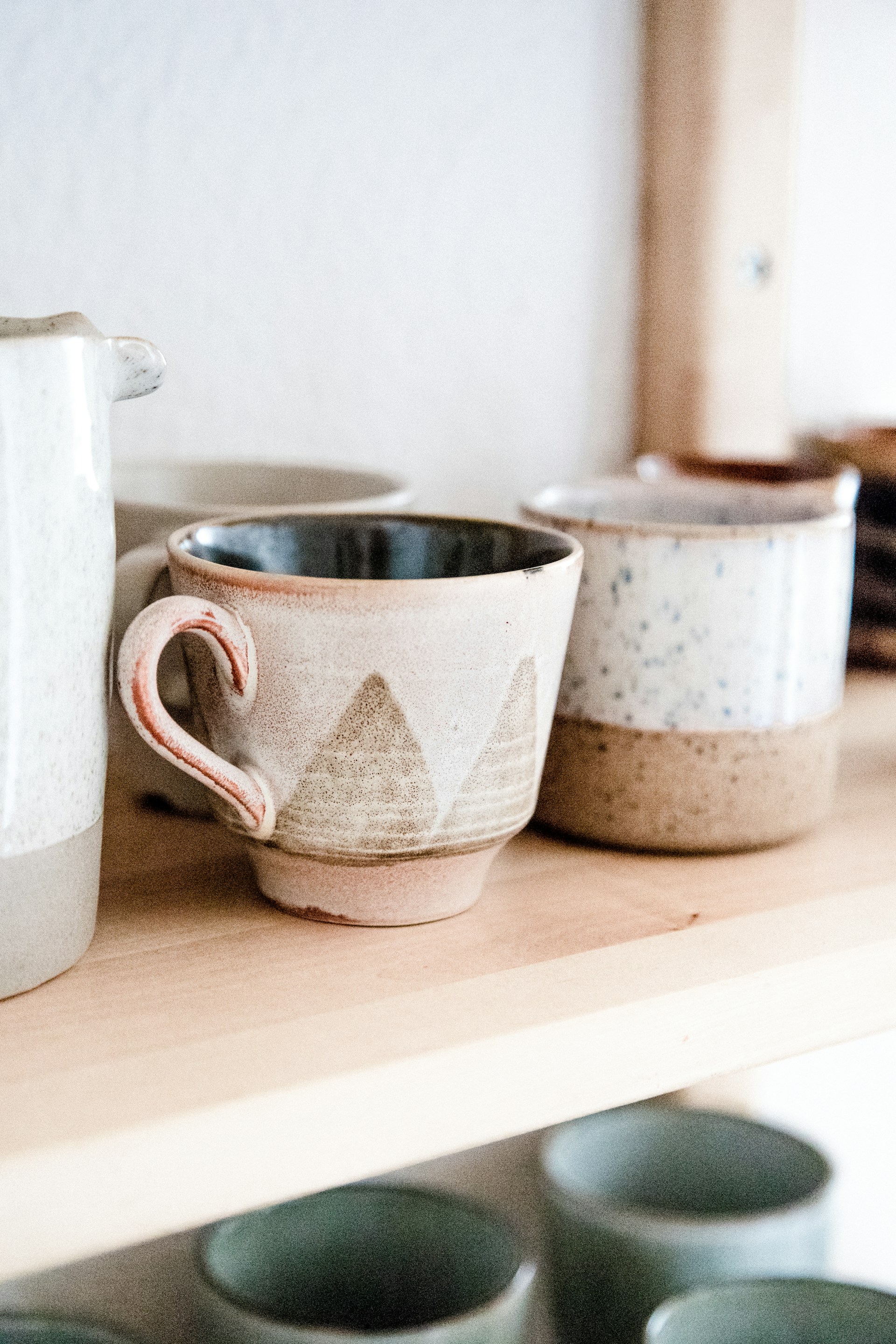
Turn over one of your ceramic coffee mugs, and you’ll likely notice a rough, unglazed ring around the bottom. While the rest of the mug has a smooth, glossy finish, this small section is usually left unglazed.
That rough ceramic surface is abrasive enough to remove tiny amounts of metal from a knife’s edge, helping restore its sharpness.
“One of the easiest ways to sharpen a knife without specialist equipment is to use the unglazed base of a ceramic coffee mug,” explains Pidgen.
How to Sharpen a Kitchen Knife With a Coffee Mug
Choose a sturdy ceramic mug with an exposed, unglazed ring around its base. Turn it upside down on a stable, non-slip surface so it doesn’t move around while you’re working.
Hold the knife at about a 15- to 20-degree angle, depending on its original edge, and carefully draw the blade across the rough ceramic surface, moving from the heel toward the tip.
Repeat several controlled strokes, alternating between both sides of a standard double-beveled blade. Avoid pressing too hard, and keep the angle consistent throughout.
Once you’re finished, wash and dry the knife thoroughly to remove any fine metal particles before using it to prepare food.
Related: 14 Gifts for People Who Would Rather Have Tea Than Coffee
Two Other Household Items That Can Help Sharpen Your Knives
A coffee mug isn’t the only everyday item that can help improve the cutting edge of a kitchen knife. According to Pidgen, fine-grit sandpaper and an old leather belt can also come in handy.
Fine-grit sandpaper works by gently removing small amounts of metal from the blade. Secure it on a flat, sturdy surface and carefully draw the knife across it at a consistent angle, alternating between both sides.
A leather belt, on the other hand, is better suited for maintaining an already sharp blade. Known as stropping, this technique involves drawing the knife spine-first across the leather to smooth out tiny imperfections along the cutting edge.
How to Tell if Your Knife Is Sharp Enough
One of the simplest ways to test your knife is to slice a ripe tomato on a cutting board. If the blade glides through the skin without crushing the tomato or requiring much pressure, you’ve likely improved its cutting edge.
You can also examine the blade under a bright light. Small reflective spots along the cutting edge may indicate areas that are still dull and need additional attention.
When a Coffee Mug Isn’t Enough
While a ceramic coffee mug can be useful for a quick touch-up, it isn’t a substitute for regular knife maintenance. A significantly dull, chipped, or damaged knife may need a proper whetstone or professional sharpening.
Pidgen also cautions that using overly rough surfaces, inconsistent angles, or excessive pressure can damage a knife and remove more metal than necessary.
But if you’re in the middle of preparing dinner and your everyday kitchen knife could use a little sharpening, the solution might already be sitting in your coffee cabinet.