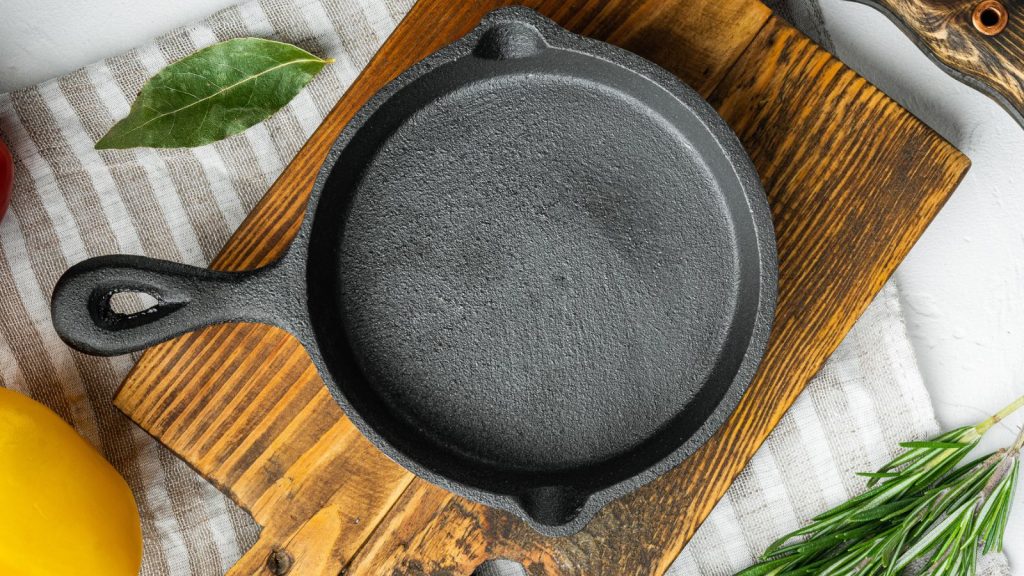
A cast iron
The good news is that caring for cast iron isn’t complicated. Most problems come from a handful of common mistakes. Here are 15 things to avoid if you want your
Soak It in Water
Leaving a cast iron
Clean the
Related: How to Remove Rust From Cast Iron Grill Pan
Store It While It’s Wet
Washing the
Wipe it down with a clean towel, then place it over low heat for a few minutes if there is still moisture on the surface. Putting a damp
Store Leftovers in the Pan
Cast iron is great for cooking, but it isn’t the best place to keep leftovers. Food sitting in the
Once your meal has cooled enough to handle, move the leftovers into a food-safe container and wash the
Related: 15 Ways To Clean a Cast Iron Skillet
Crank the Heat Too High
Cast iron gets extremely hot and holds onto that heat for a long time. Turning the burner all the way up can make it surprisingly easy to burn food or damage the seasoning.
Start with medium heat and give the
Stop Seasoning the Pan
Seasoning is what gives cast iron its protective, relatively nonstick surface. It also helps keep moisture from reaching the bare metal.
You don’t need to reseason the
Scrub It Too Aggressively
Cast iron can take a good scrub, but there is no need to attack it with every cleaning tool in the kitchen. Aggressive scrubbing can wear away seasoning that took time to build.
Warm water and a scrub brush will handle most messes. For food that’s really stuck, coarse salt can help loosen it. A little mild dish soap is also fine for a well-seasoned
Related: Never Do This to Your Cast Iron Skillet
Store It in a Damp Cabinet
Moisture is one of cast iron’s biggest enemies. A humid cabinet, basement shelf, or other poorly ventilated storage spot can create the conditions for rust.
If you stack cookware, place a paper towel or cloth between the pieces to protect the surfaces and allow some airflow. Store the
Use Knives or Forks to Scrape It
Metal utensils aren’t automatically off-limits with cast iron, but repeatedly hacking at the cooking surface with a knife or fork isn’t a great habit. Sharp edges can scratch the seasoning and make cleanup harder.
Wooden, silicone, or heat-safe nylon utensils are good everyday choices. A flat metal
Cram Too Much Food Into It
A crowded
Give your food some breathing room. If you’re cooking a large amount, work in batches. It may take a few extra minutes, but the results are usually much better.
Related: How to Season a Cast Iron Skillet the Right Way
Start With Delicate Foods in a Poorly Seasoned Pan
Eggs, flaky fish, and other delicate foods can stick badly when the
If your
Cook Acidic Foods for a Long Time
Tomatoes, citrus, vinegar, and other acidic ingredients can be hard on cast iron, especially if the
A quick tomato-based dish usually isn’t a problem, but simmering an acidic sauce in cast iron for a long time can wear down the seasoning and sometimes give the food a metallic flavor. For long-simmered tomato sauces, an enameled cast iron pot or another type of cookware is a better choice.
Pour Cold Water Into a Piping-Hot Skillet
A sudden temperature change can put unnecessary stress on cast iron. Dumping cold water into a
Let the
Put It in the Dishwasher
The dishwasher combines hot water, long exposure to moisture, and strong detergents—pretty much everything cast iron doesn’t need.
Even if your
Leave Food Burned Onto the Surface
Burned food gets harder to remove the longer it sits. Letting a
If something is badly stuck, add a little water and bring it to a gentle simmer on the stove. Let the residue loosen, then scrub the pan clean, dry it thoroughly, and apply a thin layer of oil.
Forget About the Handle
The handle is easy to overlook because it doesn’t touch the food, but it still needs some care. Grease and food residue can build up around the handle and make the
Give the handle and the area around it a quick wipe after each use. And remember that the handle gets extremely hot along with the rest of the pan, so always use a thick oven mitt or handle cover when moving it.
Other Topics You Might Like
- 10 Strange Things That Are Surprisingly Smart to Stockpile
- How to Clean a Wood Cutting Board
- 15 Safe Ways to Clean a Cast Iron Skillet Without Ruining the Seasoning
- 12 Things Professional Organizers Would Never Store Under the Kitchen Sink
- 12 Small Habits That Make a Big Difference in Keeping Your Home Clean